anker-solix
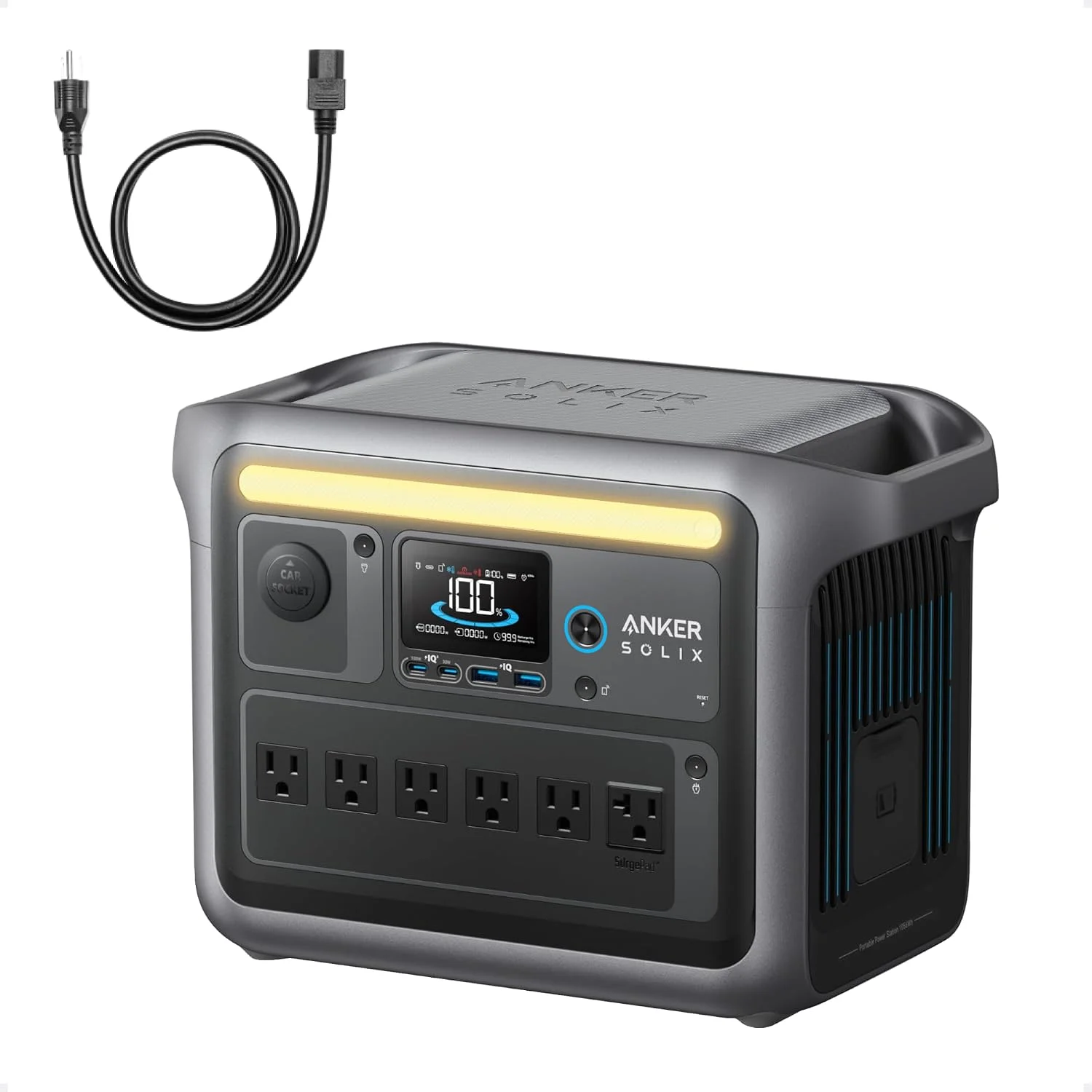
Anker SOLIX C1000
Anker trust with a 15 percent smaller 1kWh body, 80 percent charging in 43 minutes, and a 1,800W inverter. The easy first buy for home backup, camping, and the truck.
Full review →
Categories
CampingQuiet electricity for the campsite: lights, phones, a fan, and the coffee maker, without a generator's noiseHome backupWhen the grid drops, essentials stay on: fridge, router, lights in one room, phones charged, medical devicesEvents & on-siteRunning shows, shoots, food stalls, and vendor booths off the grid, with clean power and no fumesEmergency prepThe battery you want charged before the storm: communications, lighting, refrigeration, and medical devicesRV / off-gridHouse power that moves with you: 12-volt ecosystems, solar pairing, and batteries that charge from the12V & jump startThe 12-volt rescue: keeping vehicle accessories, lights, and small 12-volt systems alive when you are the onlyProducts
All power stationsCompare specsAferiyAllpowersAnker SOLIXBLUETTIEcoFlowGeyotoGoal ZeroGrowattJackeryRenogyYEAGULCHArticles
Residential vs Business Portable Power: How to Tell What You Actually NeedPortable Power for a Landscaping Company: Ditching the 200-Foot Extension CordPortable Power for a Food Truck That Wants to Plug In AnywhereRunning Job Site Power Without a GeneratorWhole Home Backup vs Appliance Backup: Pick the Right SizeHow Long Will a Power Station Run: A Practical Planning GuidePairing a Solar Panel for a Power Station: What to MatchPortable Power for Outdoor Events: Weddings and ReceptionsGuides
Portable Power for Camping: The Complete Guide to On-Site ElectricityPortable Power for Home Power Outages: A Real Backup Plan for the GridPortable Power for Events & On-Site Work: Running Shows, Shoots, and Stands Off the GridPortable Power for Emergencies: The Battery You Want Charged Before the StormPortable Power for Jump-Starting a Car & Vehicle PowerPortable Power for RV, Van Life & Off-Grid Living Compare AboutTrust
Affiliate Disclosure Privacy Policy Terms of UseWhen the grid drops, essentials stay on: fridge, router, lights in one room, phones charged, medical devices covered.

Home backup is about duration and surge handling. Stations in the 1,000 to 2,048 Wh range with strong inverters bridge a typical evening outage. UPS-style transfer speed matters if a router or server cannot reboot mid-outage.
Every pick below follows the situation above. Click through for the full review.
Anker trust with a 15 percent smaller 1kWh body, 80 percent charging in 43 minutes, and a 1,800W inverter. The easy first buy for home backup, camping, and the truck.
Full review →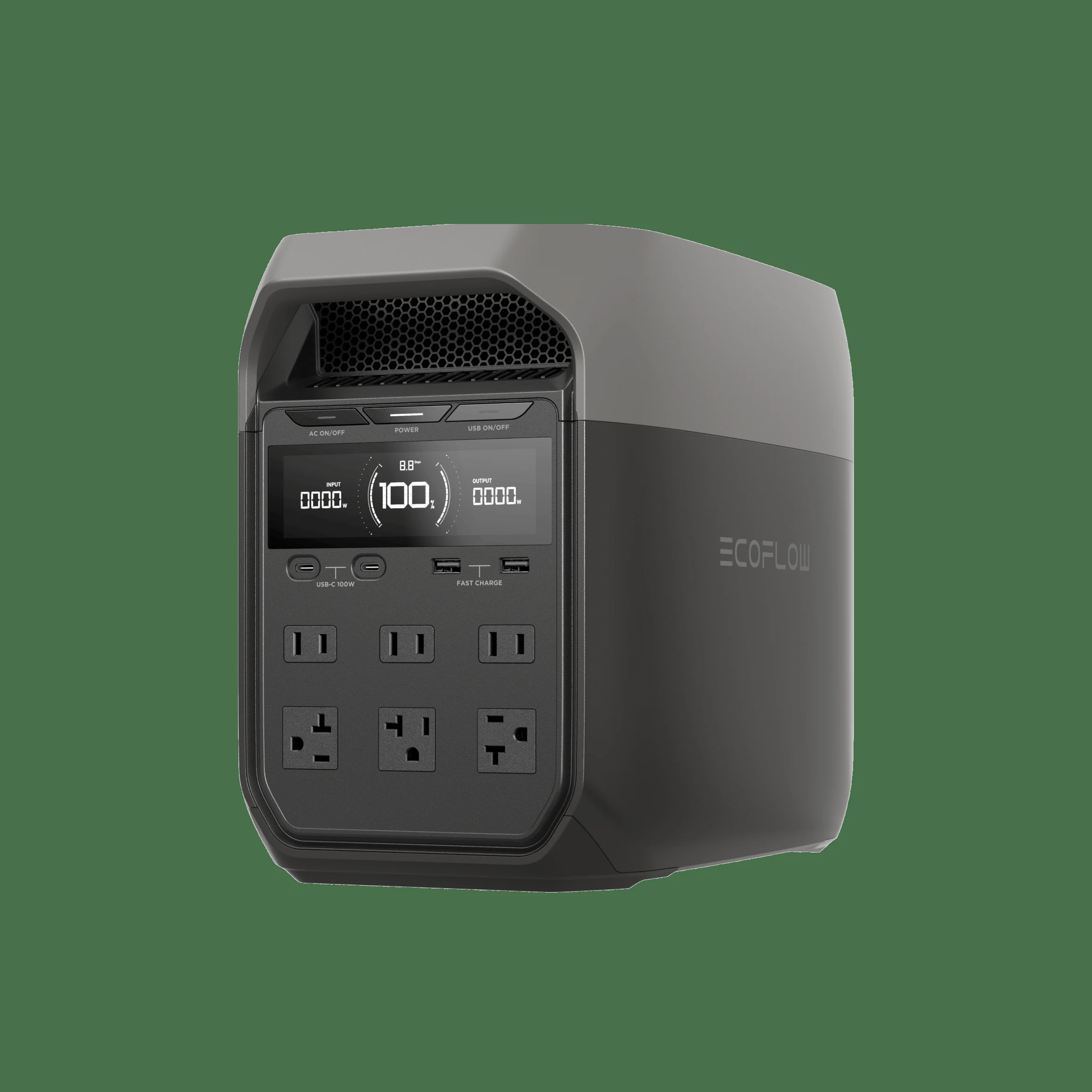
Budget home backup with 1,024Wh, 1,800W output, 50 minute charging, and a path to 3,072Wh. It covers a fridge, router, and lights through a typical outage, then grows later.
Full review →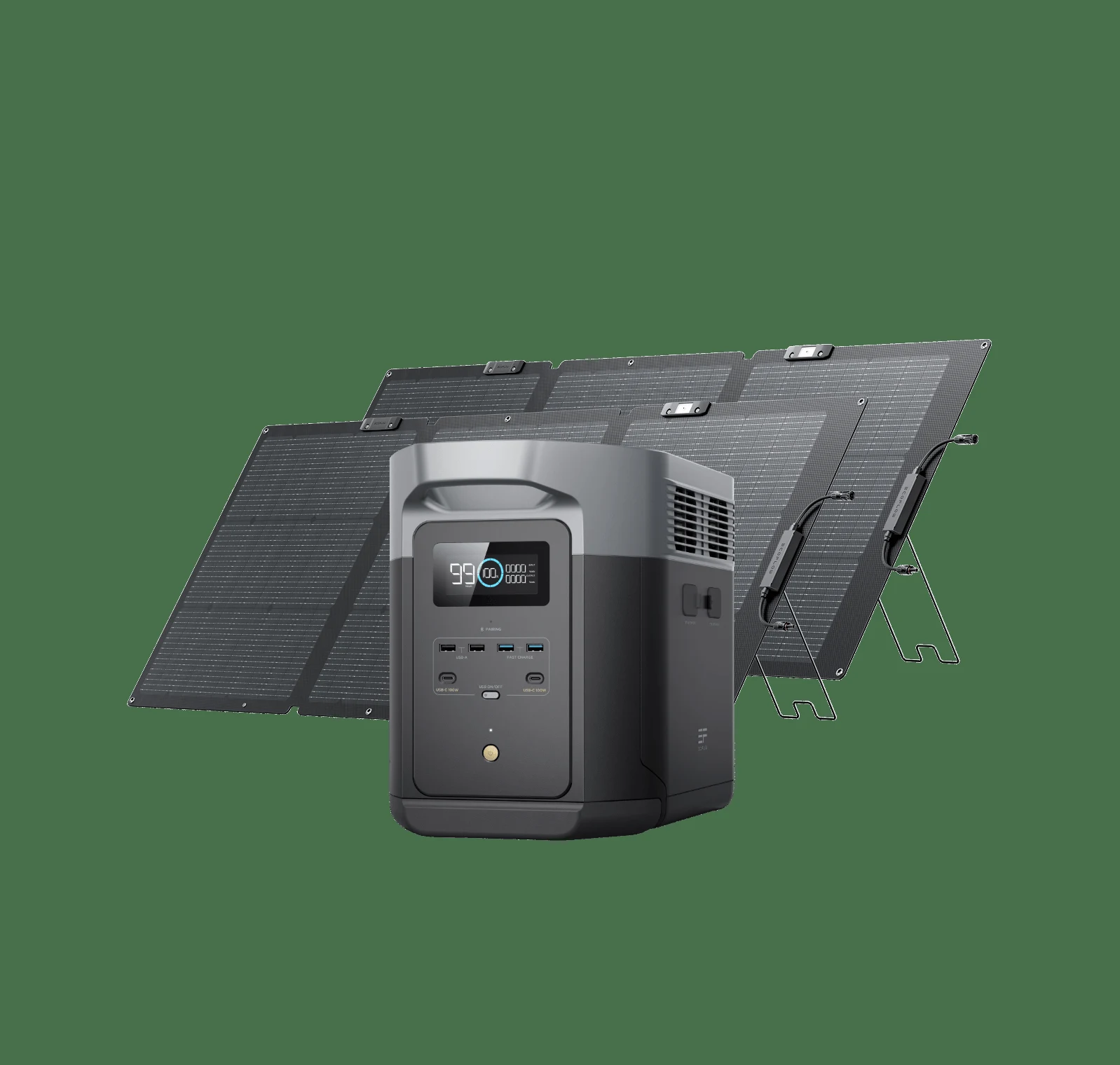
2,048Wh with 2,400W output, 1,000W solar input, and 80 percent charging in 43 minutes. Built for multi day storms, power tools, and full vehicle RV power.
Full review →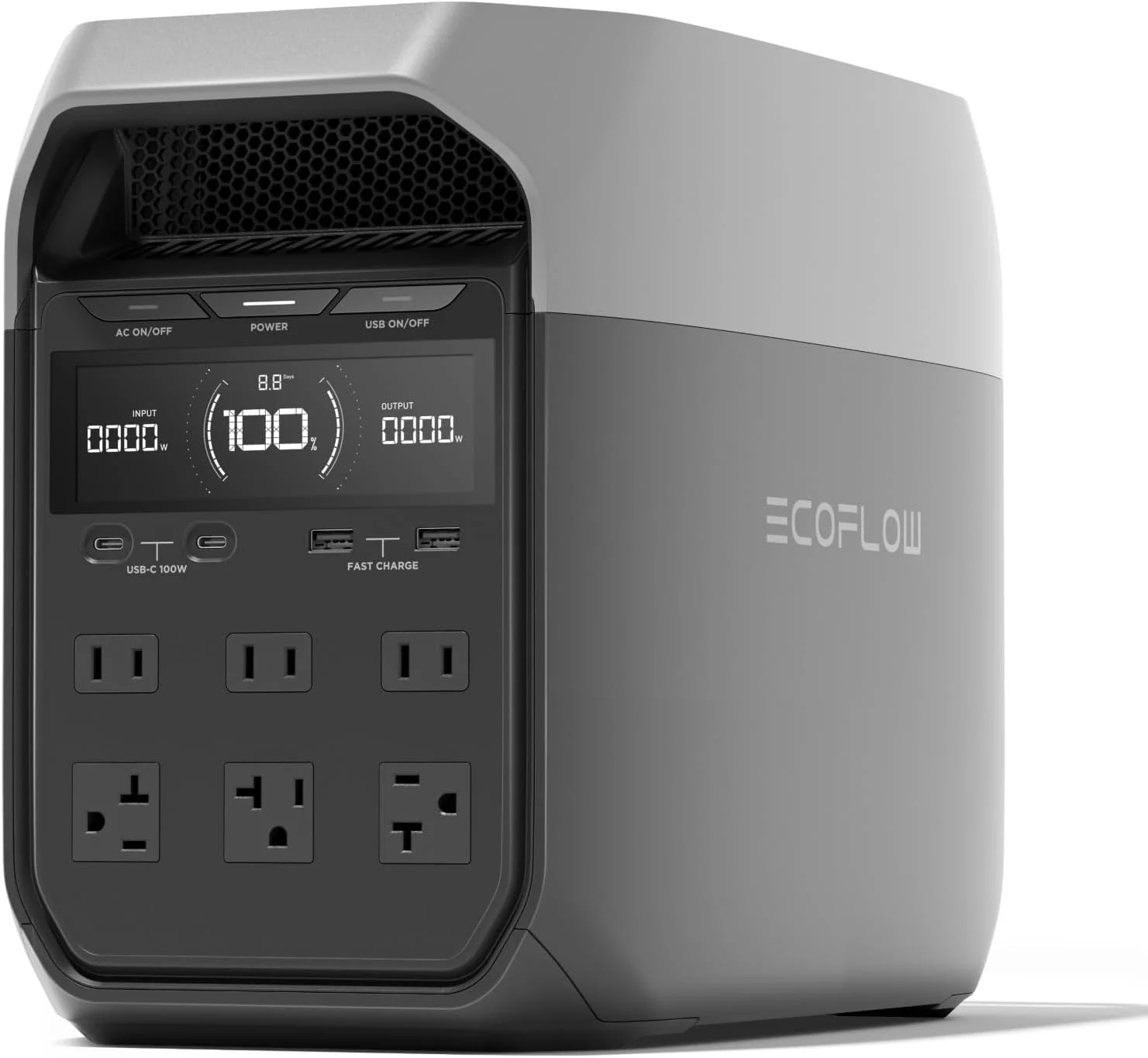
The fastest 1kWh charge in the line, a 4,000 cycle battery in an IP65 pack, and 27.6 pounds of one hand carry. It refills before the next outage and grows to 5,000Wh later.
Full review →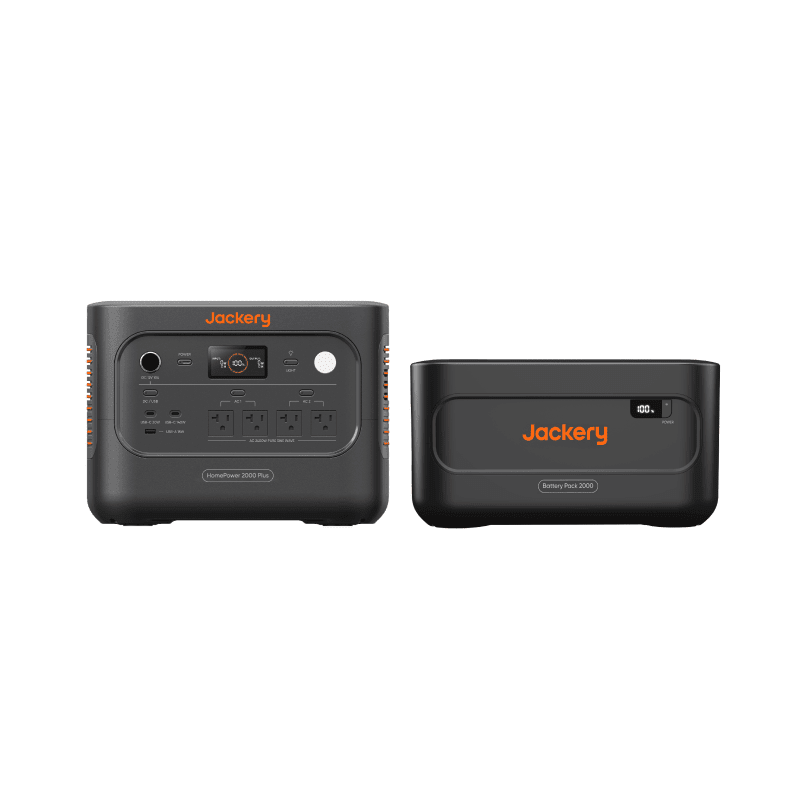
2,048Wh with 6,000 plus cycle cells, smart essential circuit routing, and 40.6 pounds of moveable weight. Long duration backup that behaves like a small utility, not a battery with outlets.
Full review →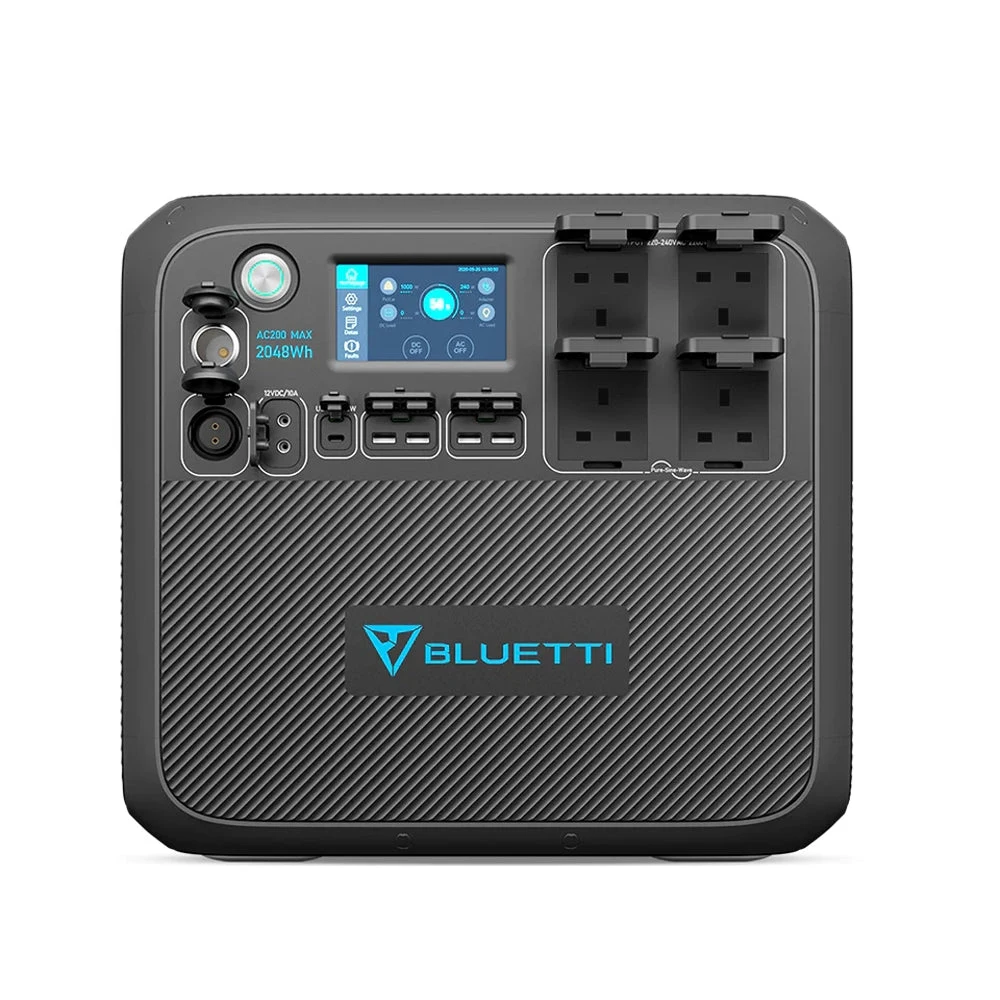
Solar first backup with 900W input, 4,800W surge, and a path to 8,192Wh with three add on batteries. Built for multi day outages, RV shore power, and off grid cabins.
Full review →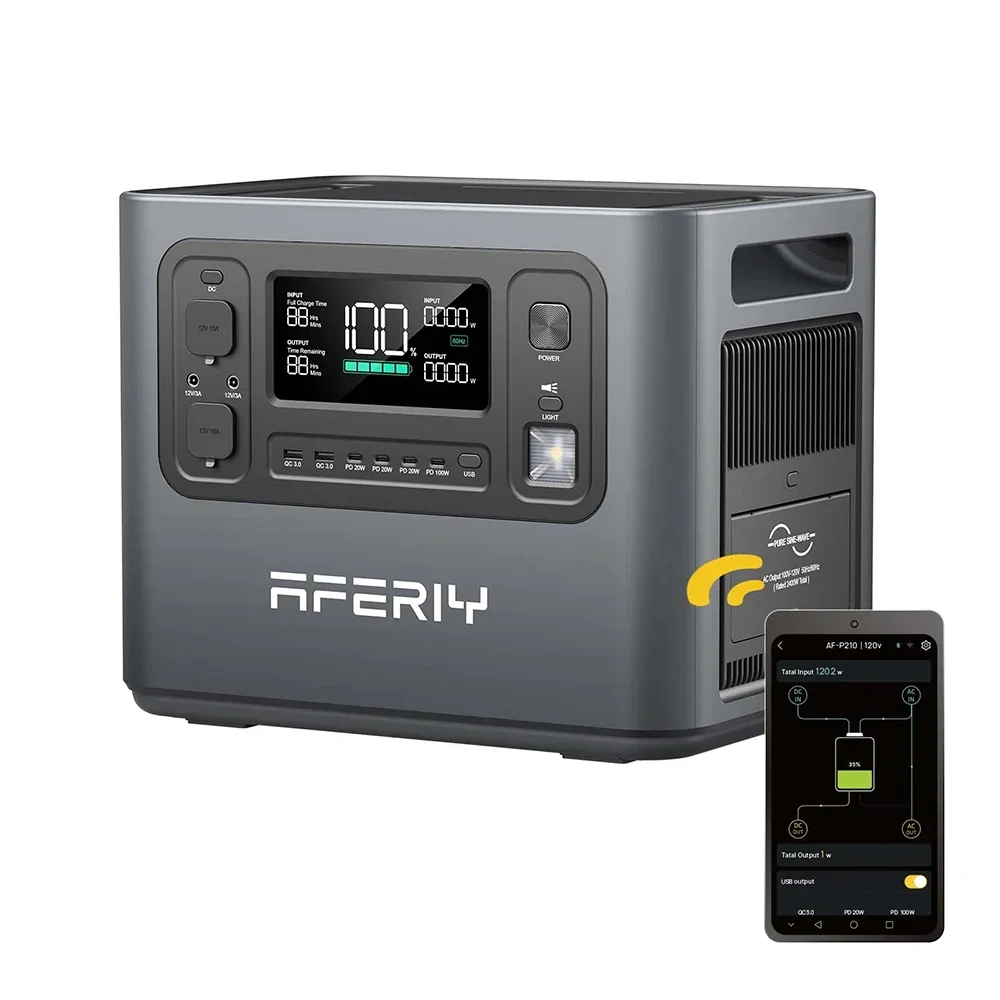
A 2kWh campsite station that doubles as your home UPS, with 4,800W of surge headroom, 16 ports, and a 7 year warranty. It keeps the site running on weekends and the house covered when the grid fails.
Full review →The Anker SOLIX F2000, also sold as the PowerHouse 767, is the station to consider when you want 2kWh of backup from a brand whose charging bricks already live in your drawer. It stores 2,048Wh of lithium iron phosphate energy behind a 2,400W inverter with 3,600W of surge, enough to carry a refrigerator, a television, a router, and lighting together while compressor starts stay inside the limit. Anker rates the pack for a ten year design lifespan under its InfiniPower cells, which frames the purchase as a decade of readiness rather than a short cycle gadget. Refilling is straightforward and quick. A wall charge reaches 80 percent in about an hour, and solar input up to 500W keeps the battery climbing during a long outage when mains power is gone. That solar ceiling matters for storm duty, because it lets daylight do the work of keeping essential loads alive after the first evening. The Anker app reports state of charge, output, and battery health to your phone, so you can judge how much runtime remains without walking to the unit in the dark. The outlet layout covers household and travel use in one panel. You get four AC outlets, three USB-C ports with one socket delivering 100W of power delivery for a laptop, two USB-A ports, two 12V vehicle outlets, and a dedicated RV port. At 44.5 pounds and about twenty inches long, this is really a garage or basement appliance that stays in place, and buyers should plan a fixed parking spot with airflow rather than a backpack habit. There is no port for an external expansion battery, so a household that expects to grow past 2,048Wh should look further up the SOLIX range. It suits mainstream buyers who prize quiet, consistent build quality, simple controls, and brand trust over long term expandability.
Stored energy in the home-backup lineup
All power stations · Compare · Articles · Guides · Home