
anker-solix
Anker SOLIX F2000 (PowerHouse 767)
Anker 2kWh backup with a decade rated battery, four AC outlets, three USB-C ports, and a dedicated RV outlet. Familiar, quiet, and built to sit ready for a decade.
Full review →
Categories
CampingQuiet electricity for the campsite: lights, phones, a fan, and the coffee maker, without a generator's noiseHome backupWhen the grid drops, essentials stay on: fridge, router, lights in one room, phones charged, medical devicesEvents & on-siteRunning shows, shoots, food stalls, and vendor booths off the grid, with clean power and no fumesEmergency prepThe battery you want charged before the storm: communications, lighting, refrigeration, and medical devicesRV / off-gridHouse power that moves with you: 12-volt ecosystems, solar pairing, and batteries that charge from the12V & jump startThe 12-volt rescue: keeping vehicle accessories, lights, and small 12-volt systems alive when you are the onlyProducts
All power stationsCompare specsAferiyAllpowersAnker SOLIXBLUETTIEcoFlowGeyotoGoal ZeroGrowattJackeryRenogyYEAGULCHArticles
Residential vs Business Portable Power: How to Tell What You Actually NeedPortable Power for a Landscaping Company: Ditching the 200-Foot Extension CordPortable Power for a Food Truck That Wants to Plug In AnywhereRunning Job Site Power Without a GeneratorWhole Home Backup vs Appliance Backup: Pick the Right SizeHow Long Will a Power Station Run: A Practical Planning GuidePairing a Solar Panel for a Power Station: What to MatchPortable Power for Outdoor Events: Weddings and ReceptionsGuides
Portable Power for Camping: The Complete Guide to On-Site ElectricityPortable Power for Home Power Outages: A Real Backup Plan for the GridPortable Power for Events & On-Site Work: Running Shows, Shoots, and Stands Off the GridPortable Power for Emergencies: The Battery You Want Charged Before the StormPortable Power for Jump-Starting a Car & Vehicle PowerPortable Power for RV, Van Life & Off-Grid Living Compare AboutTrust
Affiliate Disclosure Privacy Policy Terms of UseWhole home backup vs appliance backup is really a question of how much backup power you need after you stop guessing. Whole-home means bringing back the entire panel, which pulls a lot of watts at once and demands a transfer switch plus a l
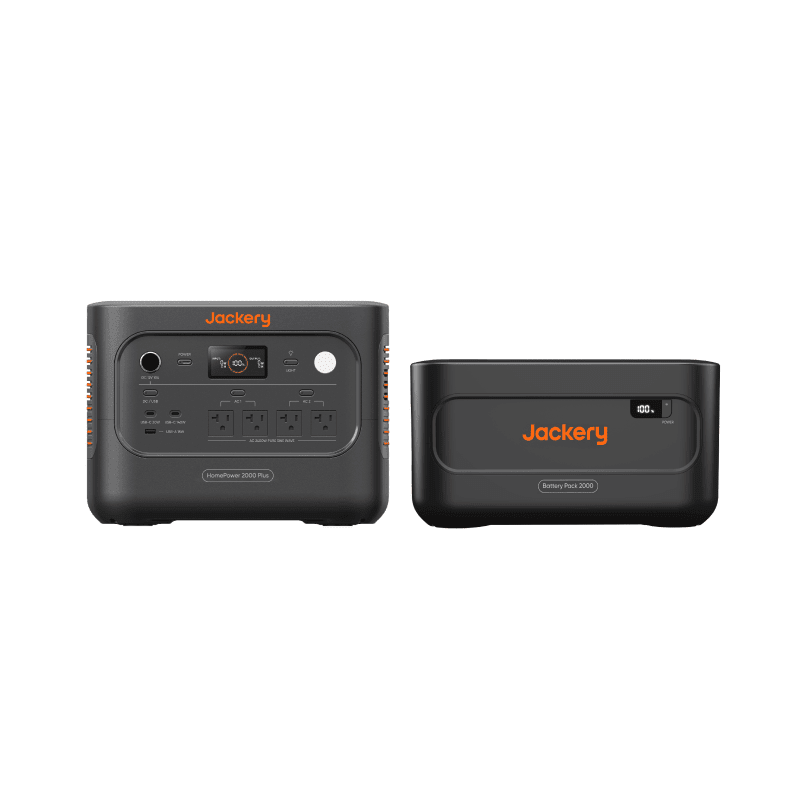
Whole home backup vs appliance backup is really a question of how much backup power you need after you stop guessing. Whole-home means bringing back the entire panel, which pulls a lot of watts at once and demands a transfer switch plus a large, often modular, system. Appliance backup is smaller and more honest for most homes: pick the handful of loads that matter and a portable station is built for exactly that.
The appliance list is where the decision becomes concrete. A modern refrigerator runs around 100 to 200 watts with a brief compressor inrush, a router a few more, a medical device a small steady draw, and a handful of lights the rest. Add them up and a typical critical list lands in the 600 to 1,500 watt-hour range per day, which fits a 1,000-watt-hour station for a full day and night with the fridge going the whole time.
Where whole-home genuinely wins is a home with many high draws at once, an electric range, central air, and multiple heat loads; no portable unit carries that, and pretending it does is how a backup fails on the worst night. If that is your real scenario, the honest path is a larger modular system or a dedicated generator with a transfer switch. For the everyday household, appliance backup is the right size: a station with 1,800 watts of output, a 3,600-watt surge, and fast wall recharging clears the fridge, the router, the lights, and a sump pump comfortably.
The split comes down to scope: whole home backup vs appliance backup is not a quality difference, it is a size one. Pick appliance backup if your list is the essentials, and the EcoFlow Delta 3 page in this category lists a 1,024Wh, 1,800-watt unit sized for it.
Anker 2kWh backup with a decade rated battery, four AC outlets, three USB-C ports, and a dedicated RV outlet. Familiar, quiet, and built to sit ready for a decade.
Full review →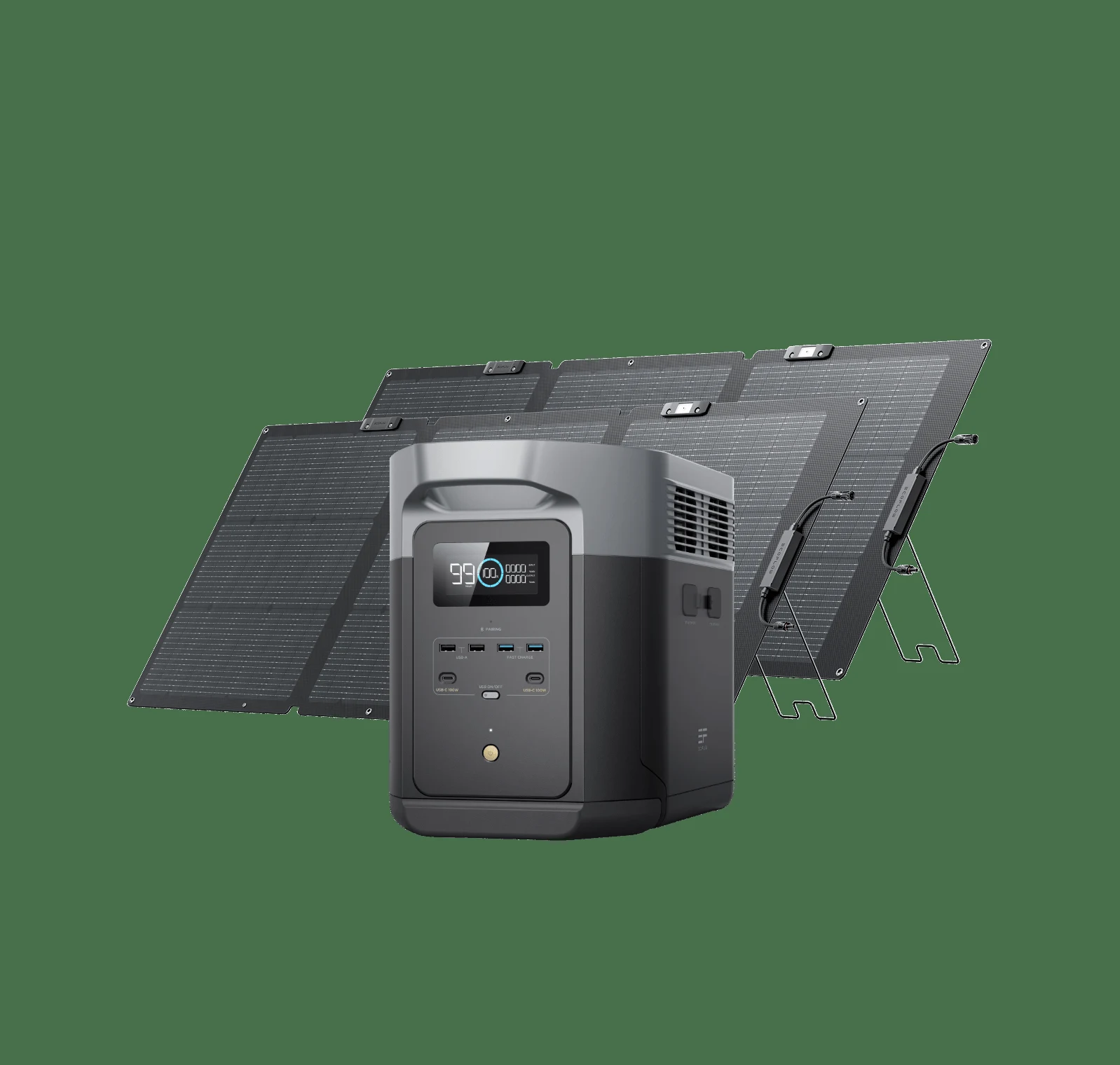
2,048Wh with 2,400W output, 1,000W solar input, and 80 percent charging in 43 minutes. Built for multi day storms, power tools, and full vehicle RV power.
Full review →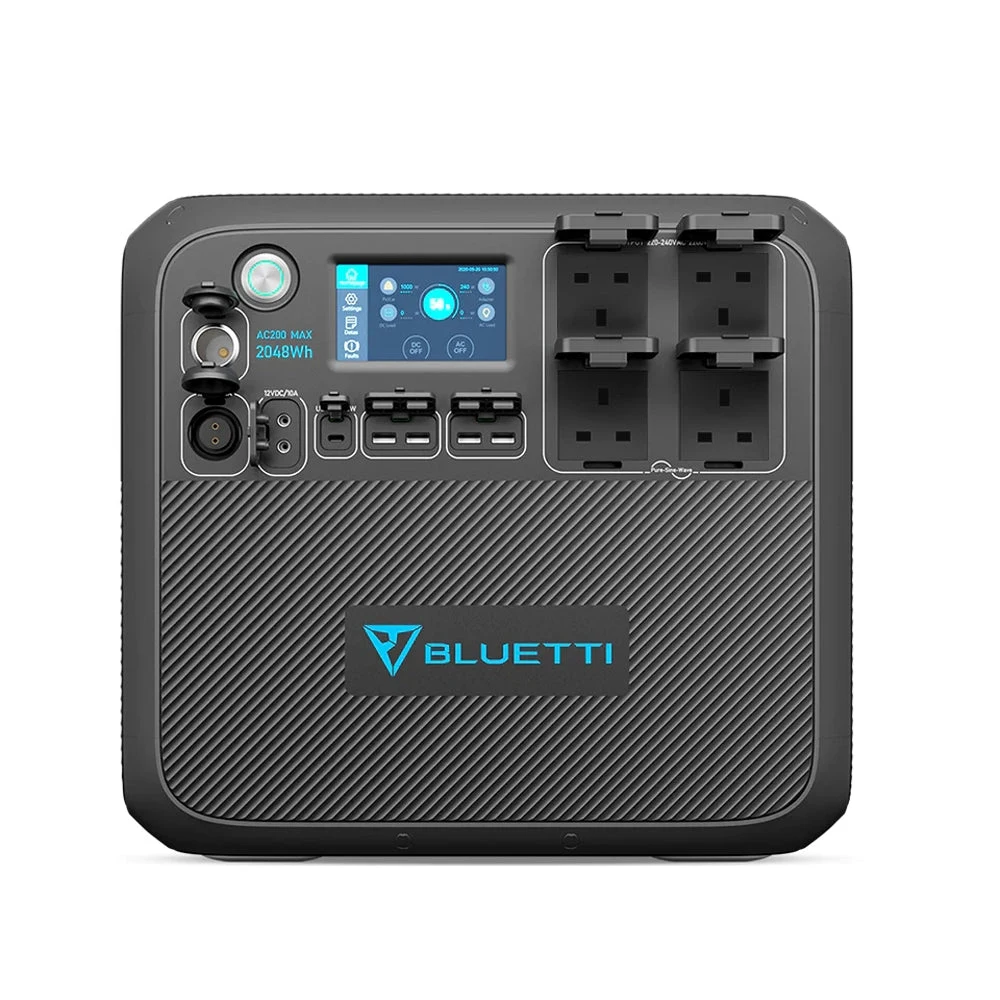
Solar first backup with 900W input, 4,800W surge, and a path to 8,192Wh with three add on batteries. Built for multi day outages, RV shore power, and off grid cabins.
Full review →