
anker-solix
Anker SOLIX F2000 (PowerHouse 767)
Anker 2kWh backup with a decade rated battery, four AC outlets, three USB-C ports, and a dedicated RV outlet. Familiar, quiet, and built to sit ready for a decade.
Full review →
Categories
CampingQuiet electricity for the campsite: lights, phones, a fan, and the coffee maker, without a generator's noiseHome backupWhen the grid drops, essentials stay on: fridge, router, lights in one room, phones charged, medical devicesEvents & on-siteRunning shows, shoots, food stalls, and vendor booths off the grid, with clean power and no fumesEmergency prepThe battery you want charged before the storm: communications, lighting, refrigeration, and medical devicesRV / off-gridHouse power that moves with you: 12-volt ecosystems, solar pairing, and batteries that charge from the12V & jump startThe 12-volt rescue: keeping vehicle accessories, lights, and small 12-volt systems alive when you are the onlyProducts
All power stationsCompare specsAferiyAllpowersAnker SOLIXBLUETTIEcoFlowGeyotoGoal ZeroGrowattJackeryRenogyYEAGULCHArticles
Residential vs Business Portable Power: How to Tell What You Actually NeedPortable Power for a Landscaping Company: Ditching the 200-Foot Extension CordPortable Power for a Food Truck That Wants to Plug In AnywhereRunning Job Site Power Without a GeneratorWhole Home Backup vs Appliance Backup: Pick the Right SizeHow Long Will a Power Station Run: A Practical Planning GuidePairing a Solar Panel for a Power Station: What to MatchPortable Power for Outdoor Events: Weddings and ReceptionsGuides
Portable Power for Camping: The Complete Guide to On-Site ElectricityPortable Power for Home Power Outages: A Real Backup Plan for the GridPortable Power for Events & On-Site Work: Running Shows, Shoots, and Stands Off the GridPortable Power for Emergencies: The Battery You Want Charged Before the StormPortable Power for Jump-Starting a Car & Vehicle PowerPortable Power for RV, Van Life & Off-Grid Living Compare AboutTrust
Affiliate Disclosure Privacy Policy Terms of UseHow long will a power station run is the question behind every honest backup plan, and the answer is one calculation rather than a guess. A station stores a number of watt-hours, but the inverter only hands back about 85 to 90 percent of th
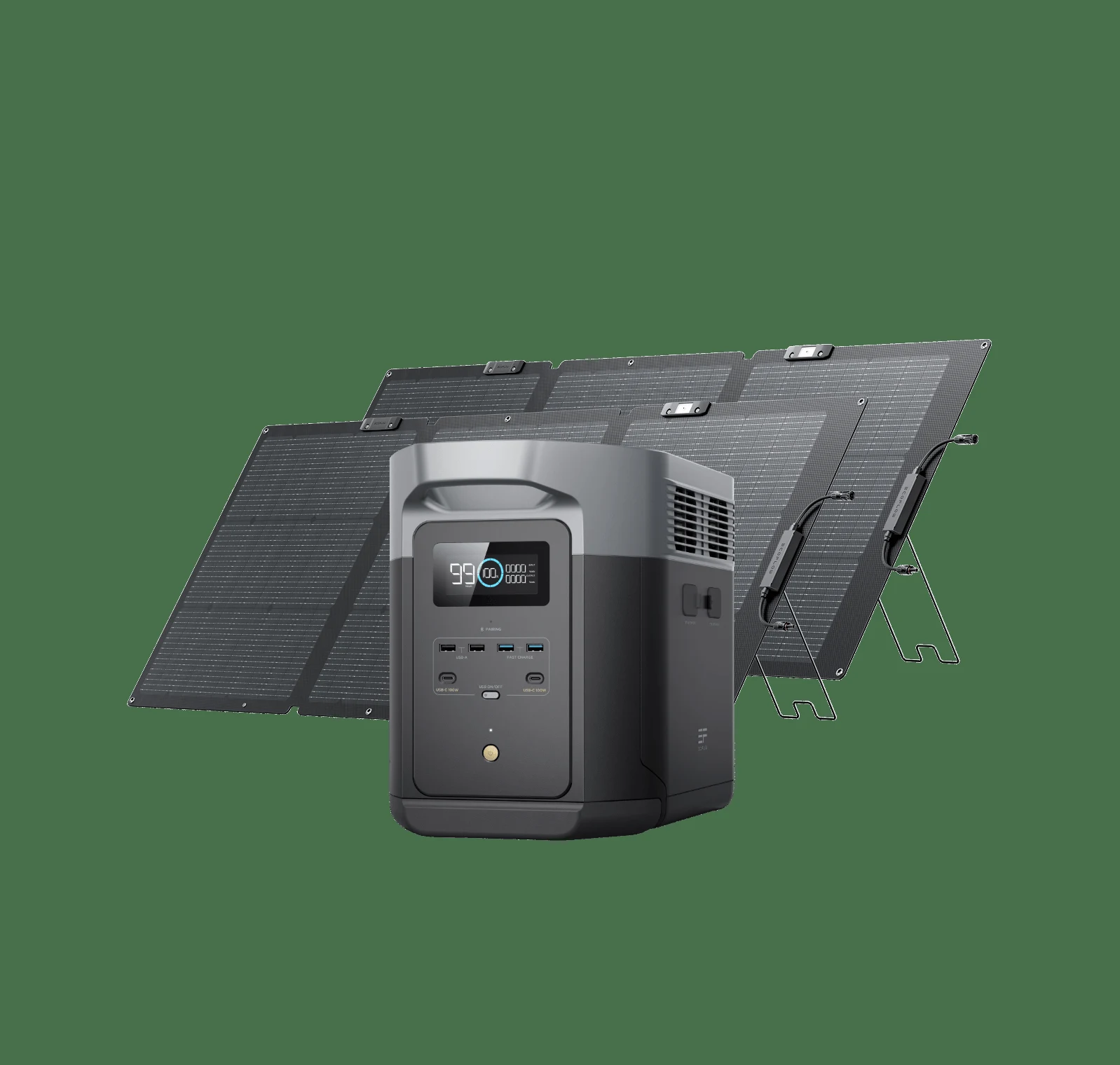
How long will a power station run is the question behind every honest backup plan, and the answer is one calculation rather than a guess. A station stores a number of watt-hours, but the inverter only hands back about 85 to 90 percent of that, so the usable energy is a little less than the label. Divide the usable watts by what your devices actually draw and you have the runtime in hours.
That one rule explains most of the surprises. A 2,000-watt-hour station running a 100-watt load delivers roughly 17 hours, because 2,000 times 0.85 gives about 1,700 usable watt-hours. The same station at 500 watts lasts about 3.4 hours, and at 1,000 watts closer to 1.7. The load does all the work in that number, which is why the same battery feels generous for a router and a light and tight for a space heater.
The trick is to budget each appliance separately, not as one blob. A refrigerator cycling on and off draws its daily average, so it counts low. A heater, a microwave, or a sump pump cycling hard draws high for longer. Runtime planning for appliances means writing each wattage, multiplying by the hours it actually runs, and summing them, which gives the daily figure to compare against capacity. Where the approach breaks down is continuous full-load demand like a central air compressor or a large heater all night; a portable battery is not sized for that, and a generator or a larger modular system is the honest answer.
So the answer to how long will a power station run is the watt-hours you have, minus inverter loss, divided by the watts you are pulling. The Bluetti AC200MAX page in this category breaks down a 2,048Wh, 2,200-watt station to test this against.
Anker 2kWh backup with a decade rated battery, four AC outlets, three USB-C ports, and a dedicated RV outlet. Familiar, quiet, and built to sit ready for a decade.
Full review →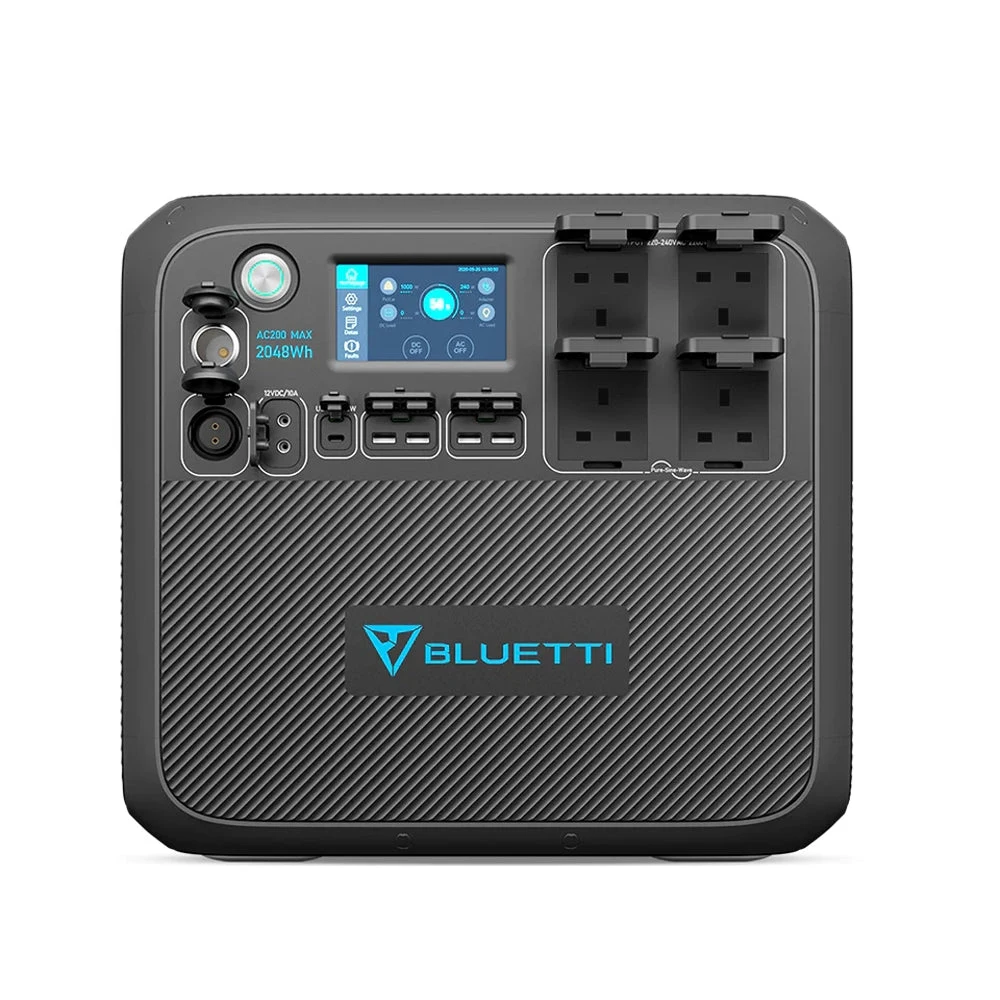
Solar first backup with 900W input, 4,800W surge, and a path to 8,192Wh with three add on batteries. Built for multi day outages, RV shore power, and off grid cabins.
Full review →