geyoto
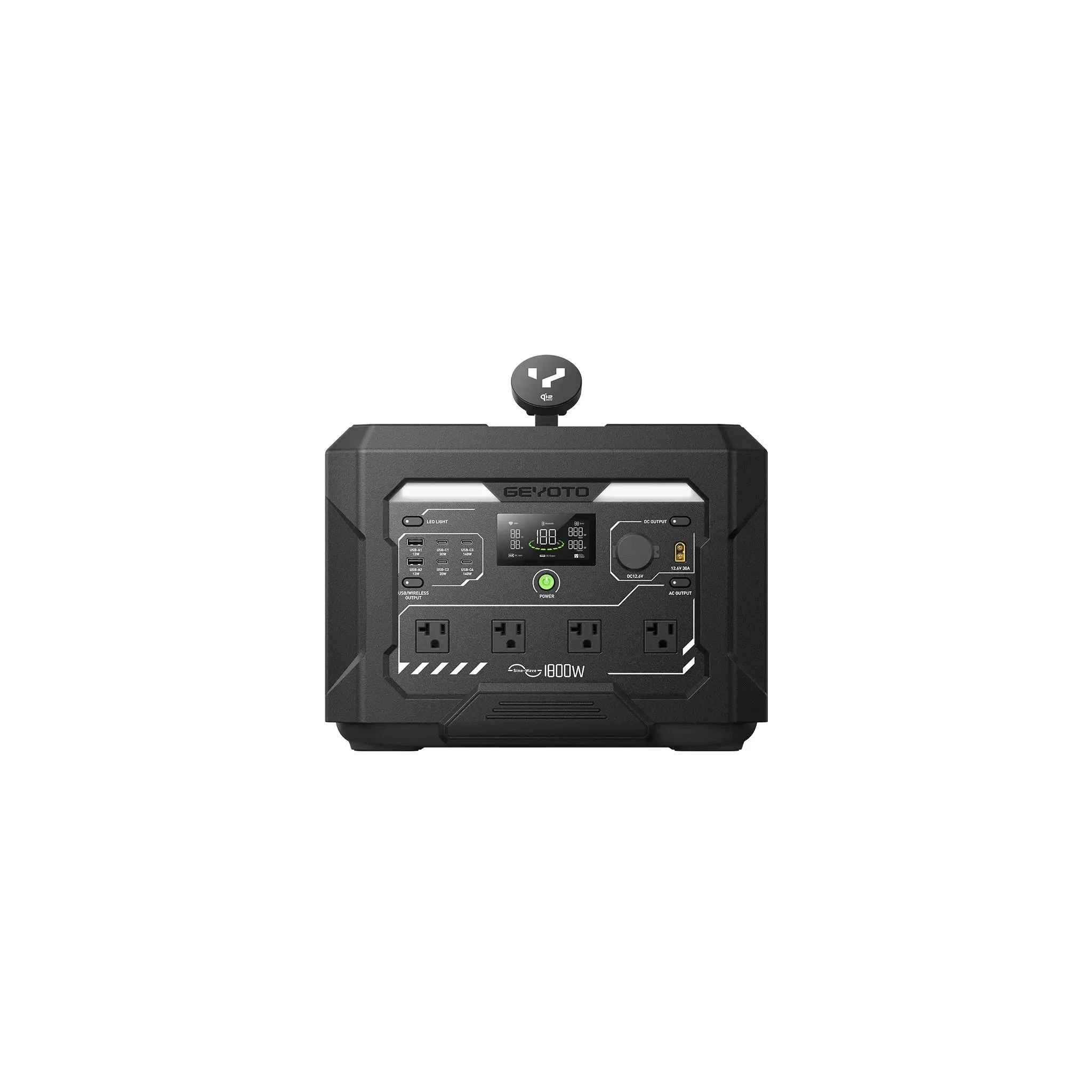
GEYOTO N1000
1,024Wh with a 1,800W inverter, 140W USB-C ports, a jump starter output, and wireless charging pads, all in 25.6 pounds. A full day of serious output without climbing into 2kWh territory.
Full review →
Categories
CampingQuiet electricity for the campsite: lights, phones, a fan, and the coffee maker, without a generator's noiseHome backupWhen the grid drops, essentials stay on: fridge, router, lights in one room, phones charged, medical devicesEvents & on-siteRunning shows, shoots, food stalls, and vendor booths off the grid, with clean power and no fumesEmergency prepThe battery you want charged before the storm: communications, lighting, refrigeration, and medical devicesRV / off-gridHouse power that moves with you: 12-volt ecosystems, solar pairing, and batteries that charge from the12V & jump startThe 12-volt rescue: keeping vehicle accessories, lights, and small 12-volt systems alive when you are the onlyProducts
All power stationsCompare specsAferiyAllpowersAnker SOLIXBLUETTIEcoFlowGeyotoGoal ZeroGrowattJackeryRenogyYEAGULCHArticles
Residential vs Business Portable Power: How to Tell What You Actually NeedPortable Power for a Landscaping Company: Ditching the 200-Foot Extension CordPortable Power for a Food Truck That Wants to Plug In AnywhereRunning Job Site Power Without a GeneratorWhole Home Backup vs Appliance Backup: Pick the Right SizeHow Long Will a Power Station Run: A Practical Planning GuidePairing a Solar Panel for a Power Station: What to MatchPortable Power for Outdoor Events: Weddings and ReceptionsGuides
Portable Power for Camping: The Complete Guide to On-Site ElectricityPortable Power for Home Power Outages: A Real Backup Plan for the GridPortable Power for Events & On-Site Work: Running Shows, Shoots, and Stands Off the GridPortable Power for Emergencies: The Battery You Want Charged Before the StormPortable Power for Jump-Starting a Car & Vehicle PowerPortable Power for RV, Van Life & Off-Grid Living Compare AboutTrust
Affiliate Disclosure Privacy Policy Terms of UseEverything we have reviewed from Geyoto. Each one links to its full review, specs, and current offer.
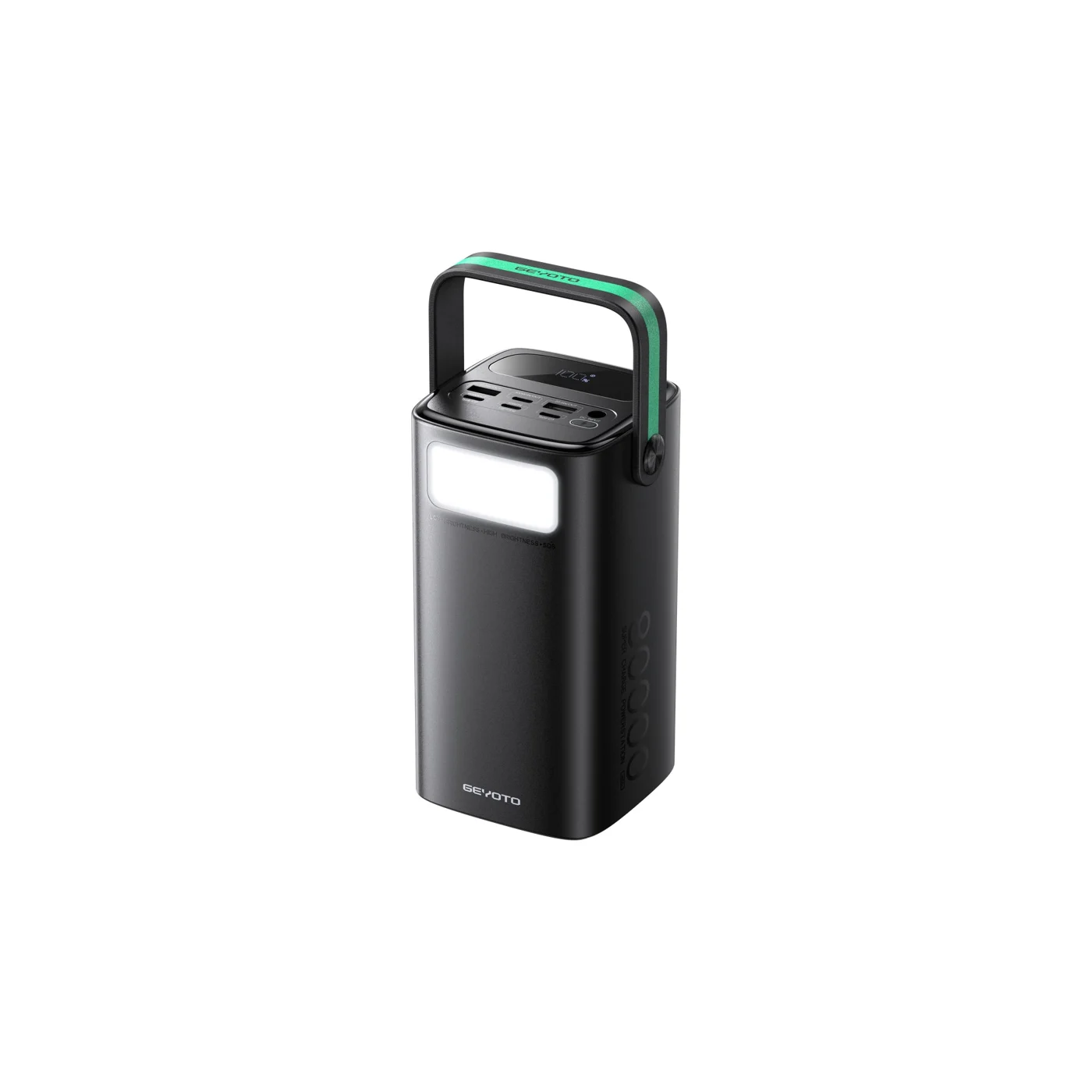
GEYOTO makes portable power products for camping, travel and home backup, with a focus on value and easy carrying. The brand sells lithium power stations in several sizes, folding solar panels, cables and small charging accessories. Its stations are designed to be lighter than many rivals in the same capacity class, which matters when the power station has to move from a car to a campsite or from the garage to the kitchen during an outage.
The range steps down in clear sizes. The N1000 is the main 1024Wh station for home backup, camping and overlanding, with strong output for household essentials and small appliances. The N300 is a lighter 256Wh model for shorter camping trips and small home backup needs. The C260 is a compact DC only unit for charging laptops, phones, cameras and drones, built to fit in a backpack or carry on. Solar panels in the GEYOTO line include 200W, 100W and smaller folding models that pair with the stations for recharging at camp, with higher efficiency cells and weather resistant construction for outdoor use.
GEYOTO suits campers and overlanders who want to carry their power easily, households that need an affordable first backup station, and travelers who want a small power bank for electronics. The N1000 is the model we feature most widely in this guide. It stores 1024Wh, delivers 1800W of output with 3000W of surge, and weighs less than many stations in its class. Features include fast switchover for home backup, wireless charging, jump start capability on selected setups and a battery chemistry with long cycle life. For a fridge, router and lights, it can cover an overnight outage, and at camp it can run a cooler, lights and several mobile devices. The N300 and C260 serve the same users at smaller sizes when the load is lighter and weight matters more.
If you want portable power that is easy to carry and fairly priced, GEYOTO offers a practical ladder from a pocket sized charger to a full home backup station. Match the size to the devices you actually use and add a folding solar panel for longer trips.
1,024Wh with a 1,800W inverter, 140W USB-C ports, a jump starter output, and wireless charging pads, all in 25.6 pounds. A full day of serious output without climbing into 2kWh territory.
Full review →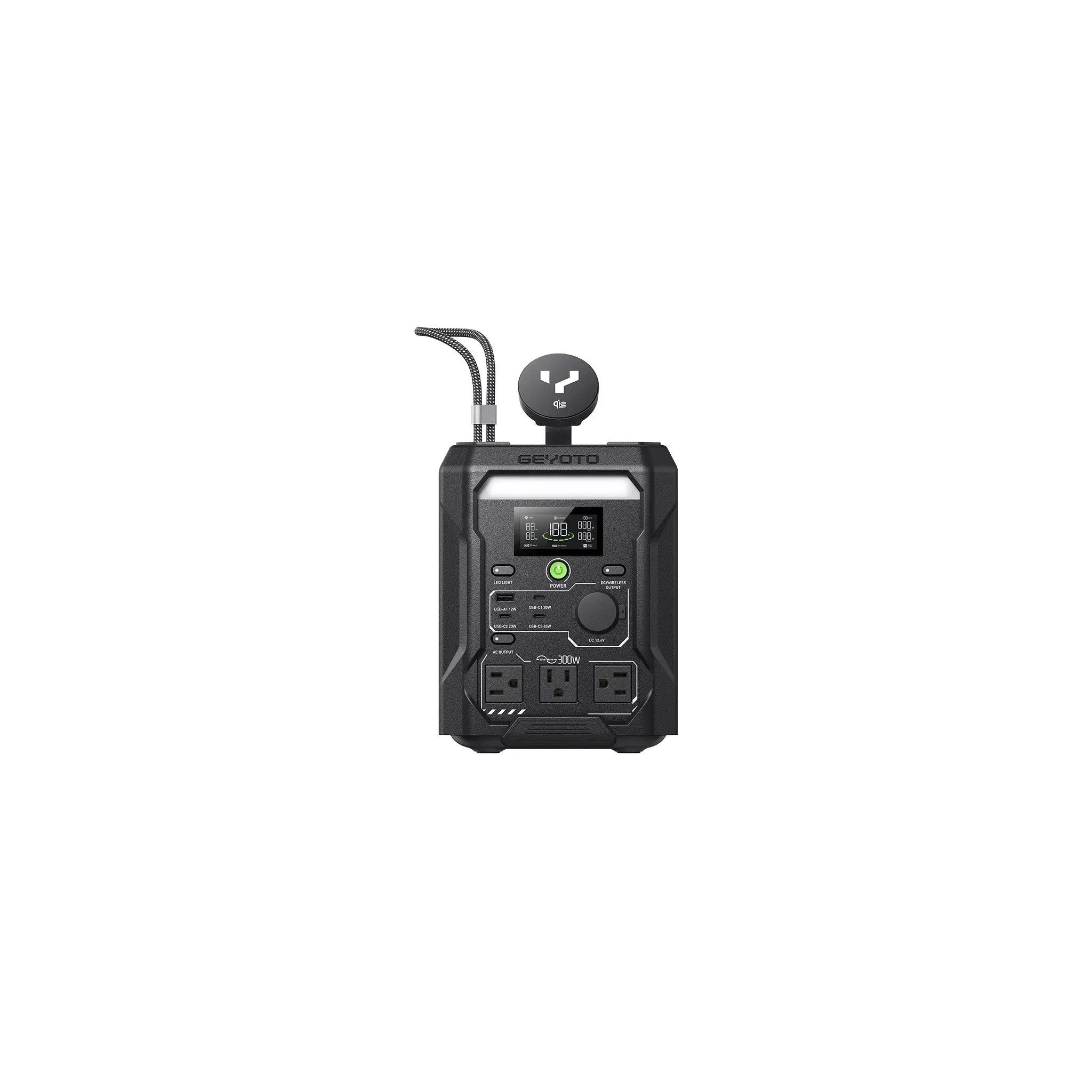
256Wh in 7.72 pounds with nine ports, a 300W inverter, and a wireless charging pad. A one bag travel station for laptops, phones, cameras, and a router through the night.
Full review →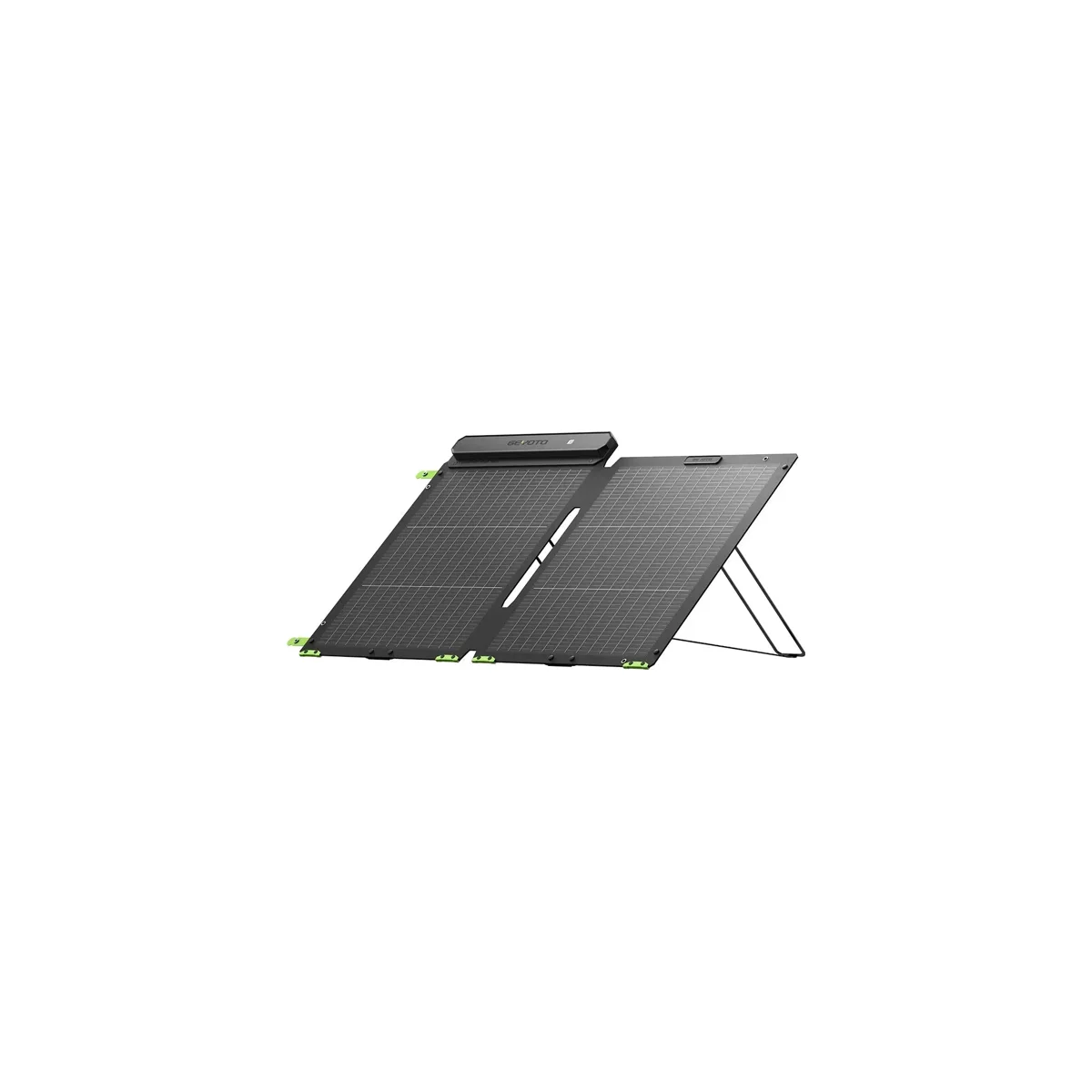
100W of bifacial solar in 8.38 pounds, folding to laptop bag size. It holds a 1,000Wh station through a campsite day and tops a 256Wh battery in a short window of sun.
Full review →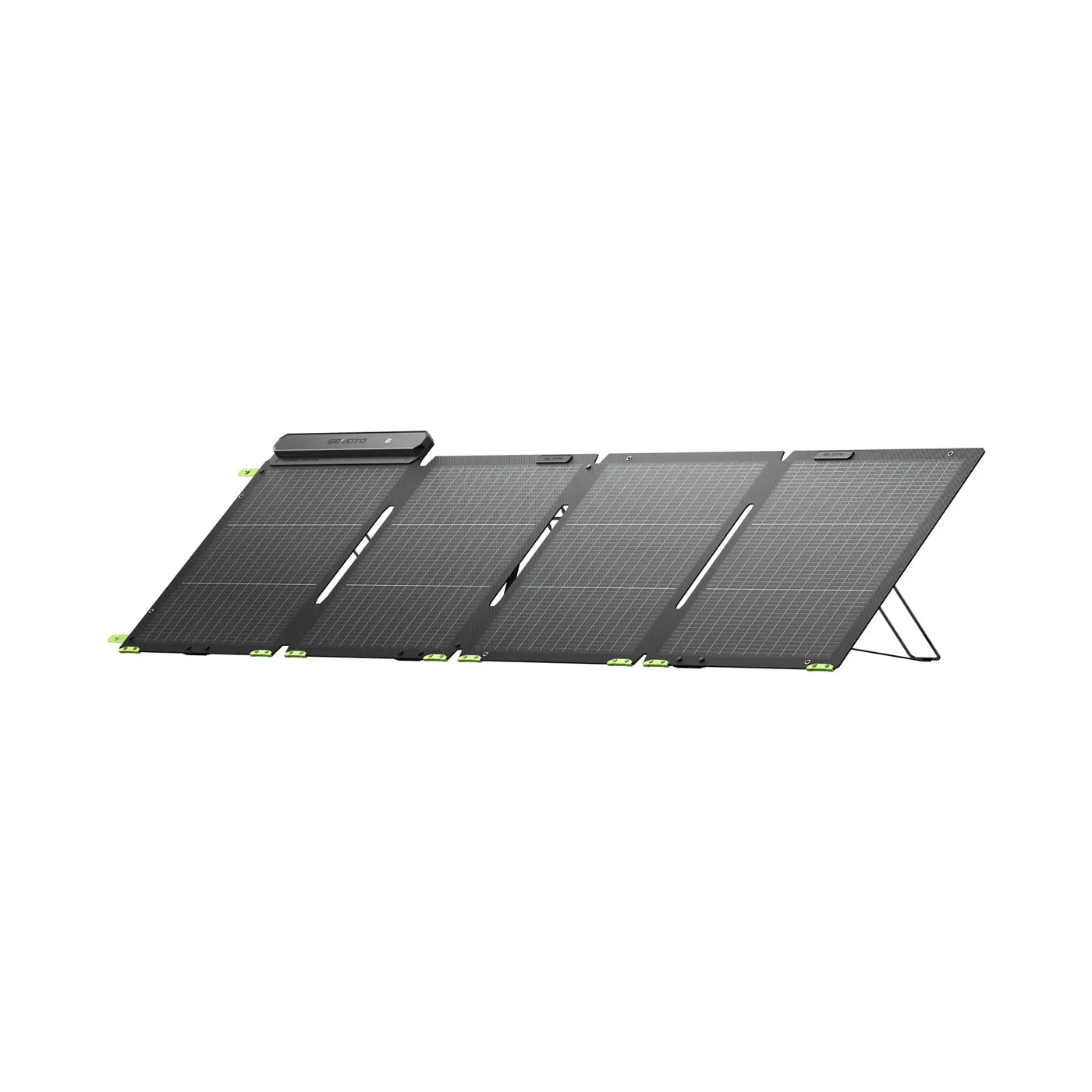
200W of bifacial solar that refills a 1,000Wh station in a single afternoon of strong sun. About 15 pounds, foldable, and built for RV arrays and work sites.
Full review →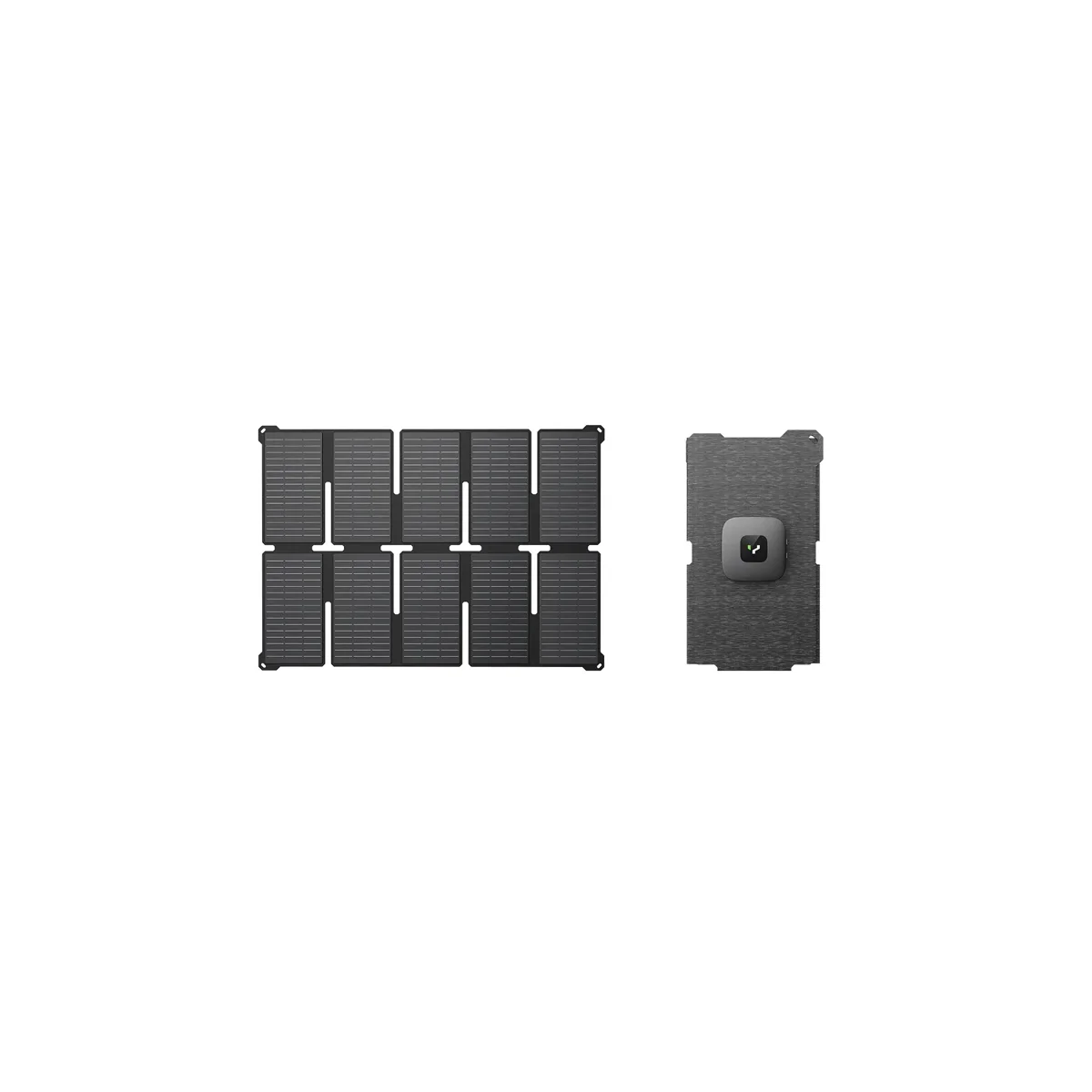
35W of direct solar charging in 1.54 pounds, folding small enough for a jacket pocket. It keeps a phone, earbuds, and a camera alive on the trail with no station in the loop.
Full review →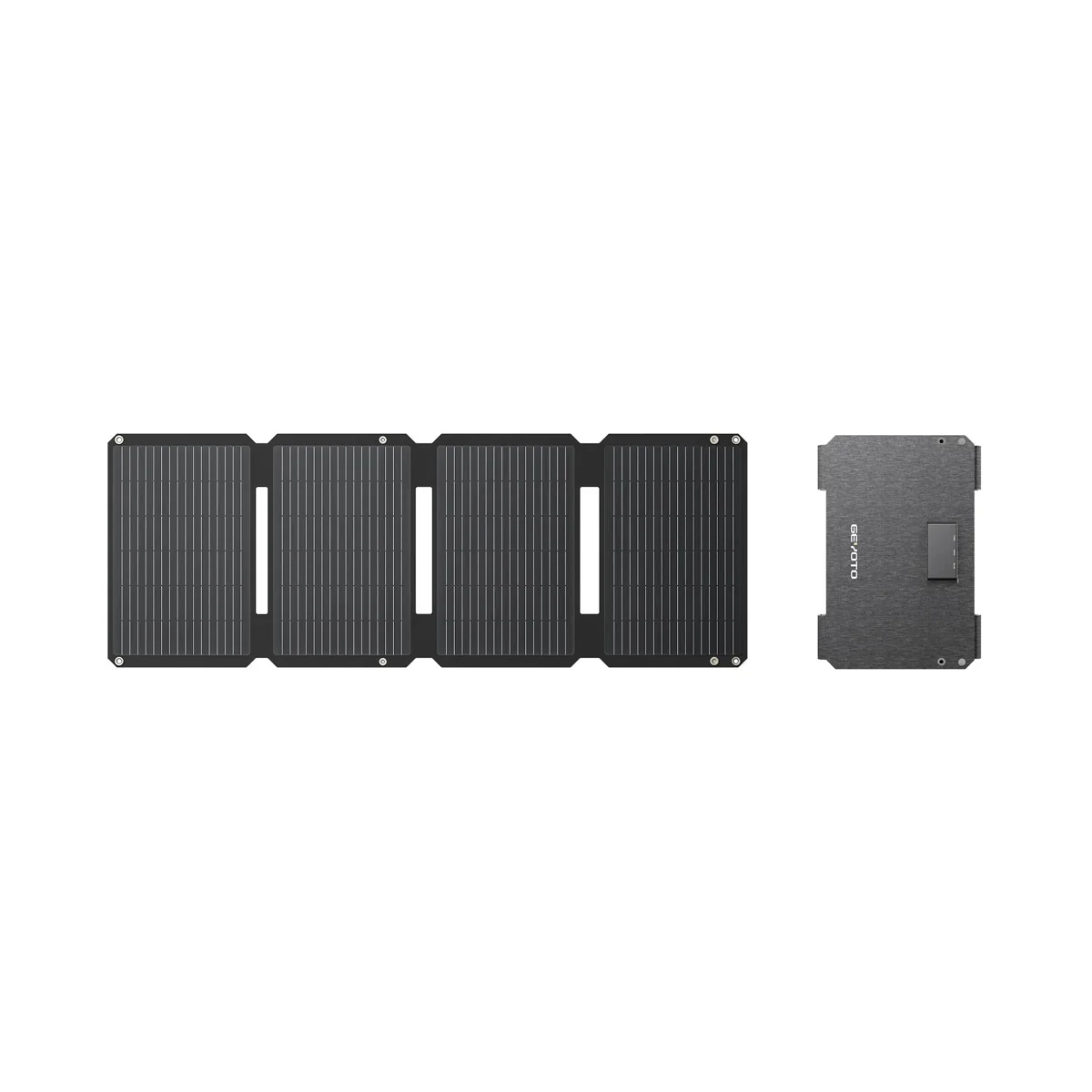
45W of direct solar charging in 1.65 pounds, with USB-A and USB-C for a phone, a tablet, and a headlamp. It fits a daypack and keeps more than a phone alive off grid.
Full review →Stored energy (Wh) by station