CAMPING & OUTDOORS
Portable Power for Camping & Outdoors
Quiet electricity for the campsite: lights, phones, a fan, and the coffee maker, without a generator's noise at dawn.

Categories
CampingQuiet electricity for the campsite: lights, phones, a fan, and the coffee maker, without a generator's noiseHome backupWhen the grid drops, essentials stay on: fridge, router, lights in one room, phones charged, medical devicesEvents & on-siteRunning shows, shoots, food stalls, and vendor booths off the grid, with clean power and no fumesEmergency prepThe battery you want charged before the storm: communications, lighting, refrigeration, and medical devicesRV / off-gridHouse power that moves with you: 12-volt ecosystems, solar pairing, and batteries that charge from the12V & jump startThe 12-volt rescue: keeping vehicle accessories, lights, and small 12-volt systems alive when you are the onlyProducts
All power stationsCompare specsAferiyAllpowersAnker SOLIXBLUETTIEcoFlowGeyotoGoal ZeroGrowattJackeryRenogyYEAGULCHArticles
Residential vs Business Portable Power: How to Tell What You Actually NeedPortable Power for a Landscaping Company: Ditching the 200-Foot Extension CordPortable Power for a Food Truck That Wants to Plug In AnywhereRunning Job Site Power Without a GeneratorWhole Home Backup vs Appliance Backup: Pick the Right SizeHow Long Will a Power Station Run: A Practical Planning GuidePairing a Solar Panel for a Power Station: What to MatchPortable Power for Outdoor Events: Weddings and ReceptionsGuides
Portable Power for Camping: The Complete Guide to On-Site ElectricityPortable Power for Home Power Outages: A Real Backup Plan for the GridPortable Power for Events & On-Site Work: Running Shows, Shoots, and Stands Off the GridPortable Power for Emergencies: The Battery You Want Charged Before the StormPortable Power for Jump-Starting a Car & Vehicle PowerPortable Power for RV, Van Life & Off-Grid Living Compare AboutTrust
Affiliate Disclosure Privacy Policy Terms of UseSolar-ready power stations, panels, and home backup batteries, compared by capacity, wattage, and recharge speed, so you can pick the one that fits your blackout, your campsite, or your job site.
Category hubs are built around the problem first. The right pick follows the problem, not the other way around.
Quiet electricity for the campsite: lights, phones, a fan, and the coffee maker, without a generator's noise at dawn.

When the grid drops, essentials stay on: fridge, router, lights in one room, phones charged, medical devices covered.
Running shows, shoots, food stalls, and vendor booths off the grid, with clean power and no fumes.
The battery you want charged before the storm: communications, lighting, refrigeration, and medical devices when roads are closed.
House power that moves with you: 12-volt ecosystems, solar pairing, and batteries that charge from the alternator while you drive.
The 12-volt rescue: keeping vehicle accessories, lights, and small 12-volt systems alive when you are the only power around.
The picks we keep coming back to, in the order we would shortlist them. Each one earns its place in a different situation.
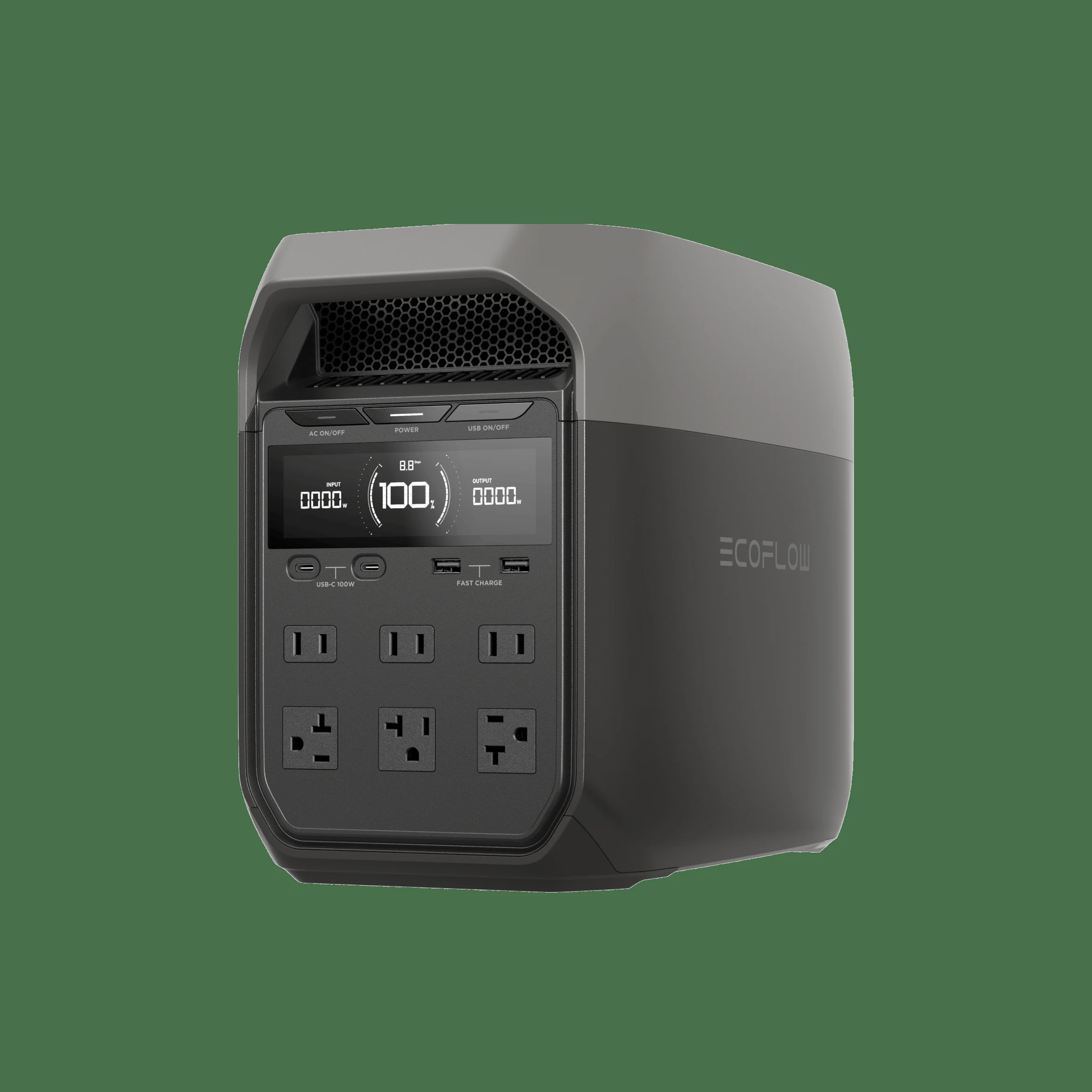
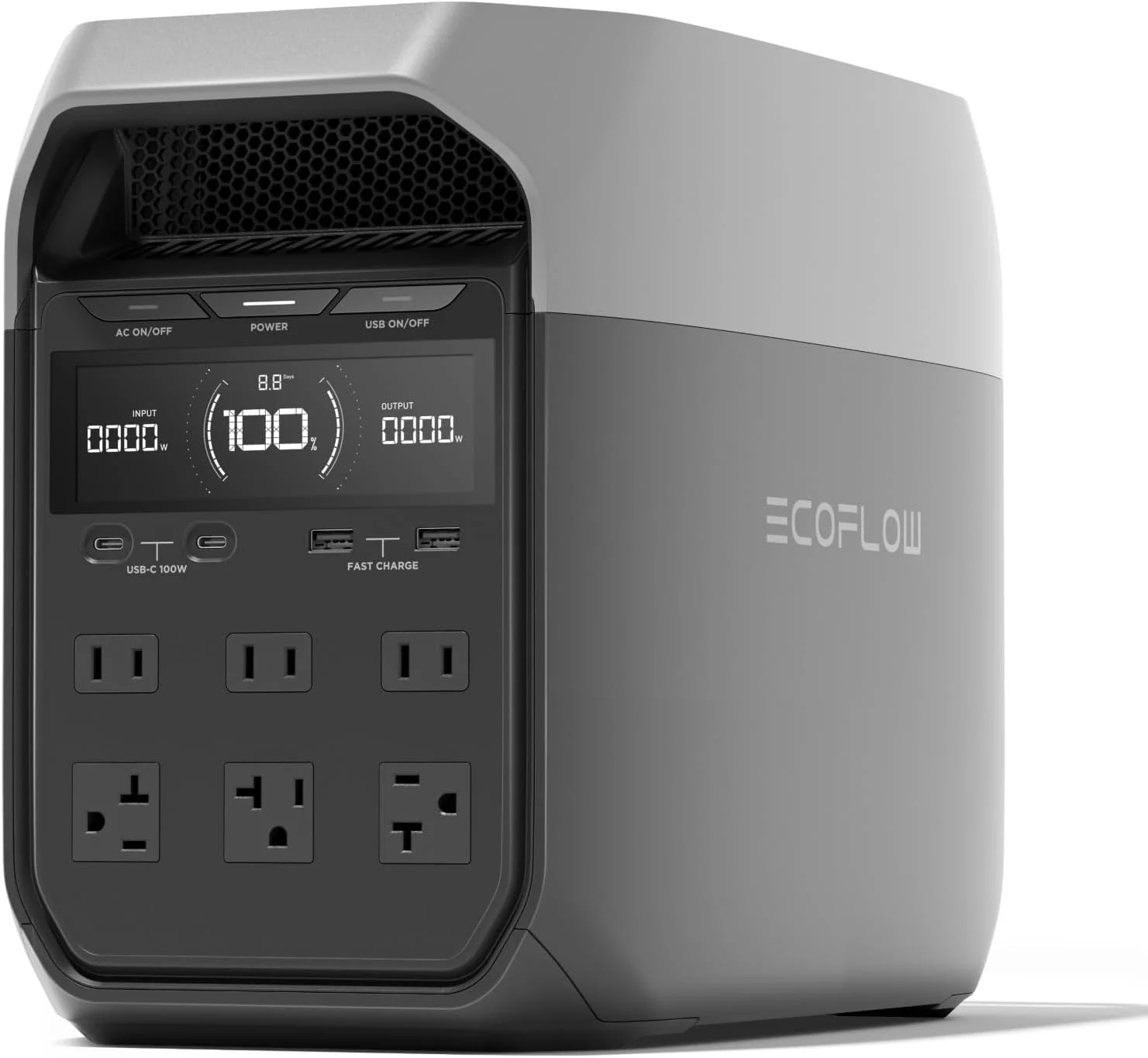
The home-backup flagship: server-class UPS behavior, big watt-hour capacity, and the quiet operation that makes it easy to keep near the couch or the router cabinet.
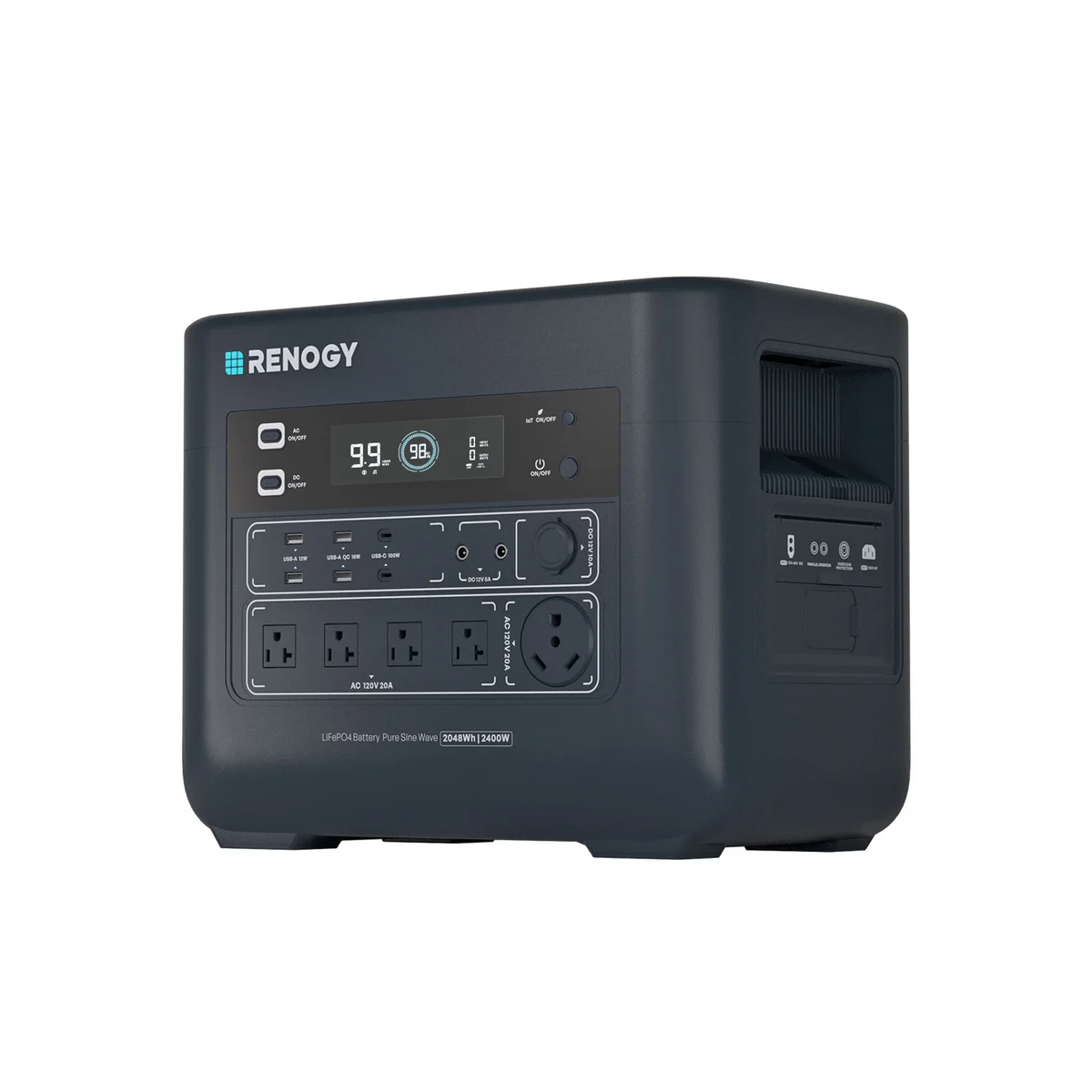
The fast-charging workhorse. A 2,400 watt inverter with real surge headroom, sized for a fridge plus the evening loads that matter when the grid drops.
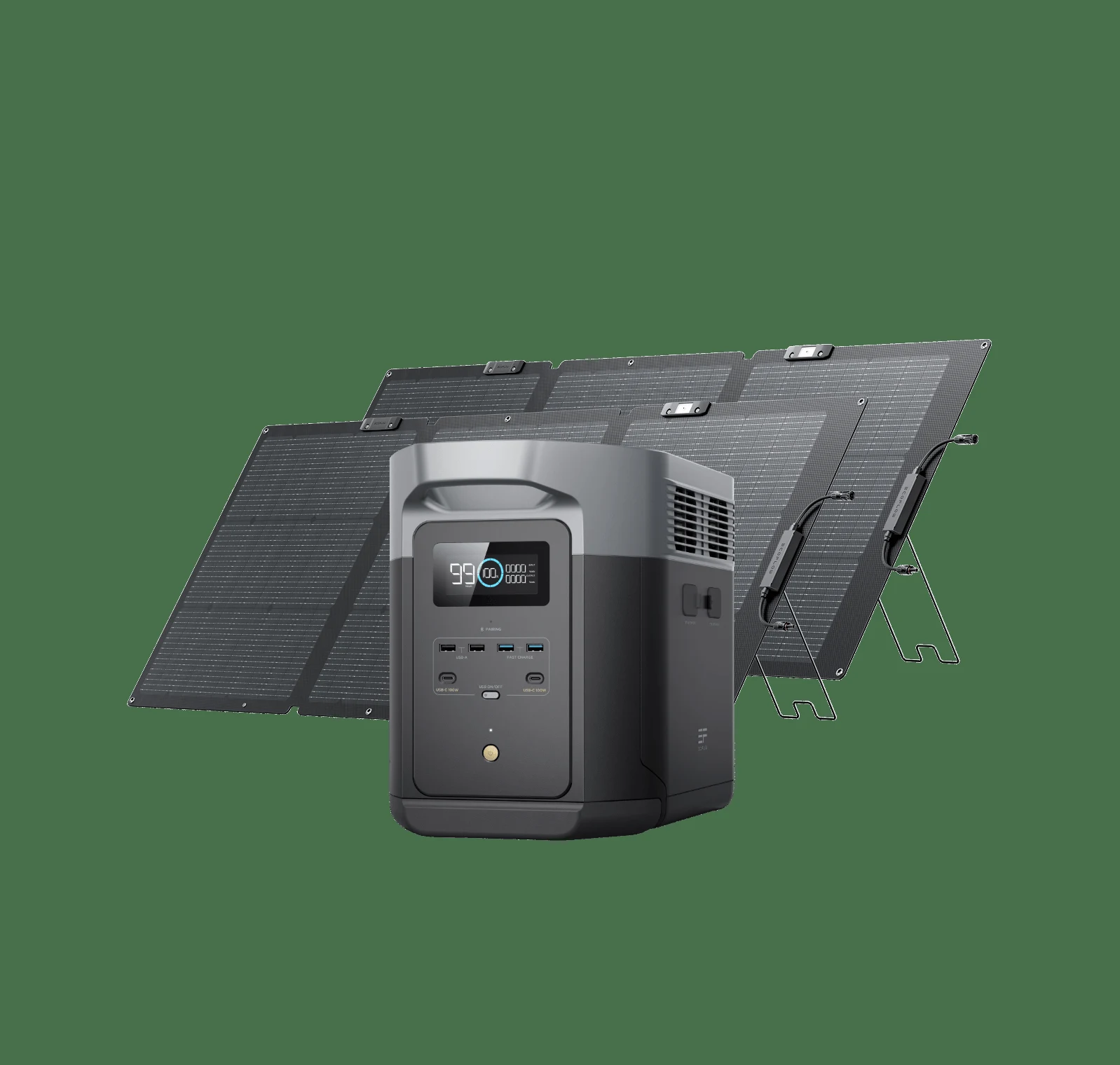
The expandable option for people who expect a bigger day. Expansion batteries and high solar input mean the same station grows with your needs.
Top 12 by capacity wh
Long-form guides for the big decisions. Read these before you buy.
Camping without the Guesswork
Why a Power Station Beats a Generator for Most Homes
The Day the Generator Left the Site
Short, practical answers to the questions we get asked most.
Residential vs business portable power sounds like the same product in two price ranges, but the difference is what each one has to do. A home unit's job is to
Portable power for a landscaping company usually means solving two problems at once: a 200-foot extension cord that drapes across the property, and the voltage
It depends on the fridge draw and the station's watt-hours. A 200 watt fridge drains roughly 200 Wh per hour, so a 1,000 Wh station covers about five hours of fridge-only use. Our how-long-will-it-run article walks through the arithmetic.
Most stations here list a solar input limit in watts. A panel that matches or exceeds that input charges at full speed. Pairing advice is in the solar article and each product review lists its input.
Watts size the inverter: how big a device can run at once. Watt-hours size the battery: how long it can run. You need both numbers, and the reviews list both.
A single portable station keeps essentials alive, not a whole house. Whole-home backup means a transfer switch and a much larger battery. The article comparing whole-home versus appliance backup explains where the line is.