
anker-solix
Anker SOLIX F2000 (PowerHouse 767)
Anker 2kWh backup with a decade rated battery, four AC outlets, three USB-C ports, and a dedicated RV outlet. Familiar, quiet, and built to sit ready for a decade.
Full review →
Categories
CampingQuiet electricity for the campsite: lights, phones, a fan, and the coffee maker, without a generator's noiseHome backupWhen the grid drops, essentials stay on: fridge, router, lights in one room, phones charged, medical devicesEvents & on-siteRunning shows, shoots, food stalls, and vendor booths off the grid, with clean power and no fumesEmergency prepThe battery you want charged before the storm: communications, lighting, refrigeration, and medical devicesRV / off-gridHouse power that moves with you: 12-volt ecosystems, solar pairing, and batteries that charge from the12V & jump startThe 12-volt rescue: keeping vehicle accessories, lights, and small 12-volt systems alive when you are the onlyProducts
All power stationsCompare specsAferiyAllpowersAnker SOLIXBLUETTIEcoFlowGeyotoGoal ZeroGrowattJackeryRenogyYEAGULCHArticles
Residential vs Business Portable Power: How to Tell What You Actually NeedPortable Power for a Landscaping Company: Ditching the 200-Foot Extension CordPortable Power for a Food Truck That Wants to Plug In AnywhereRunning Job Site Power Without a GeneratorWhole Home Backup vs Appliance Backup: Pick the Right SizeHow Long Will a Power Station Run: A Practical Planning GuidePairing a Solar Panel for a Power Station: What to MatchPortable Power for Outdoor Events: Weddings and ReceptionsGuides
Portable Power for Camping: The Complete Guide to On-Site ElectricityPortable Power for Home Power Outages: A Real Backup Plan for the GridPortable Power for Events & On-Site Work: Running Shows, Shoots, and Stands Off the GridPortable Power for Emergencies: The Battery You Want Charged Before the StormPortable Power for Jump-Starting a Car & Vehicle PowerPortable Power for RV, Van Life & Off-Grid Living Compare AboutTrust
Affiliate Disclosure Privacy Policy Terms of UseA solar panel for a power station is only as good as the match between three things: the panel's output, the station's solar input, and the cable that connects them. Get those aligned and charging a power station with solar becomes almost a
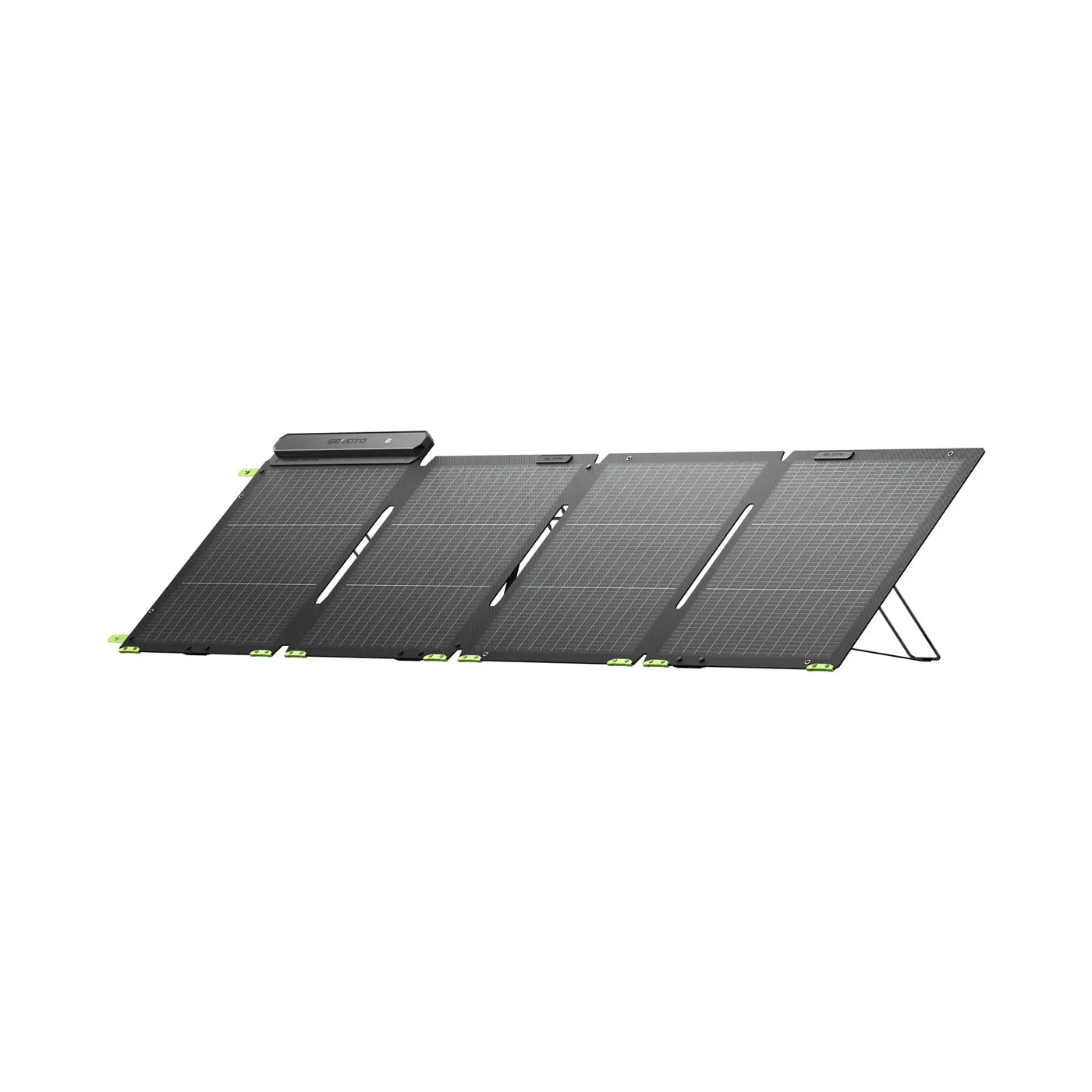
A solar panel for a power station is only as good as the match between three things: the panel's output, the station's solar input, and the cable that connects them. Get those aligned and charging a power station with solar becomes almost automatic; miss any one and the setup underperforms no matter the sun.
The first match is the electrical window. Every station has a maximum solar input and a voltage range its controller can accept, and a panel should sit comfortably inside both. A 200-watt foldable panel that peaks around 25 volts is a common fit for a station whose input is rated near 200 watts, and the connector has to be the right family, typically MC4 or an XT60-style plug, or an adapter. Check the input ceiling first, because a panel above it is simply throttled.
The second match is expectation, not spec. The rated wattage is a lab number, and real-world output is usually a good chunk lower once you factor in angle, temperature, and cloud cover, so a 200-watt panel more often delivers 60 to 80 percent of its label on a normal day. Budget the charging around that, and size the panel so a single good day recharges most of what a typical load draws. The honest limit is that a small panel tops off a battery; it does not replace a wall outlet for a heavy home load, and deep winter sun can cut the daily yield.
So the rule is simple: match the input, match the connector, and budget for real sun. A solar panel for a power station done that way recharges quietly and predictably, and the GEYOTO S200 panel page in this category describes a 200-watt foldable panel made to pair with this class of station.
Anker 2kWh backup with a decade rated battery, four AC outlets, three USB-C ports, and a dedicated RV outlet. Familiar, quiet, and built to sit ready for a decade.
Full review →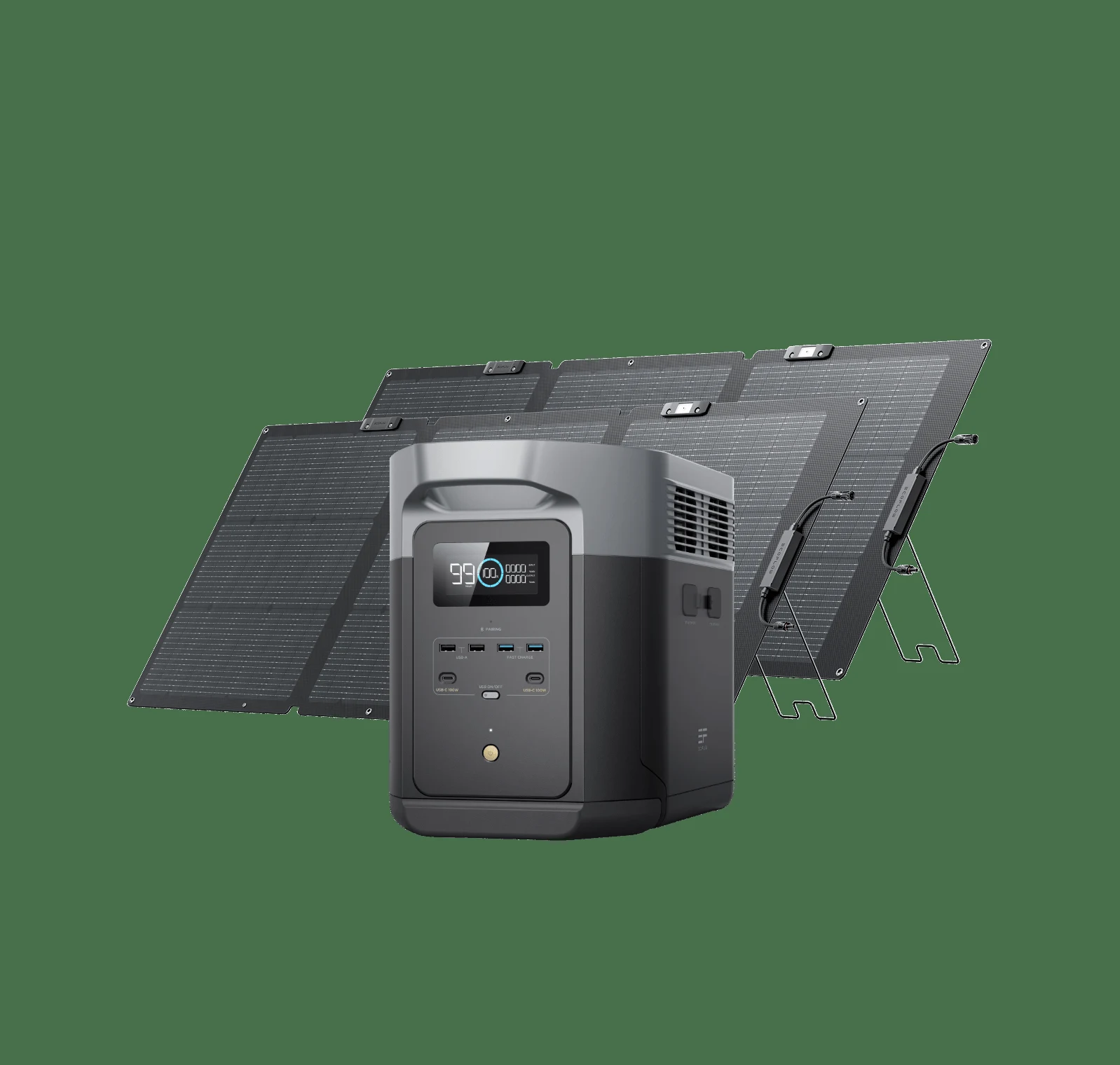
2,048Wh with 2,400W output, 1,000W solar input, and 80 percent charging in 43 minutes. Built for multi day storms, power tools, and full vehicle RV power.
Full review →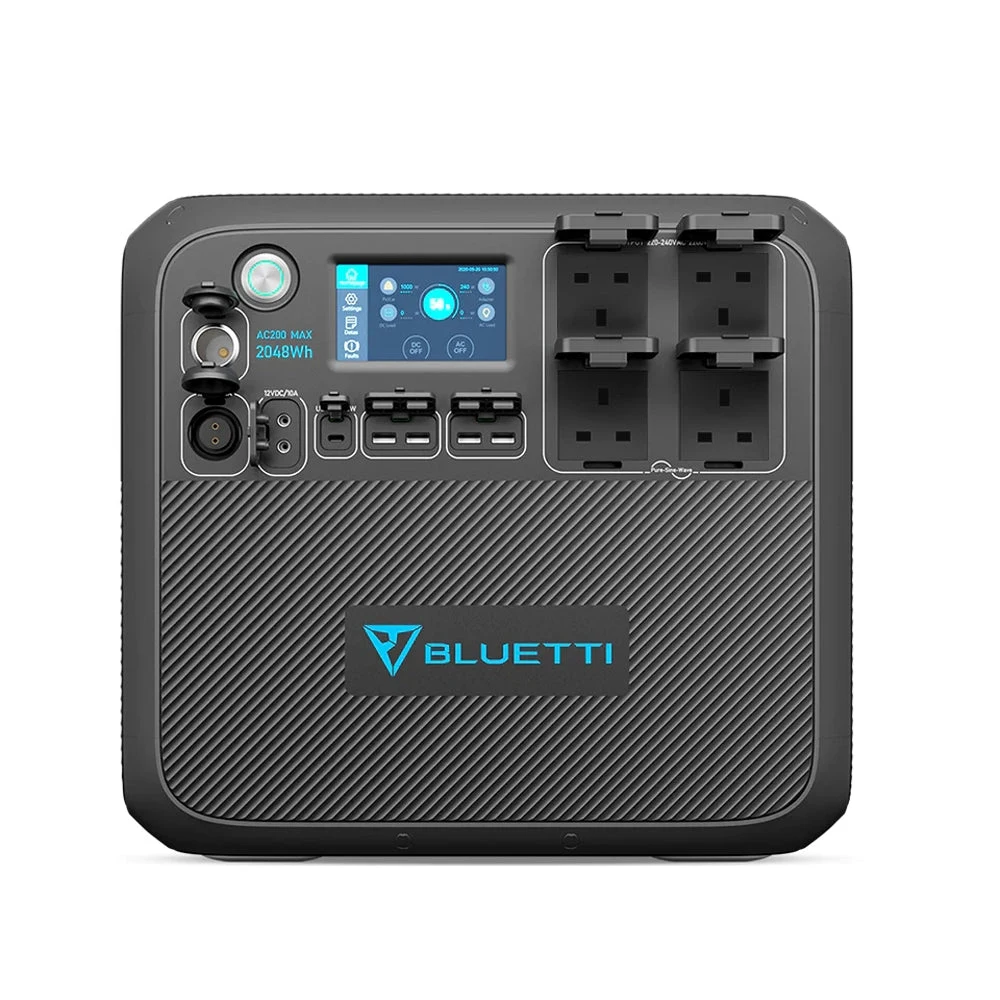
Solar first backup with 900W input, 4,800W surge, and a path to 8,192Wh with three add on batteries. Built for multi day outages, RV shore power, and off grid cabins.
Full review →