yeagulch
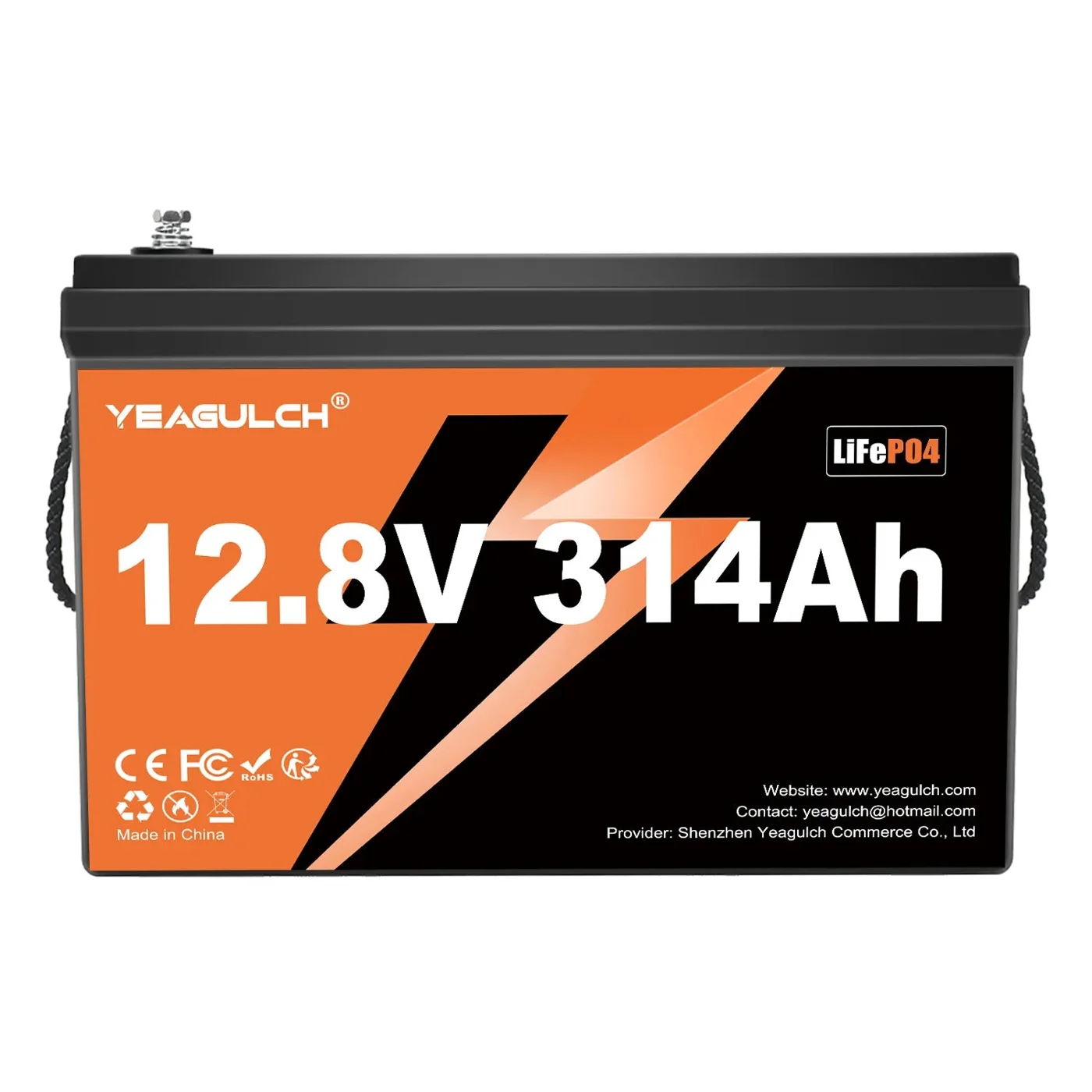
YEAGULCH 12V 314Ah LiFePO4 Battery
4,019Wh of raw LiFePO4 per unit with a 200A BMS, 15,000 plus cycles, and parallel growth toward 16kWh. The cost effective core of a self built RV, marine, or solar bank.
Full review →
Categories
CampingQuiet electricity for the campsite: lights, phones, a fan, and the coffee maker, without a generator's noiseHome backupWhen the grid drops, essentials stay on: fridge, router, lights in one room, phones charged, medical devicesEvents & on-siteRunning shows, shoots, food stalls, and vendor booths off the grid, with clean power and no fumesEmergency prepThe battery you want charged before the storm: communications, lighting, refrigeration, and medical devicesRV / off-gridHouse power that moves with you: 12-volt ecosystems, solar pairing, and batteries that charge from the12V & jump startThe 12-volt rescue: keeping vehicle accessories, lights, and small 12-volt systems alive when you are the onlyProducts
All power stationsCompare specsAferiyAllpowersAnker SOLIXBLUETTIEcoFlowGeyotoGoal ZeroGrowattJackeryRenogyYEAGULCHArticles
Residential vs Business Portable Power: How to Tell What You Actually NeedPortable Power for a Landscaping Company: Ditching the 200-Foot Extension CordPortable Power for a Food Truck That Wants to Plug In AnywhereRunning Job Site Power Without a GeneratorWhole Home Backup vs Appliance Backup: Pick the Right SizeHow Long Will a Power Station Run: A Practical Planning GuidePairing a Solar Panel for a Power Station: What to MatchPortable Power for Outdoor Events: Weddings and ReceptionsGuides
Portable Power for Camping: The Complete Guide to On-Site ElectricityPortable Power for Home Power Outages: A Real Backup Plan for the GridPortable Power for Events & On-Site Work: Running Shows, Shoots, and Stands Off the GridPortable Power for Emergencies: The Battery You Want Charged Before the StormPortable Power for Jump-Starting a Car & Vehicle PowerPortable Power for RV, Van Life & Off-Grid Living Compare AboutTrust
Affiliate Disclosure Privacy Policy Terms of UseHouse power that moves with you: 12-volt ecosystems, solar pairing, and batteries that charge from the alternator while you drive.
RV and van life run on 12 volts and sunshine. Expandable stations, high-capacity lithium batteries, and properly sized panels form a system, not a gadget.
Every pick below follows the situation above. Click through for the full review.
4,019Wh of raw LiFePO4 per unit with a 200A BMS, 15,000 plus cycles, and parallel growth toward 16kWh. The cost effective core of a self built RV, marine, or solar bank.
Full review →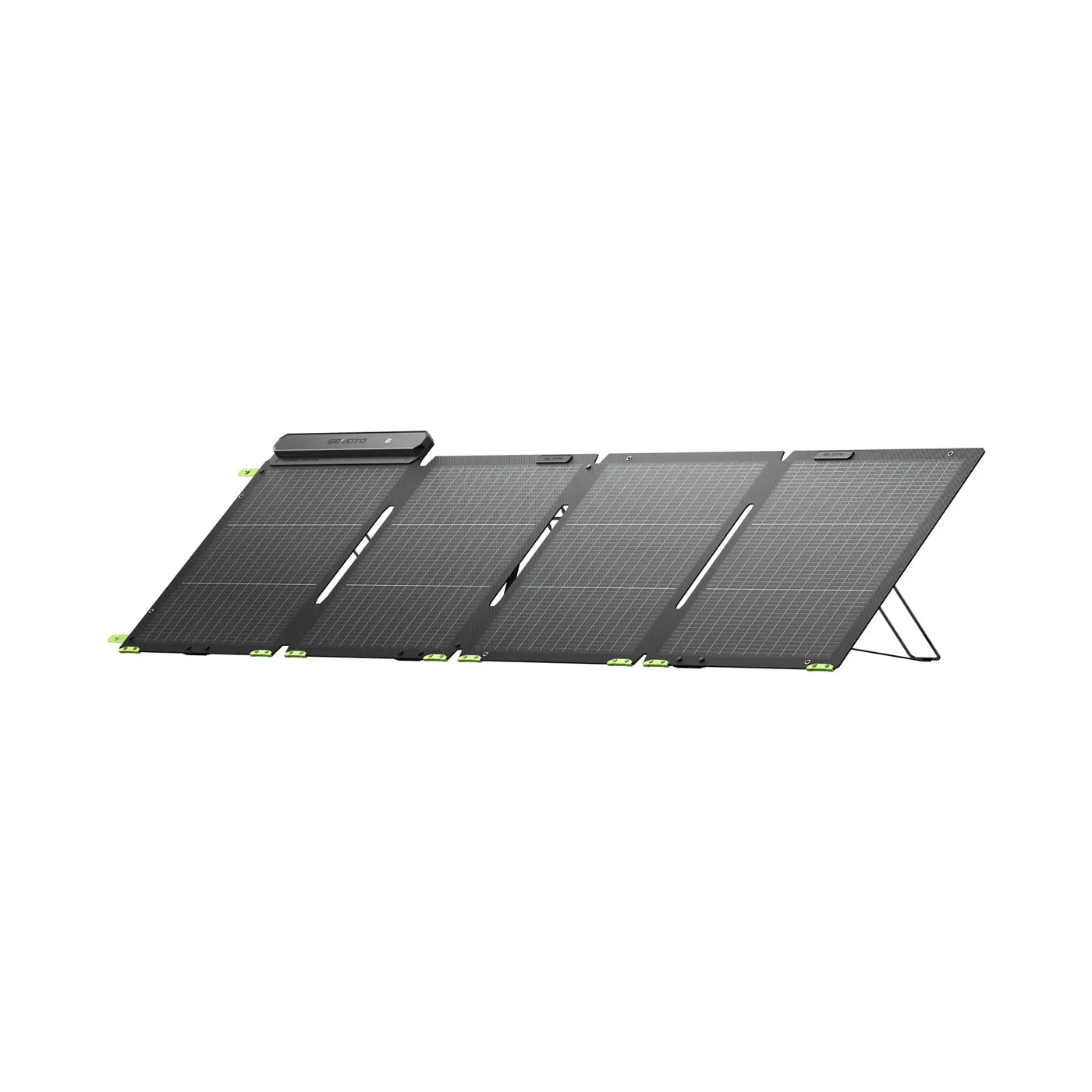
200W of bifacial solar that refills a 1,000Wh station in a single afternoon of strong sun. About 15 pounds, foldable, and built for RV arrays and work sites.
Full review →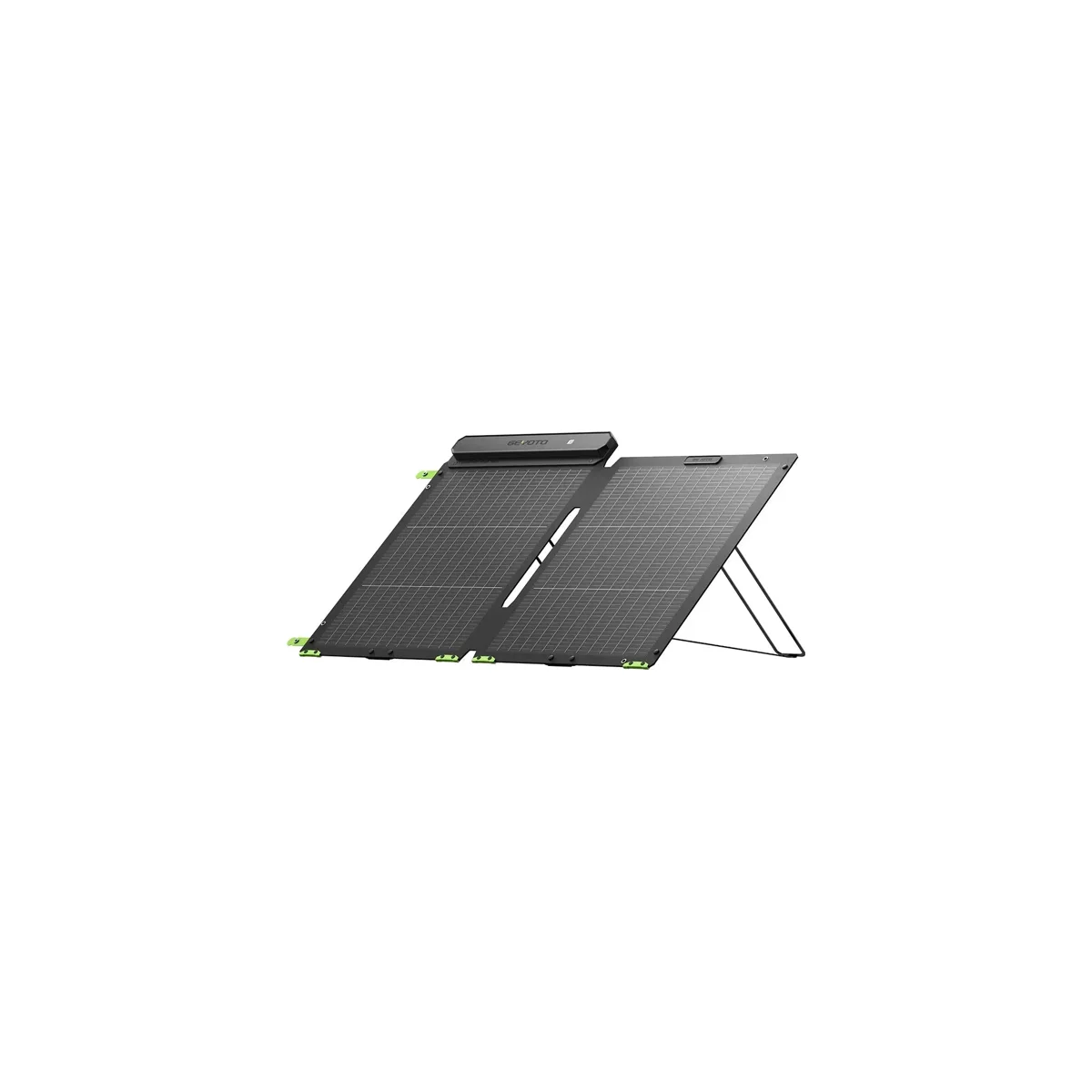
100W of bifacial solar in 8.38 pounds, folding to laptop bag size. It holds a 1,000Wh station through a campsite day and tops a 256Wh battery in a short window of sun.
Full review →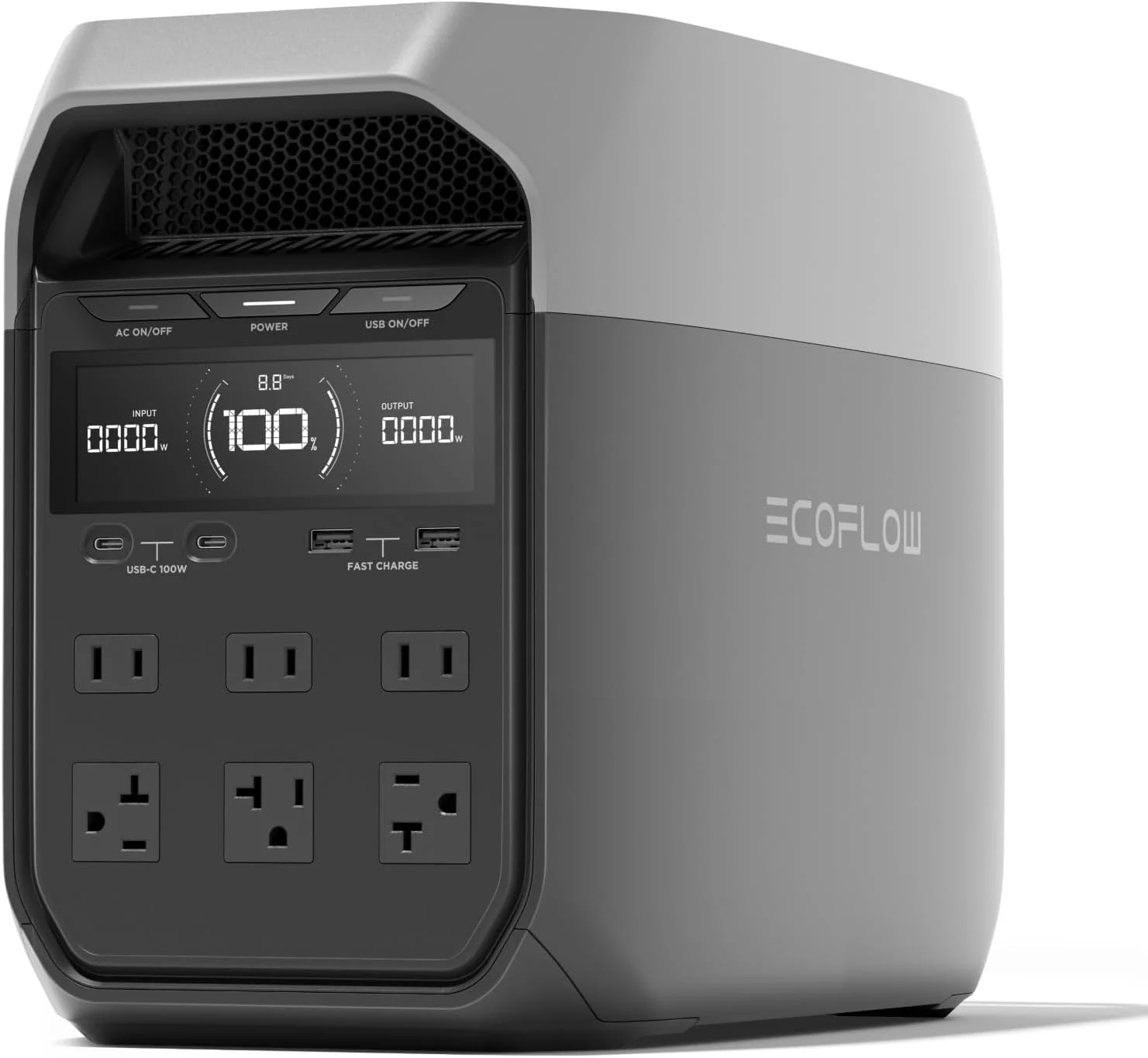
The fastest 1kWh charge in the line, a 4,000 cycle battery in an IP65 pack, and 27.6 pounds of one hand carry. It refills before the next outage and grows to 5,000Wh later.
Full review →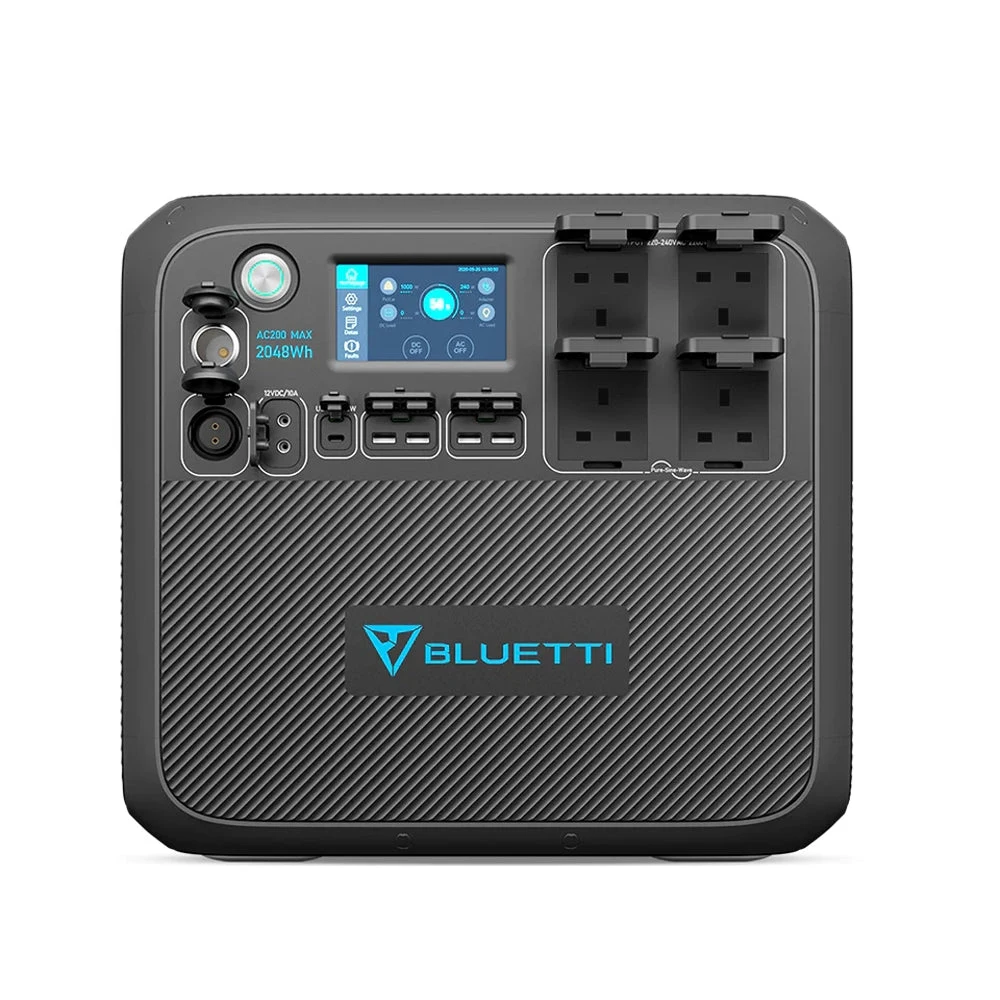
Solar first backup with 900W input, 4,800W surge, and a path to 8,192Wh with three add on batteries. Built for multi day outages, RV shore power, and off grid cabins.
Full review →
Anker 2kWh backup with a decade rated battery, four AC outlets, three USB-C ports, and a dedicated RV outlet. Familiar, quiet, and built to sit ready for a decade.
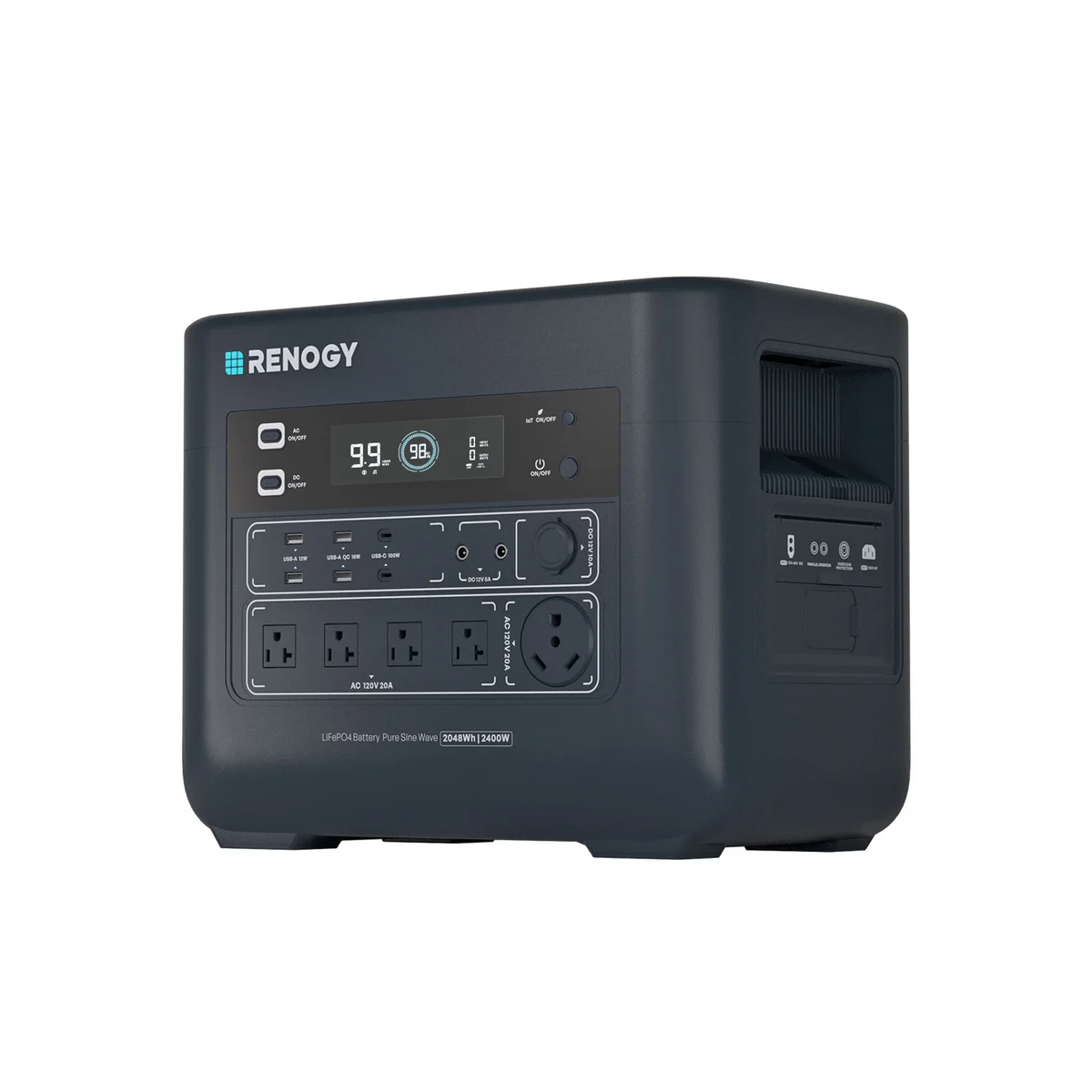
Full review →If you already run Renogy solar panels, a Renogy inverter, or a Renogy lithium battery and you want the station that closes the loop, the Renogy PowerStation 2000 is the off grid choice for that ecosystem. It holds 2,048Wh of lithium iron phosphate energy in a 51.8 pound suitcase style unit and drives a 2,400W inverter with 3,600W of surge, and it accepts Renogy own panels through a standard solar input so a builder already in the Renogy world does not need a second brand to go mobile. The cells are rated for more than 3,000 charge cycles, which supports years of regular use. Five charging paths are the real story for RV and job site buyers. AC, solar, AC plus solar hybrid, gas generator, and vehicle input all feed the battery, and a wall charge reaches 80 percent in about an hour, so a lunch stop at a campground hookup fills the station back up. Pair it with two 200W Renogy panels and it becomes a true solar generator that recharges across a single afternoon of good sun, the difference between a backup you can rely on and one that drains. The companion app monitors state of charge and output from indoors, which matters on a rainy night. A built in TT-30 RV outlet is the feature that earns this unit its place in the travel trailer category, a direct shore power connection with no adapter needed. For home backup, the UPS hands over in under twenty milliseconds, keeping a router, a computer, or a breathing machine alive through a blip, and twenty five decibel operation is quieter than a conversation. The 2,048Wh capacity is fixed with no expansion battery. It suits RV weekends, tailgating, job sites, and fridge plus Wi-Fi outage kits at a value price.
Stored energy in the RV lineup
All power stations · Compare · Articles · Guides · Home