geyoto
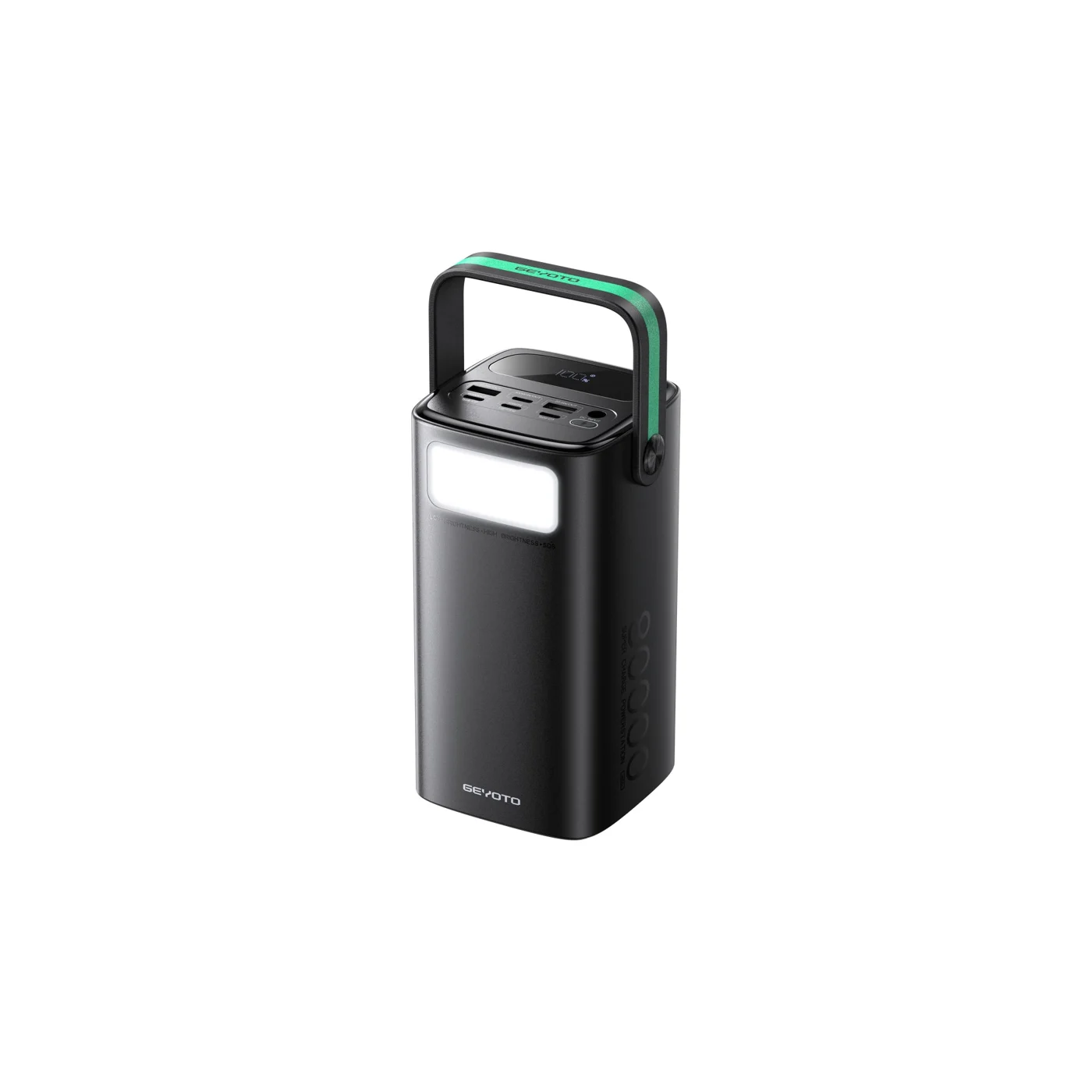
GEYOTO C260 DC Portable Power Station
256Wh of DC power in 3.64 pounds, with a 100W USB-C port that fills a laptop or recharges the unit itself. No AC outlets, no inverter overhead, just pocket sized USB power.
Full review →
Categories
CampingQuiet electricity for the campsite: lights, phones, a fan, and the coffee maker, without a generator's noiseHome backupWhen the grid drops, essentials stay on: fridge, router, lights in one room, phones charged, medical devicesEvents & on-siteRunning shows, shoots, food stalls, and vendor booths off the grid, with clean power and no fumesEmergency prepThe battery you want charged before the storm: communications, lighting, refrigeration, and medical devicesRV / off-gridHouse power that moves with you: 12-volt ecosystems, solar pairing, and batteries that charge from the12V & jump startThe 12-volt rescue: keeping vehicle accessories, lights, and small 12-volt systems alive when you are the onlyProducts
All power stationsCompare specsAferiyAllpowersAnker SOLIXBLUETTIEcoFlowGeyotoGoal ZeroGrowattJackeryRenogyYEAGULCHArticles
Residential vs Business Portable Power: How to Tell What You Actually NeedPortable Power for a Landscaping Company: Ditching the 200-Foot Extension CordPortable Power for a Food Truck That Wants to Plug In AnywhereRunning Job Site Power Without a GeneratorWhole Home Backup vs Appliance Backup: Pick the Right SizeHow Long Will a Power Station Run: A Practical Planning GuidePairing a Solar Panel for a Power Station: What to MatchPortable Power for Outdoor Events: Weddings and ReceptionsGuides
Portable Power for Camping: The Complete Guide to On-Site ElectricityPortable Power for Home Power Outages: A Real Backup Plan for the GridPortable Power for Events & On-Site Work: Running Shows, Shoots, and Stands Off the GridPortable Power for Emergencies: The Battery You Want Charged Before the StormPortable Power for Jump-Starting a Car & Vehicle PowerPortable Power for RV, Van Life & Off-Grid Living Compare AboutTrust
Affiliate Disclosure Privacy Policy Terms of UseQuiet electricity for the campsite: lights, phones, a fan, and the coffee maker, without a generator's noise at dawn.
Camping is a small-load game. A station in the few-hundred to 1,500 Wh range with a solar panel covers a long weekend. The pilots here are the compact stations and the portable panels.
Every pick below follows the situation above. Click through for the full review.
256Wh of DC power in 3.64 pounds, with a 100W USB-C port that fills a laptop or recharges the unit itself. No AC outlets, no inverter overhead, just pocket sized USB power.
Full review →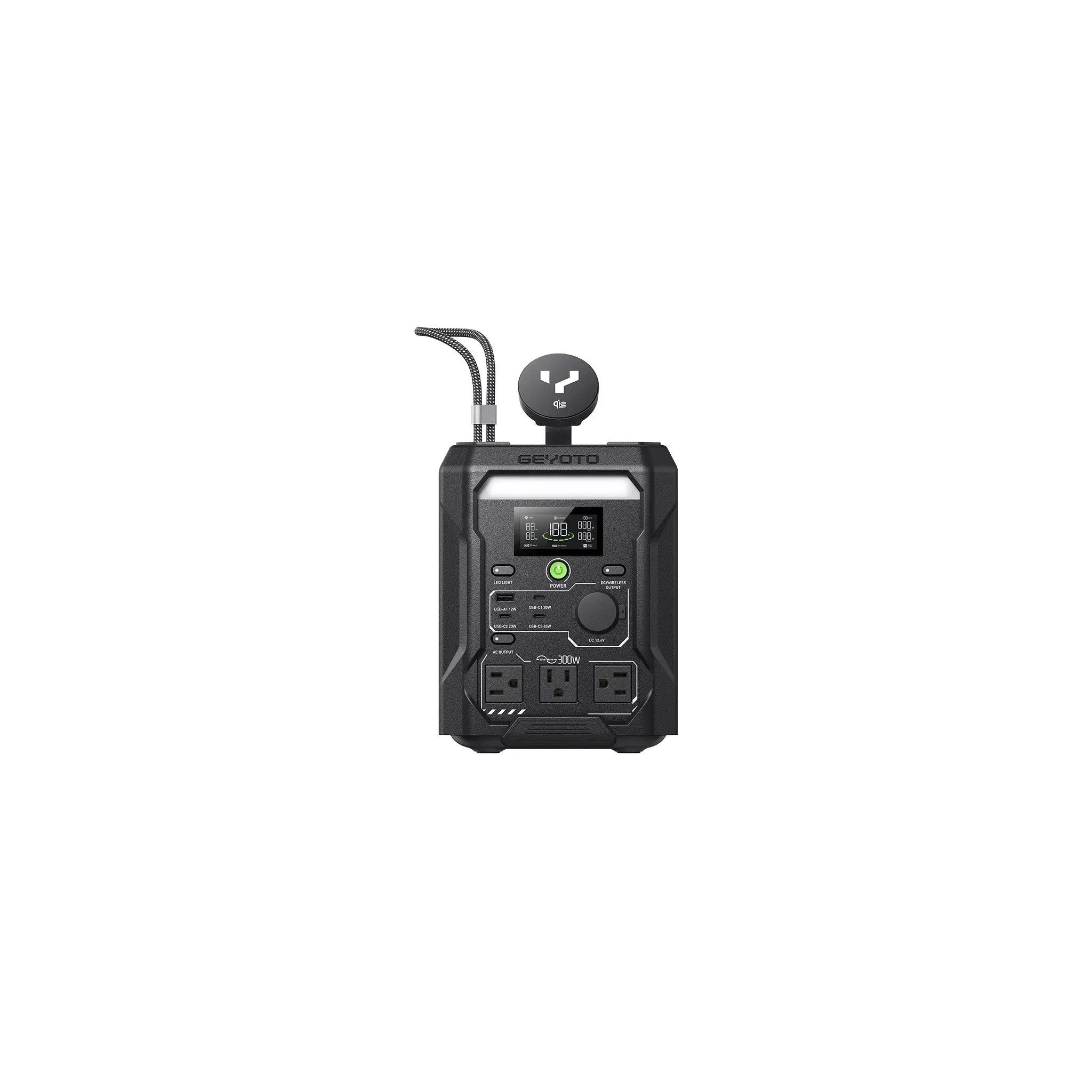
256Wh in 7.72 pounds with nine ports, a 300W inverter, and a wireless charging pad. A one bag travel station for laptops, phones, cameras, and a router through the night.
Full review →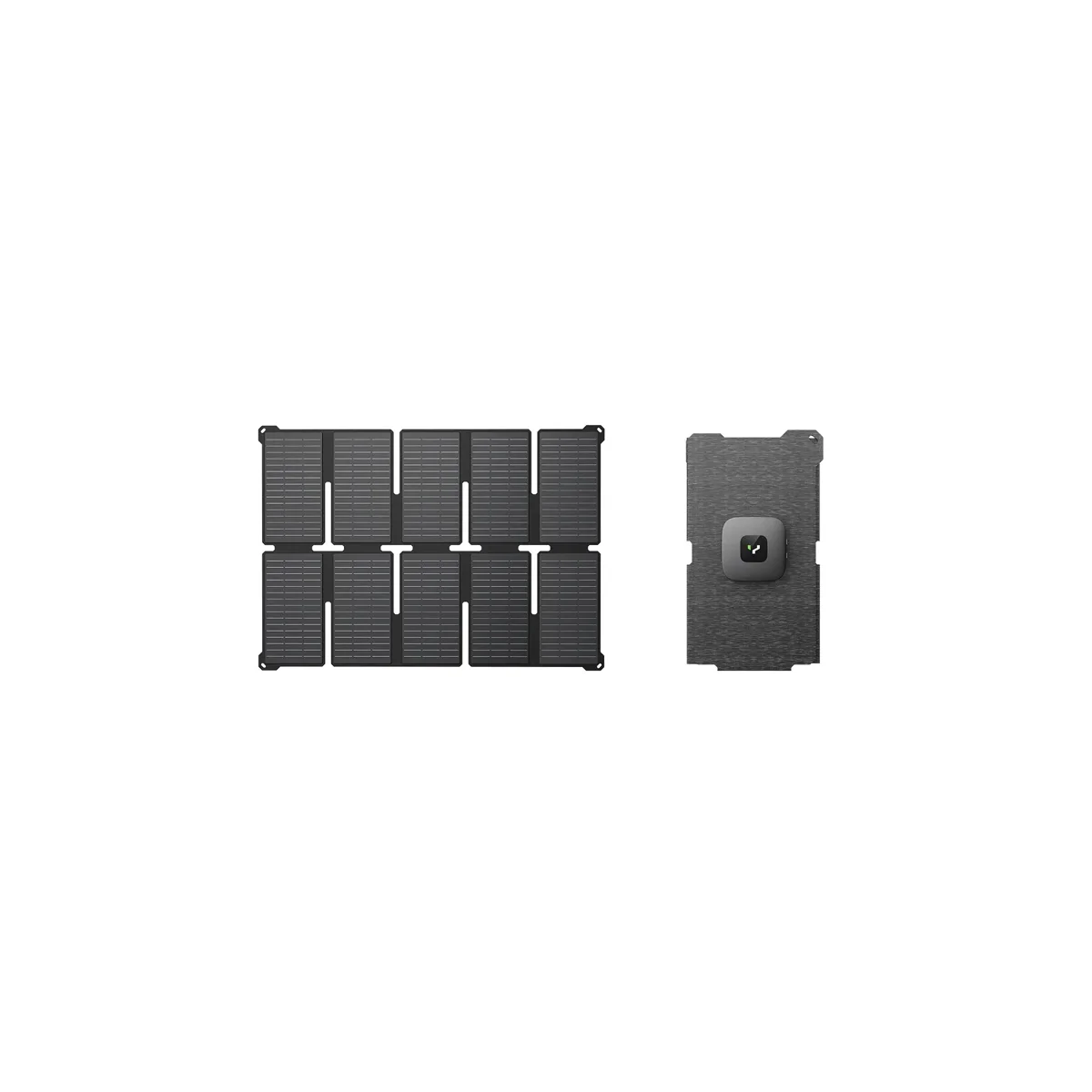
35W of direct solar charging in 1.54 pounds, folding small enough for a jacket pocket. It keeps a phone, earbuds, and a camera alive on the trail with no station in the loop.
Full review →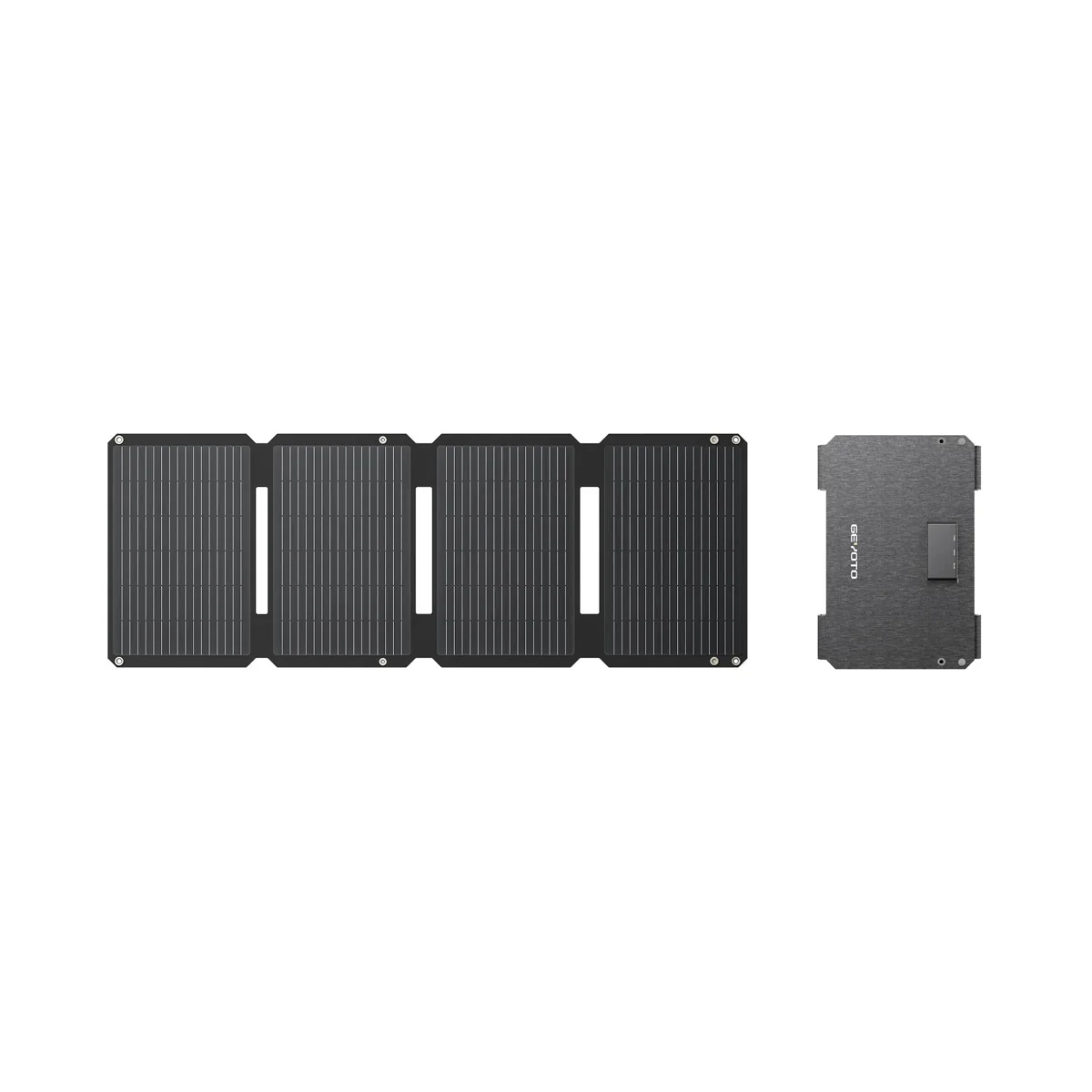
45W of direct solar charging in 1.65 pounds, with USB-A and USB-C for a phone, a tablet, and a headlamp. It fits a daypack and keeps more than a phone alive off grid.
Full review →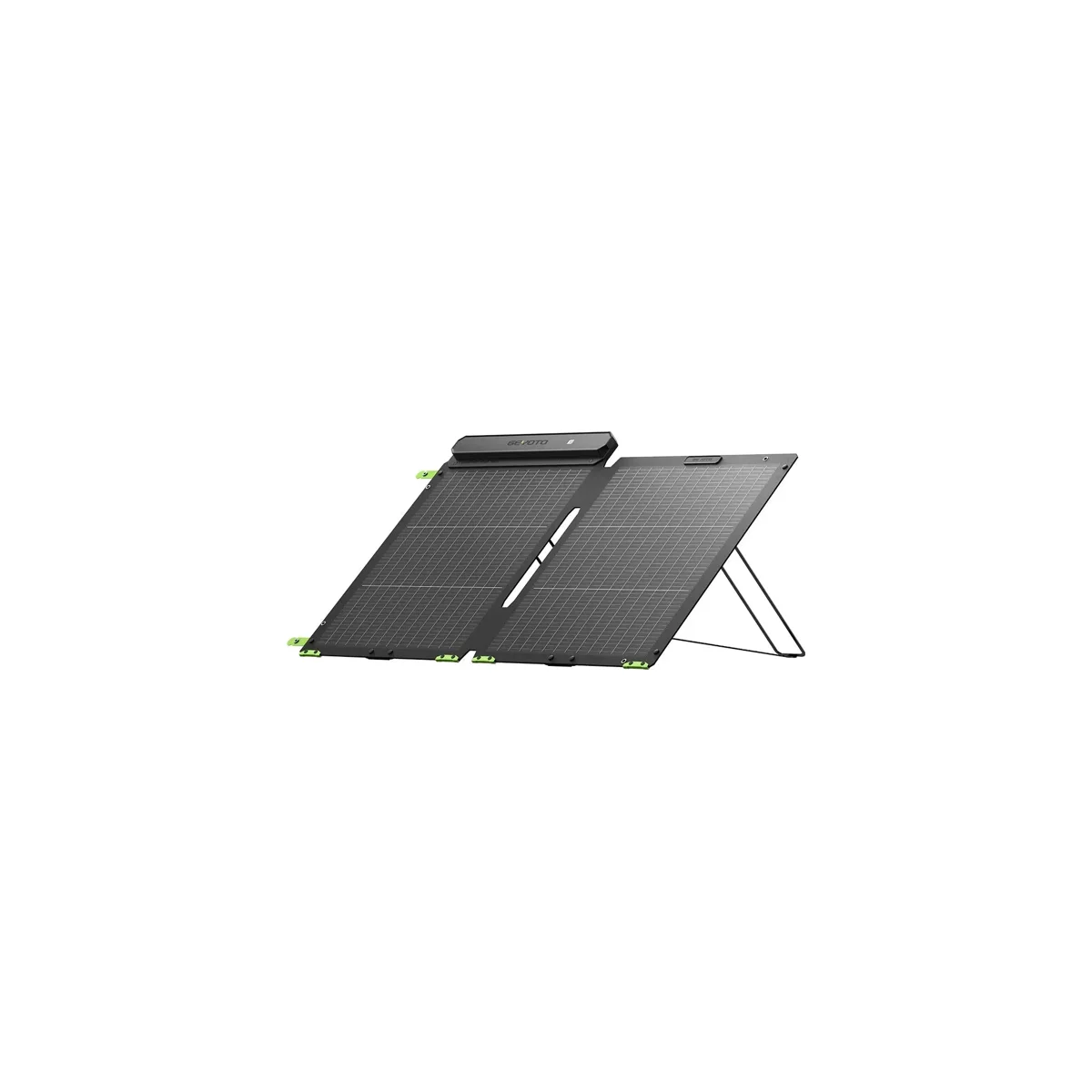
100W of bifacial solar in 8.38 pounds, folding to laptop bag size. It holds a 1,000Wh station through a campsite day and tops a 256Wh battery in a short window of sun.
Full review →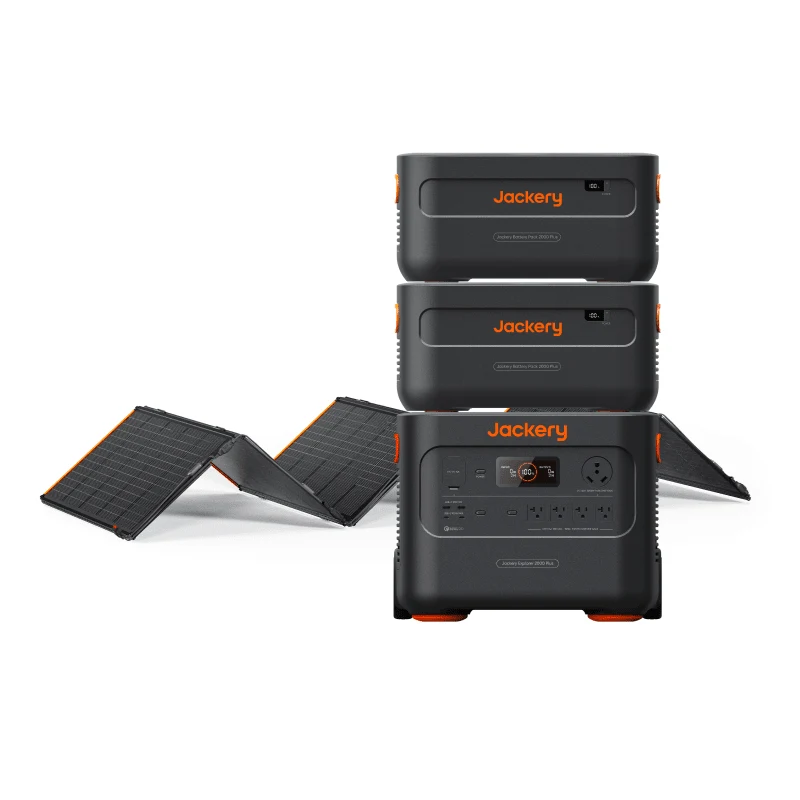
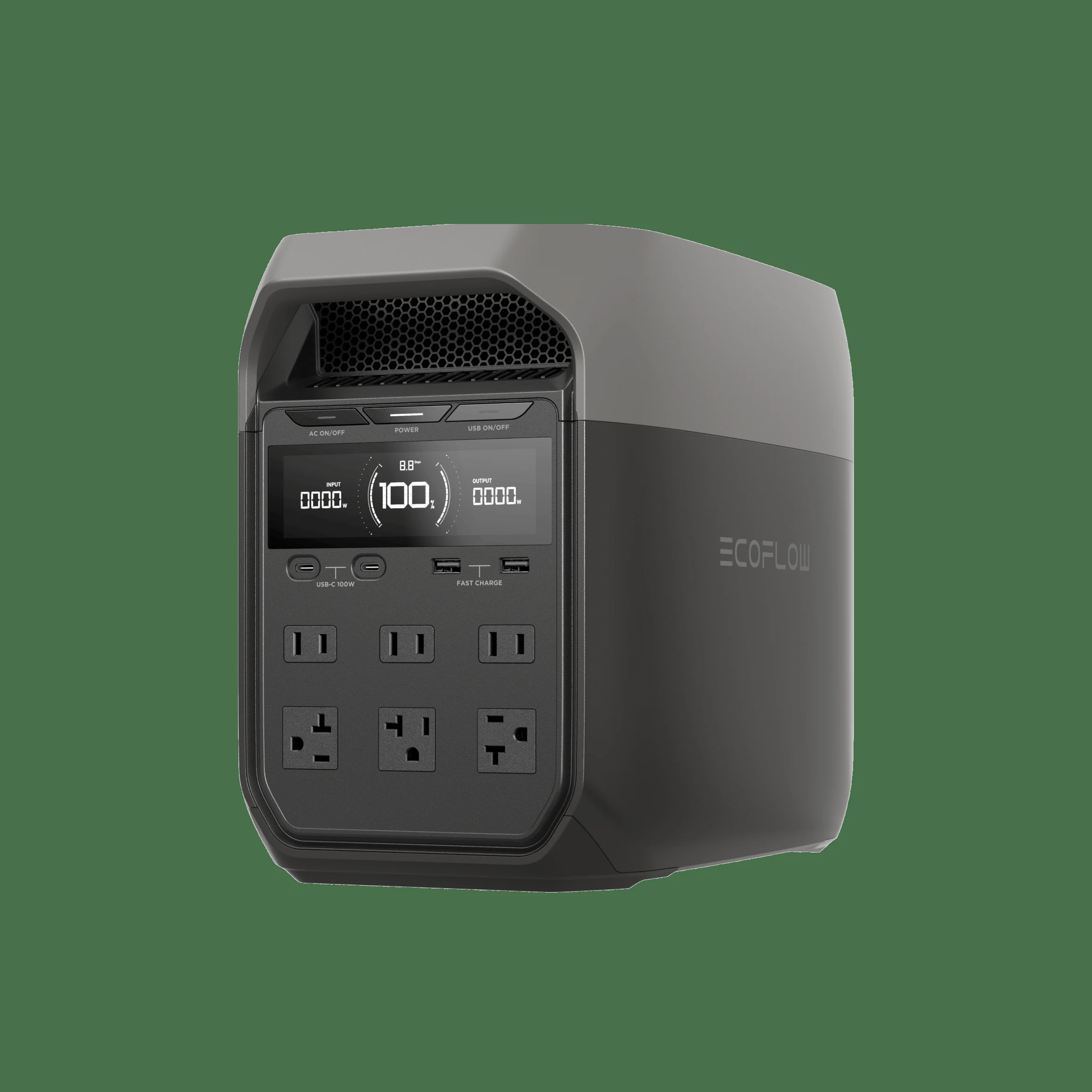
2,042Wh with 3,000W output and a 6,000W surge that runs a fridge, sump pump, router, and lights together. It scales toward 12kWh and is built for the worst case outage.
Full review →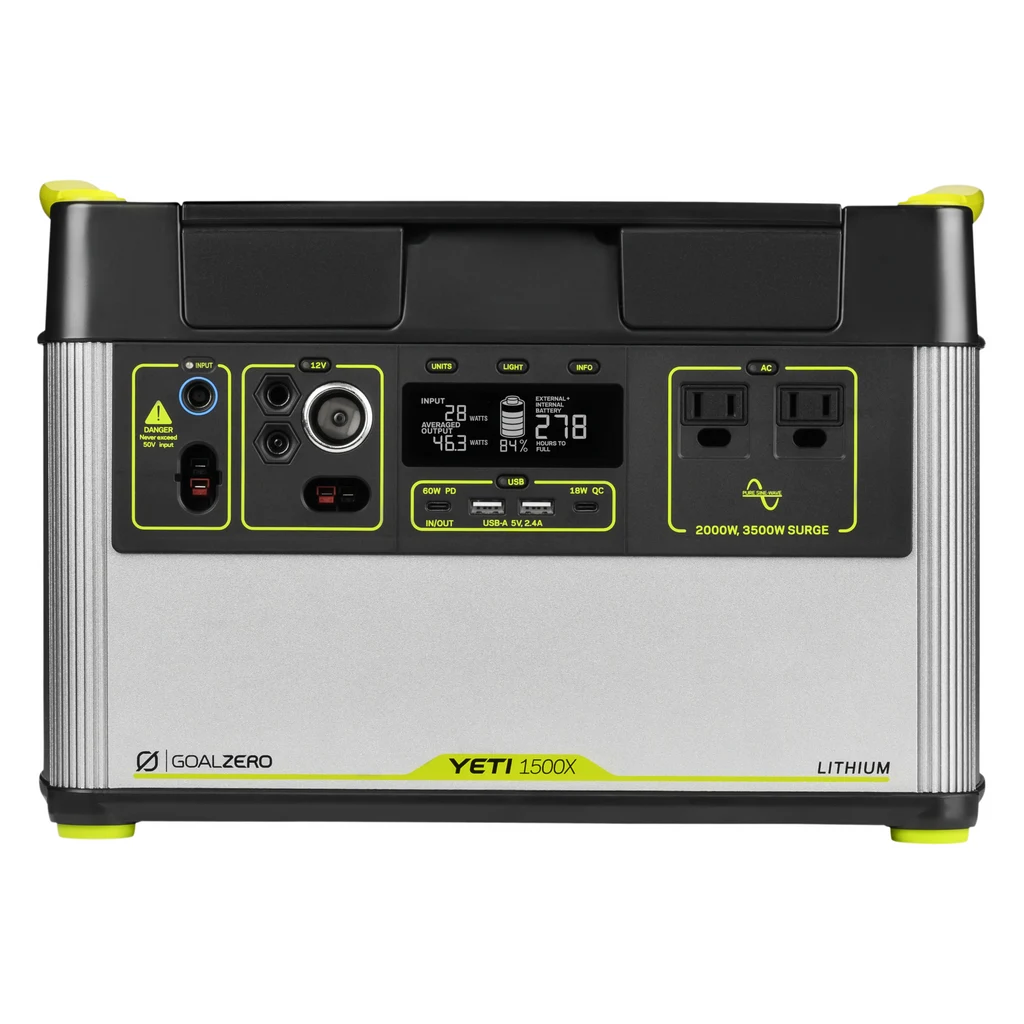
1,516Wh in an aluminum shell, 2,000W output with 3,500W surge, and a decade rated battery. Built for the truck bed, the cabin, and the long outage, with expansion to 3,020Wh.
Full review →If you want dependable backup for a normal outage without paying for capacity you will never touch, the EF ECOFLOW DELTA 2 is the honest midpoint in the EcoFlow range. It stores 1,024Wh of lithium iron phosphate energy and pairs it with a 1,800W inverter that surges to 3,600W, which matches the combined draw of a refrigerator, a router, several lights, and a laptop. A full charge can carry roughly two days of fridge only duty and about a day of mixed essentials, covering most grid failures without careful rationing. A microwave and a kettle can run for short periods, while a window air conditioner or a full kitchen belongs with the larger DELTA 2 Max class. The recharge story is where this station earns its place. A wall charge reaches 80 percent in about 50 minutes, and solar input up to 500W from a single midsize panel can hold the battery near full across a long day. During a rolling outage, that speed means the station is back to useful capacity before the next cut arrives. The EcoFlow app reports state of charge and output from your phone, and the cells are rated for more than 3,000 cycles down to 80 percent, supporting years of standby service. Outlets cover the everyday mix, with four AC sockets, a 100W USB-C port, two USB-A, a vehicle outlet, and a DC barrel jack. One extra battery through the X-Port connection lifts capacity to 3,072Wh, so a household can start at this size and grow later. At about 49 pounds the station loads into a car trunk or a van bed with one person, though a cart still helps on stairs. It suits first time backup buyers, apartment dwellers with a spare corner, and campers who want fast charging and a clear upgrade path at a modest starting point.
Stored energy in the camping lineup
All power stations · Compare · Articles · Guides · Home