ecoflow
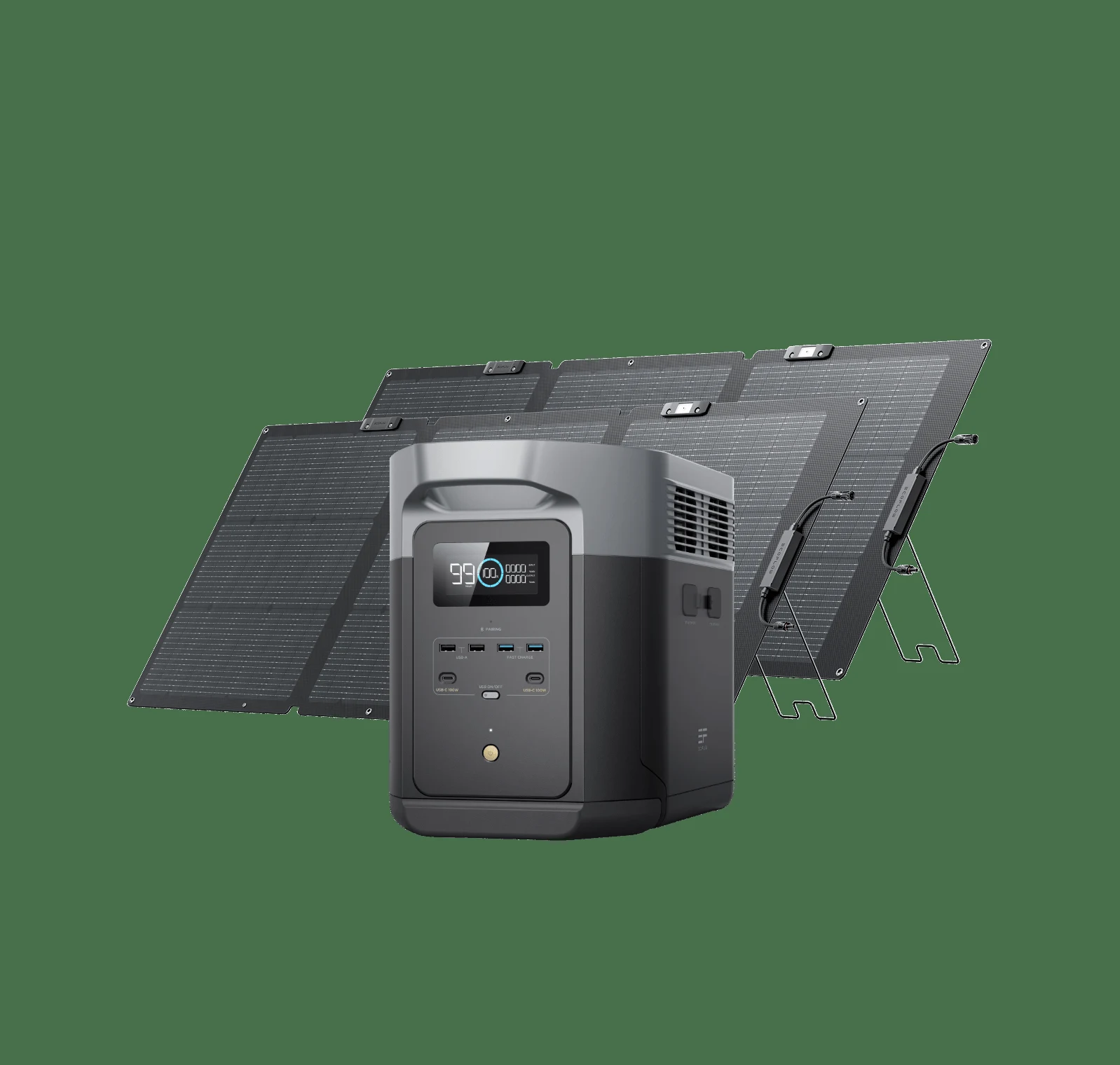
EF ECOFLOW DELTA 2 Max
2,048Wh with 2,400W output, 1,000W solar input, and 80 percent charging in 43 minutes. Built for multi day storms, power tools, and full vehicle RV power.
Full review →
Categories
CampingQuiet electricity for the campsite: lights, phones, a fan, and the coffee maker, without a generator's noiseHome backupWhen the grid drops, essentials stay on: fridge, router, lights in one room, phones charged, medical devicesEvents & on-siteRunning shows, shoots, food stalls, and vendor booths off the grid, with clean power and no fumesEmergency prepThe battery you want charged before the storm: communications, lighting, refrigeration, and medical devicesRV / off-gridHouse power that moves with you: 12-volt ecosystems, solar pairing, and batteries that charge from the12V & jump startThe 12-volt rescue: keeping vehicle accessories, lights, and small 12-volt systems alive when you are the onlyProducts
All power stationsCompare specsAferiyAllpowersAnker SOLIXBLUETTIEcoFlowGeyotoGoal ZeroGrowattJackeryRenogyYEAGULCHArticles
Residential vs Business Portable Power: How to Tell What You Actually NeedPortable Power for a Landscaping Company: Ditching the 200-Foot Extension CordPortable Power for a Food Truck That Wants to Plug In AnywhereRunning Job Site Power Without a GeneratorWhole Home Backup vs Appliance Backup: Pick the Right SizeHow Long Will a Power Station Run: A Practical Planning GuidePairing a Solar Panel for a Power Station: What to MatchPortable Power for Outdoor Events: Weddings and ReceptionsGuides
Portable Power for Camping: The Complete Guide to On-Site ElectricityPortable Power for Home Power Outages: A Real Backup Plan for the GridPortable Power for Events & On-Site Work: Running Shows, Shoots, and Stands Off the GridPortable Power for Emergencies: The Battery You Want Charged Before the StormPortable Power for Jump-Starting a Car & Vehicle PowerPortable Power for RV, Van Life & Off-Grid Living Compare AboutTrust
Affiliate Disclosure Privacy Policy Terms of UseResidential vs business portable power sounds like the same product in two price ranges, but the difference is what each one has to do. A home unit's job is to keep essentials alive when the grid goes down: the fridge, the router, the light

Residential vs business portable power sounds like the same product in two price ranges, but the difference is what each one has to do. A home unit's job is to keep essentials alive when the grid goes down: the fridge, the router, the lights in one room, maybe the freezer. A business unit's job is to replace a wall outlet at a location the wall outlet doesn't exist: a job site, a truck, a stall, a booth.
That split drives two very different buying decisions. For the home, duration matters most. You want enough capacity to run the same small loads for hours, so a 1,000 to 2,000 watt-class station with a few kilowatt-hours of storage is the common fit, and fast wall recharging matters because you have an outlet to recharge from.
For a business, output and portability matter most. A crew running electric trimmers, a miter saw, and a vacuum at once wants steady 1,000+ watts of clean power it can carry to the work, not something bolted to a garage wall. Recharge flexibility matters too, since many job sites have no outlet at all.
The clean way to split residential vs business portable power is to ask what happens when the power stops. If the answer is "I lose comfort," you are shopping residential backup. If the answer is "I lose a shift," you are shopping business power. Sizing, weight, and charging options all follow from that answer, and the home backup pillar in this category walks through residential sizing in depth.
2,048Wh with 2,400W output, 1,000W solar input, and 80 percent charging in 43 minutes. Built for multi day storms, power tools, and full vehicle RV power.
Full review →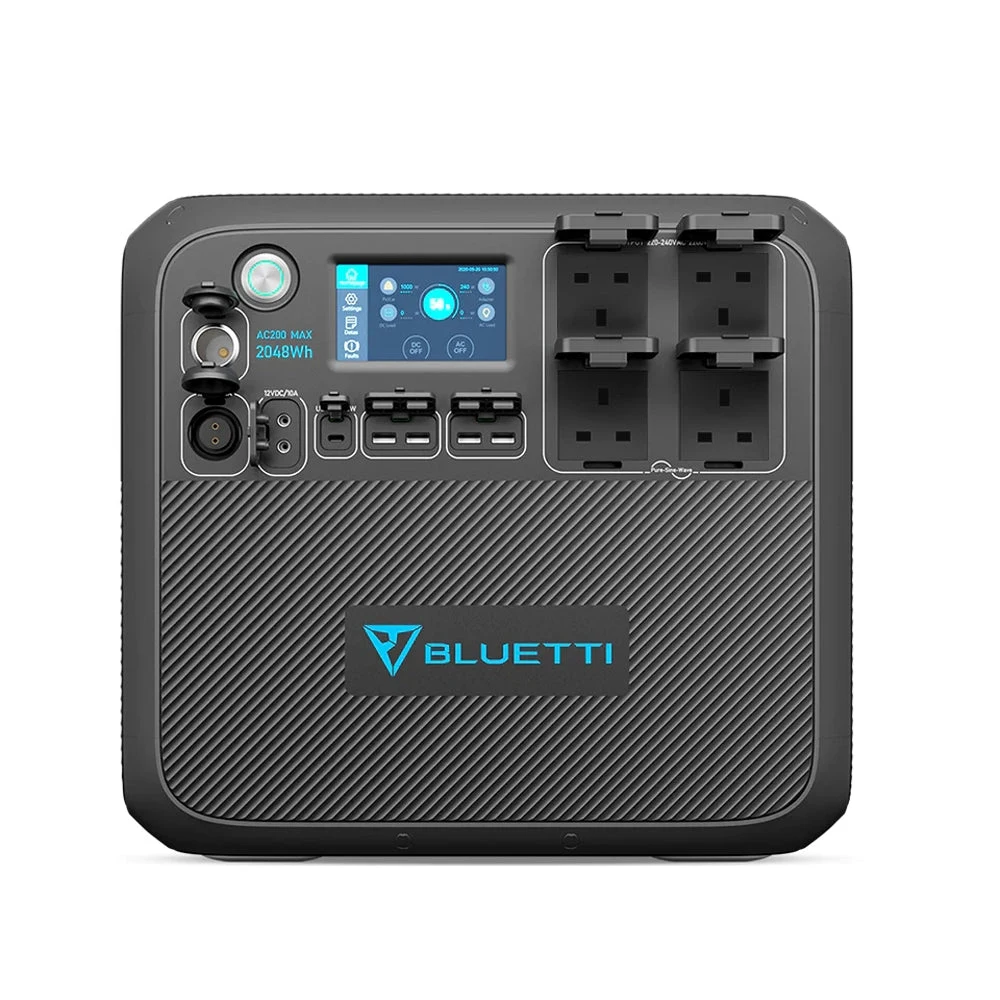
Solar first backup with 900W input, 4,800W surge, and a path to 8,192Wh with three add on batteries. Built for multi day outages, RV shore power, and off grid cabins.
Full review →