anker-solix
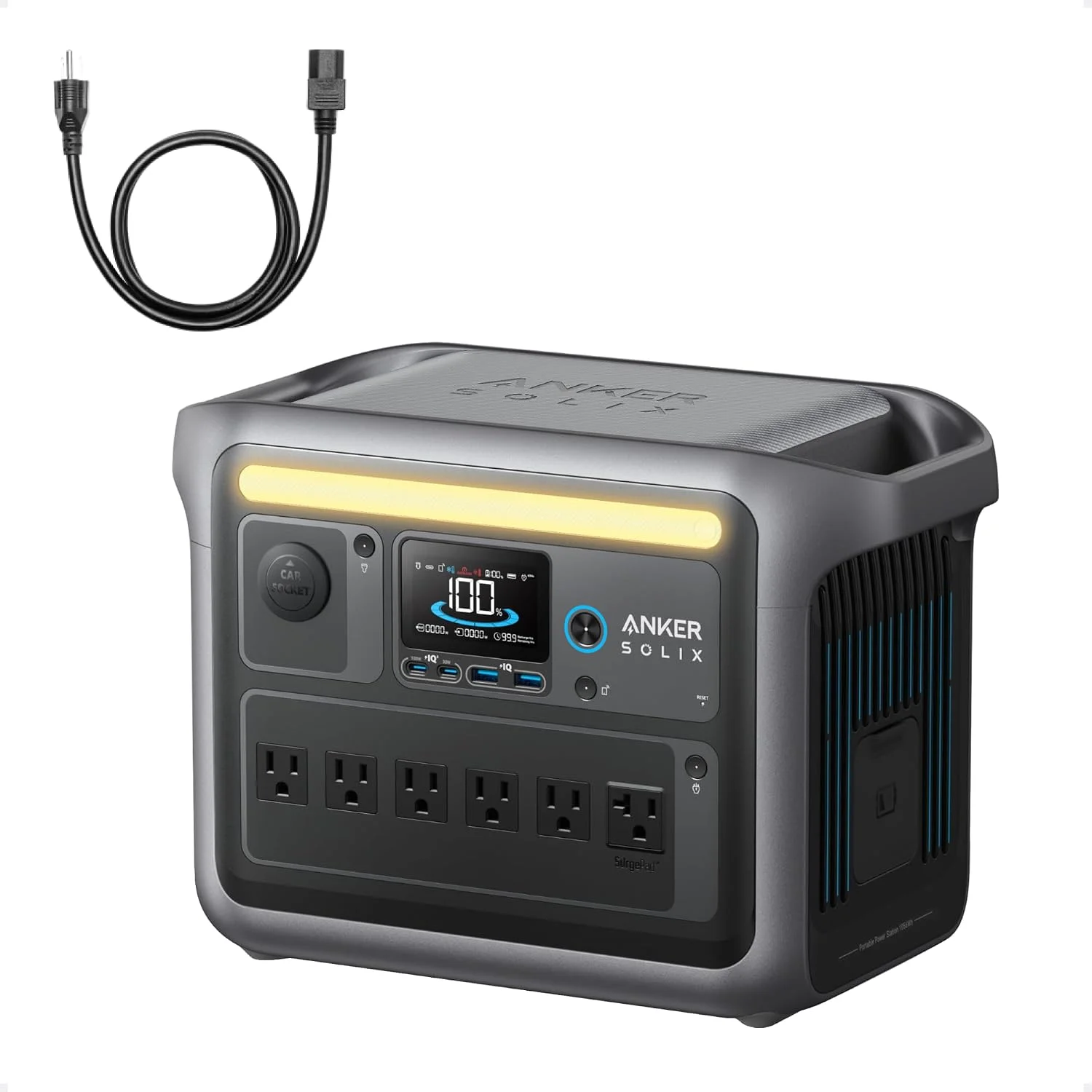
Anker SOLIX C1000
Anker trust with a 15 percent smaller 1kWh body, 80 percent charging in 43 minutes, and a 1,800W inverter. The easy first buy for home backup, camping, and the truck.
Full review →
Categories
CampingQuiet electricity for the campsite: lights, phones, a fan, and the coffee maker, without a generator's noiseHome backupWhen the grid drops, essentials stay on: fridge, router, lights in one room, phones charged, medical devicesEvents & on-siteRunning shows, shoots, food stalls, and vendor booths off the grid, with clean power and no fumesEmergency prepThe battery you want charged before the storm: communications, lighting, refrigeration, and medical devicesRV / off-gridHouse power that moves with you: 12-volt ecosystems, solar pairing, and batteries that charge from the12V & jump startThe 12-volt rescue: keeping vehicle accessories, lights, and small 12-volt systems alive when you are the onlyProducts
All power stationsCompare specsAferiyAllpowersAnker SOLIXBLUETTIEcoFlowGeyotoGoal ZeroGrowattJackeryRenogyYEAGULCHArticles
Residential vs Business Portable Power: How to Tell What You Actually NeedPortable Power for a Landscaping Company: Ditching the 200-Foot Extension CordPortable Power for a Food Truck That Wants to Plug In AnywhereRunning Job Site Power Without a GeneratorWhole Home Backup vs Appliance Backup: Pick the Right SizeHow Long Will a Power Station Run: A Practical Planning GuidePairing a Solar Panel for a Power Station: What to MatchPortable Power for Outdoor Events: Weddings and ReceptionsGuides
Portable Power for Camping: The Complete Guide to On-Site ElectricityPortable Power for Home Power Outages: A Real Backup Plan for the GridPortable Power for Events & On-Site Work: Running Shows, Shoots, and Stands Off the GridPortable Power for Emergencies: The Battery You Want Charged Before the StormPortable Power for Jump-Starting a Car & Vehicle PowerPortable Power for RV, Van Life & Off-Grid Living Compare AboutTrust
Affiliate Disclosure Privacy Policy Terms of UseThe Anker SOLIX F2000, also sold as the PowerHouse 767, is the station to consider when you want 2kWh of backup from a brand whose charging bricks already live in your drawer. It stores 2,048Wh of lithium iron phosphate energy behind a 2,400W inverter with 3,600W of surge, enough to carry a refrigerator, a television, a router, and lighting together while compressor starts stay inside the limit. Anker rates the pack for a ten year design lifespan under its InfiniPower cells, which frames the purchase as a decade of readiness rather than a short cycle gadget. Refilling is straightforward and quick. A wall charge reaches 80 percent in about an hour, and solar input up to 500W keeps the battery climbing during a long outage when mains power is gone. That solar ceiling matters for storm duty, because it lets daylight do the work of keeping essential loads alive after the first evening. The Anker app reports state of charge, output, and battery health to your phone, so you can judge how much runtime remains without walking to the unit in the dark. The outlet layout covers household and travel use in one panel. You get four AC outlets, three USB-C ports with one socket delivering 100W of power delivery for a laptop, two USB-A ports, two 12V vehicle outlets, and a dedicated RV port. At 44.5 pounds and about twenty inches long, this is really a garage or basement appliance that stays in place, and buyers should plan a fixed parking spot with airflow rather than a backpack habit. There is no port for an external expansion battery, so a household that expects to grow past 2,048Wh should look further up the SOLIX range. It suits mainstream buyers who prize quiet, consistent build quality, simple controls, and brand trust over long term expandability. Read the full review below, then check the current offer.

Buying a large power station for home backup usually comes down to two questions: will it survive a decade of sitting ready, and will it be built like the electronics you already trust. The Anker SOLIX F2000 answers the second question first, and that is why it lands on so many first-time buyer lists. Anker has spent years as the default name in consumer electronics, and the SOLIX line carries that reputation into the 2kWh class, so the station feels familiar in hand the way an Anker charger does in a pocket. The F2000 is the brand's flagship for everyday whole-home backup power, and it is not pretending to be anything it is not.
The hardware is straightforward. The 2,048Wh LiFePO4 pack drives a 2,400W inverter with 3,600W of surge headroom, enough to carry a refrigerator, a television, a router, and a desk lamp at the same time while compressor starts stay well inside the limit. Anker rates the pack for a 10-year design lifespan under its InfiniPower cells, the same decade-grade expectation you would want from a device that mostly sits in a garage waiting for a bad day. The 0-80 percent wall recharge takes about an hour, and up to 500W of solar input keeps the battery topped up during an outage that stretches past a single evening.
**For readers who cannot picture themselves wiring a large power station for home backup, the F2000's port layout removes most of the guesswork.** Four AC outlets, three USB-C sockets with one running 100W of PD for a laptop, two USB-A ports, two 12V car outlets, and a dedicated RV port cover nearly every plug a household or a motorhome throws at it. The Anker app reports charge level, output, and battery health from a phone, which is the kind of polish mainstream buyers expect without having to ask for it. At 44.5 pounds and about two feet long, this is a basement or garage appliance, not a carry-around, and it should be shopped as a semi-permanent install.
The honest trade is capacity: the F2000 does not accept an external expansion battery, so a buyer who wants to scale past 2,048Wh has to move up a class entirely. For a first-time buyer who wants a large power station for home backup from a brand they already trust, and for anyone who values quiet, consistent build quality over maximum expandability, the F2000 is the lowest-risk entry into the high-capacity group, and the Anker product page is where the current price and bundle options are posted.
Buying a large station for home backup comes down to two fears: will the battery fade before the bad year arrives, and will the brand stand behind it when it does. The F2000 answers both with InfiniPower LiFePO4 cells rated for a 10 year design lifespan and the Anker name that first time buyers already trust in their pockets. For a household that wants whole home essentials from a familiar brand rather than a gamble on an unknown label, that combination is the shortest path to a confident purchase.
The port layout removes the guesswork that stops non technical buyers. Four AC outlets, three USB-C ports with 100W power delivery for a laptop, two USB-A sockets, two 12V car outlets, and a dedicated RV port cover nearly every plug a household or a motorhome throws at the unit. The Anker app reports charge, output, and battery health from a phone, which is the polish mainstream buyers expect without having to ask for it.
The hour long wall charge is the first time saver. Zero to 80 percent in about an hour means a station that drained overnight is back to useful capacity before the evening news, and the battery is ready for whatever the evening brings. During a rolling outage that speed is the difference between peeking at the charge level and actually trusting it.
Up to 500W of solar input is the second path, and the app is the third. A mid size panel can hold the battery near full through a bright outage day, stretching a single charge into several days of essentials. Meanwhile the app turns charge checks into a glance instead of a walk to the garage, which keeps the Saturday top up habit alive.
This is a fixed capacity tier with no external battery expansion, so think of the choice as which 2kWh class you want. Check the warranty length, the bundle contents, and whether the solar panels are included or priced separately, because the gap between station only and full kit bundles is large. Size for the refrigerator, router, television, and lights, and accept that growing past 2,048Wh means moving up a class rather than bolting on a pack.
This fits a mainstream household that wants a large station for home backup from a trusted brand, plus everyday camping and RV use. It suits non technical buyers who want ports that cover the whole household without adapters. It does not fit buyers who want to scale past 2kWh with add on batteries, and it is not a carry around unit at 44.5 pounds, so it should be shopped as a garage or basement install.
Will a 2,400W inverter start a freezer or a sump pump. Yes, because the 3,600W surge ceiling covers the startup draw that trips smaller inverters. A fridge compressor and a TV plus lights sit comfortably inside the running limit, and motors start without flinching. The surge is the spec to read first for any appliance with a motor.
How long will it run a fridge and a TV together. A realistic essentials load stretches a full charge through a long evening and into the next morning, and the 500W solar input can refresh the battery the following day. Run time depends on exactly what stays plugged in, so a household that keeps the list to fridge, router, TV, and lights gets the longest coverage.
Why does the dedicated RV port matter. It feeds a motorhome shore power load directly without an adapter between the station and the vehicle. For an RV household that also wants home backup, the port means one box serves both jobs. The cable and the season decide the value, but the port costs nothing to have and everything to miss.
Against bargain 2kWh stations the F2000 trades a low sticker price for brand trust and app polish. Unknown labels can undercut it, but they rarely match the InfiniPower 10 year rating, the RV port, or the app that reports battery health. A first time buyer who wants the lowest risk entry into the high capacity group is buying the trust along with the watts.
Against expandable 2kWh rivals the F2000 trades growth for simplicity. Modular stations let you add batteries later, which matters for multi day coverage, while this unit fixes capacity at 2,048Wh and spends the budget on build quality instead. Choose expansion when the outage history is long, and choose this station when everyday reliability and a simple install matter more.
A common mistake is shopping for this station as if it were a small carry around for the campsite. At 44.5 pounds and about two feet long, it is a garage or basement appliance that should be given a permanent spot. Plan the install, route the cables, and keep the unit where you can reach it, rather than expecting it to travel in a backpack.
A second mistake is storing the battery at full charge for the long quiet stretches between outages. LiFePO4 prefers a mid range storage level, so park the station around half charge and top it up twice a year. A battery that sits at 100 percent in a hot garage ages faster than one that rests in the middle of its range.
Get the most from this setup by installing it where it will actually be used. A fixed garage spot with a short cable run to the fridge and router beats a unit that migrates between rooms. Test the load list on a calm Saturday, confirm the inverter holds, and write the outage list on a card taped to the unit so nobody has to guess during a storm.
A second habit is letting the app do the babysitting. Set a phone reminder to check the charge level each quarter, and glance at battery health at the same time. The station is rated for a decade of standby, but only if the storage habits match the rating, and the app makes those habits effortless.
Keep the battery at a mid range charge during storage, run a full cycle a couple of times a year, and keep the vents clear of dust so the cooling fans hold up under load. Store the unit in a dry, temperate spot rather than a freezing shed, and check the app's battery health readout each quarter to catch any drift early while the 10 year design still has room to run.
Links open the official listing. Price, terms, and availability can change, so the live page is the source of truth.
Same situation, different option. Worth comparing before you decide.
Anker trust with a 15 percent smaller 1kWh body, 80 percent charging in 43 minutes, and a 1,800W inverter. The easy first buy for home backup, camping, and the truck.
Full review →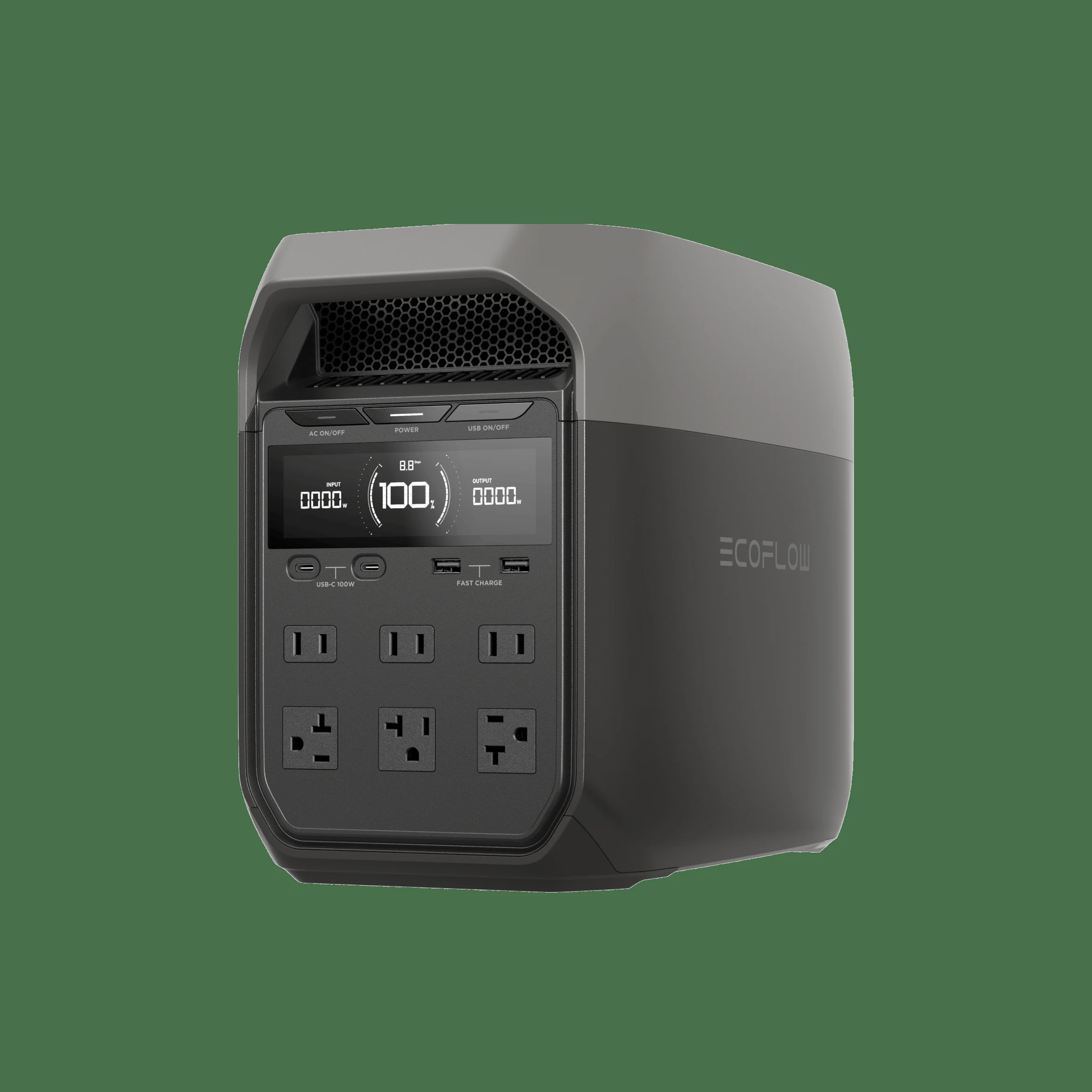
Budget home backup with 1,024Wh, 1,800W output, 50 minute charging, and a path to 3,072Wh. It covers a fridge, router, and lights through a typical outage, then grows later.
Full review →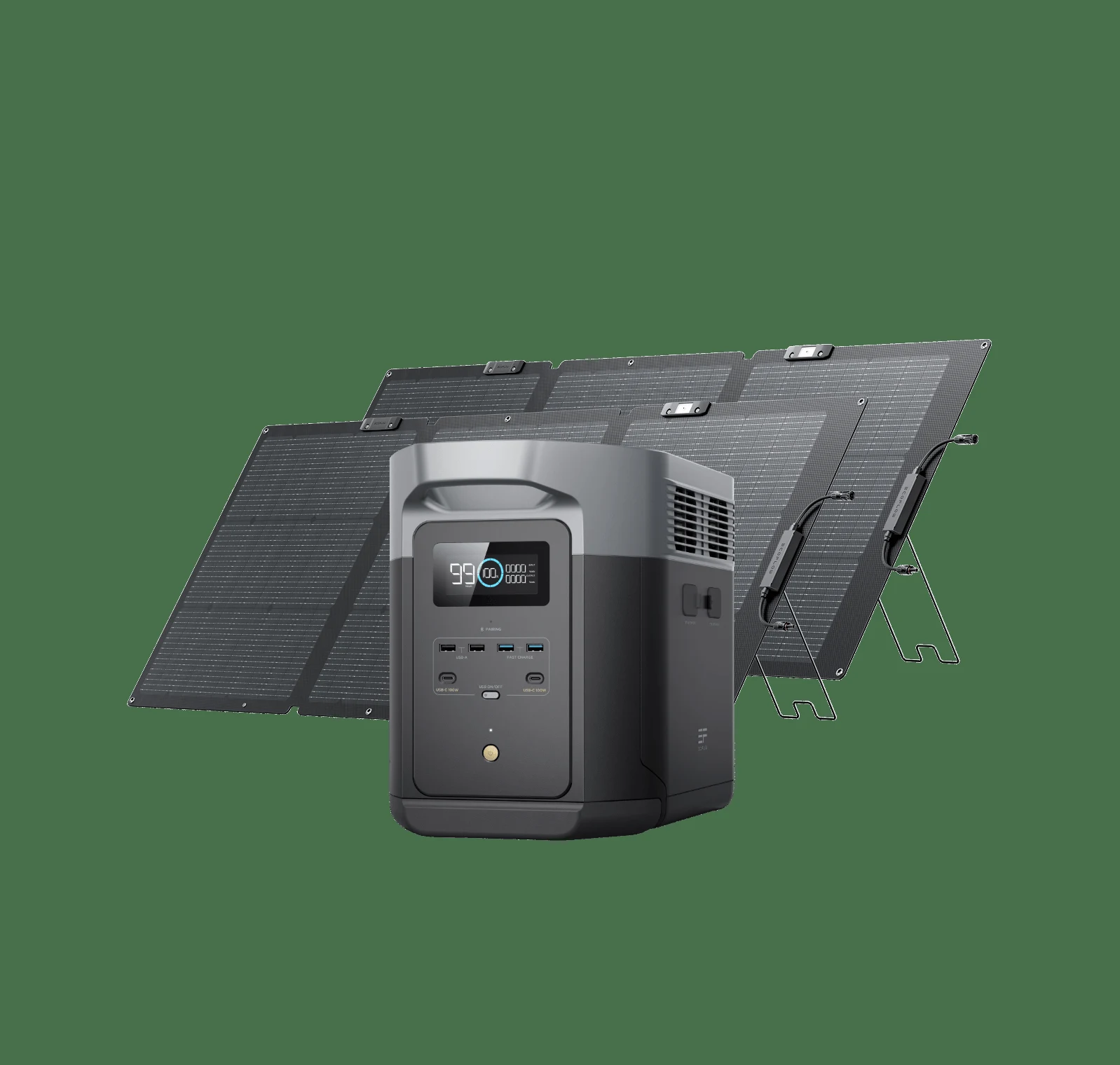
2,048Wh with 2,400W output, 1,000W solar input, and 80 percent charging in 43 minutes. Built for multi day storms, power tools, and full vehicle RV power.
Full review →