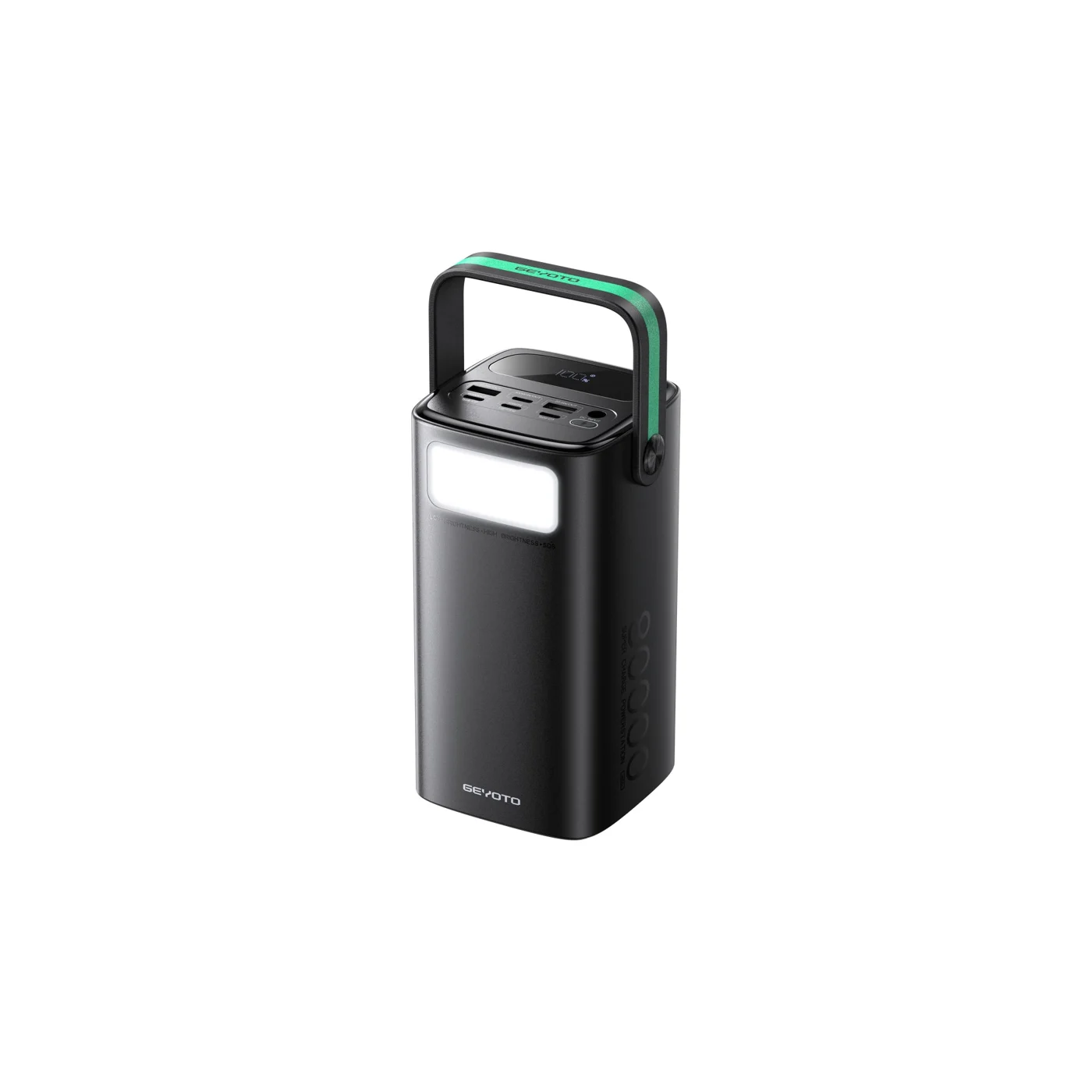
geyoto
GEYOTO C260 DC Portable Power Station
256Wh of DC power in 3.64 pounds, with a 100W USB-C port that fills a laptop or recharges the unit itself. No AC outlets, no inverter overhead, just pocket sized USB power.
Full review →
Categories
CampingQuiet electricity for the campsite: lights, phones, a fan, and the coffee maker, without a generator's noiseHome backupWhen the grid drops, essentials stay on: fridge, router, lights in one room, phones charged, medical devicesEvents & on-siteRunning shows, shoots, food stalls, and vendor booths off the grid, with clean power and no fumesEmergency prepThe battery you want charged before the storm: communications, lighting, refrigeration, and medical devicesRV / off-gridHouse power that moves with you: 12-volt ecosystems, solar pairing, and batteries that charge from the12V & jump startThe 12-volt rescue: keeping vehicle accessories, lights, and small 12-volt systems alive when you are the onlyProducts
All power stationsCompare specsAferiyAllpowersAnker SOLIXBLUETTIEcoFlowGeyotoGoal ZeroGrowattJackeryRenogyYEAGULCHArticles
Residential vs Business Portable Power: How to Tell What You Actually NeedPortable Power for a Landscaping Company: Ditching the 200-Foot Extension CordPortable Power for a Food Truck That Wants to Plug In AnywhereRunning Job Site Power Without a GeneratorWhole Home Backup vs Appliance Backup: Pick the Right SizeHow Long Will a Power Station Run: A Practical Planning GuidePairing a Solar Panel for a Power Station: What to MatchPortable Power for Outdoor Events: Weddings and ReceptionsGuides
Portable Power for Camping: The Complete Guide to On-Site ElectricityPortable Power for Home Power Outages: A Real Backup Plan for the GridPortable Power for Events & On-Site Work: Running Shows, Shoots, and Stands Off the GridPortable Power for Emergencies: The Battery You Want Charged Before the StormPortable Power for Jump-Starting a Car & Vehicle PowerPortable Power for RV, Van Life & Off-Grid Living Compare AboutTrust
Affiliate Disclosure Privacy Policy Terms of UseIf you want dependable backup for a normal outage without paying for capacity you will never touch, the EF ECOFLOW DELTA 2 is the honest midpoint in the EcoFlow range. It stores 1,024Wh of lithium iron phosphate energy and pairs it with a 1,800W inverter that surges to 3,600W, which matches the combined draw of a refrigerator, a router, several lights, and a laptop. A full charge can carry roughly two days of fridge only duty and about a day of mixed essentials, covering most grid failures without careful rationing. A microwave and a kettle can run for short periods, while a window air conditioner or a full kitchen belongs with the larger DELTA 2 Max class. The recharge story is where this station earns its place. A wall charge reaches 80 percent in about 50 minutes, and solar input up to 500W from a single midsize panel can hold the battery near full across a long day. During a rolling outage, that speed means the station is back to useful capacity before the next cut arrives. The EcoFlow app reports state of charge and output from your phone, and the cells are rated for more than 3,000 cycles down to 80 percent, supporting years of standby service. Outlets cover the everyday mix, with four AC sockets, a 100W USB-C port, two USB-A, a vehicle outlet, and a DC barrel jack. One extra battery through the X-Port connection lifts capacity to 3,072Wh, so a household can start at this size and grow later. At about 49 pounds the station loads into a car trunk or a van bed with one person, though a cart still helps on stairs. It suits first time backup buyers, apartment dwellers with a spare corner, and campers who want fast charging and a clear upgrade path at a modest starting point. Read the full review below, then check the current offer.
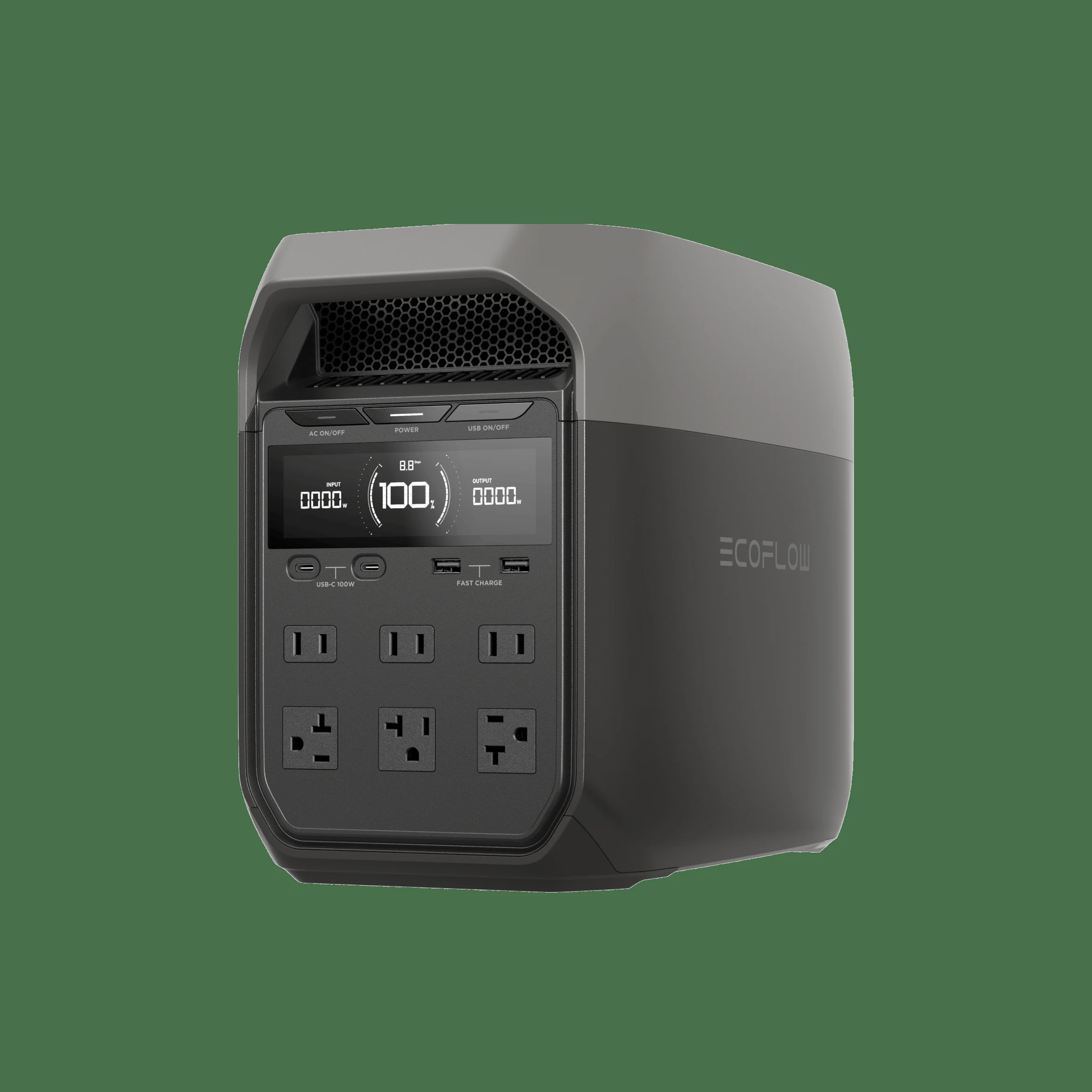
If you only want enough home backup on a budget to ride out a typical outage, the EF ECOFLOW DELTA 2 is the most honest answer in EcoFlow's lineup. It pairs a 1,024Wh LiFePO4 battery with a 1,800W inverter (3,600W surge), which is precisely the output a refrigerator, a router, a few lights, and a laptop draw at the same time, and it stops there on purpose. You are not paying for headroom you will never use, and at about 49 pounds the station still loads into a car trunk or a van bed without a second person.
The math behind a typical outage works out simply: a full DELTA 2 carries roughly two days of fridge duty by itself, and a day or so of fridge-plus-router-plus-lights combined, which covers the vast majority of grid failures without anyone rationing power. As portable power for outages, the 1,800W ceiling handles a microwave in short bursts and a coffee maker, but it will not run a window air conditioner or a full kitchen, and anyone shopping for those loads should move up to the DELTA 2 Max or the DELTA 3 instead of hoping this one stretches. That line between what it does and does not do is the whole reason to choose it.
**Recharge speed is where the DELTA 2 earns its place among mid-size power stations.** EcoFlow's wall charge reaches 0-80 percent in about 50 minutes, and 500W of solar input lets a single mid-size panel hold the battery near-full through a long day. For most buyers, that is exactly the home backup on a budget that covers the next storm without overspending on capacity they will never use. During a rolling outage, the unit is back to useful capacity before the next outage arrives, which is the quiet difference between a backup you trust and one that quietly fades. The LiFePO4 cells are rated for 3,000-plus cycles to 80 percent, so the battery is a decade-grade component that ages with the house rather than a two-year throwaway.
The port layout is generous for the class: four AC outlets, a 100W USB-C socket, two USB-A, a 12V car port, a DC5521 jack, and an X-Port that accepts one add-on battery to lift capacity to 3,072Wh. That escape hatch matters more than it looks. It lets a buyer start at the DELTA 2 price, live there, and add a battery later when the weather events stop being short. For a reader who wants home backup on a budget that still covers camping and RV overnights, the DELTA 2 is the middle of the EcoFlow line and the one to start with, with the current price best confirmed on the official product page.
In EcoFlow's lineup the DELTA 2 is the station that stops at the right place on purpose. A 1,024Wh LiFePO4 battery with a 1,800W inverter covers the refrigerator, the router, a few lights, and a laptop at the same time, and it refuses to charge a premium for output a typical outage never needs. For a reader who wants enough home backup on a budget to ride out a typical outage, that honesty is the whole appeal, because every dollar not spent on unused headroom is a dollar the station can spend on cells and warranty.
The escape hatch on the back matters more than it looks. An X Port accepts one add on battery, lifting capacity to 3,072Wh, so a buyer can start at the DELTA 2 price, live there through a season of short outages, and add the battery later when the weather events stop being short. That staged path is why this model sits in the middle of the line as the one to start with, rather than a dead end for the first timer.
Recharge speed is where the DELTA 2 earns its place among mid size stations. Wall charge reaches 0 to 80 percent in about 50 minutes, and 500W of solar input lets a single mid size panel hold the battery near full through a long day. During a rolling outage the unit is back to useful capacity before the next outage arrives, which is the quiet difference between a backup you trust and one that quietly fades.
The 3,000 plus cycle LiFePO4 rating turns the recharge habit into a decade plan instead of a two year gamble. A battery that ages with the house rather than expiring with the gadget cycle means the fast charges of many summers are budget rather than damage. Battery life is what makes the budget math work over ten years.
Think in two tiers: the base station covers a typical outage, and the add on battery covers the long one. Confirm the warranty terms before you buy, and check whether a solar panel is bundled or priced separately, because the kit math changes fast in this class. Size for the fridge, router, lights, and laptop, and accept that a window air conditioner means moving up a class rather than hoping this one stretches.
This fits a household that wants budget home backup for a typical outage, plus camping and RV overnights. It suits fridge, router, lights, and laptop duty, with a microwave in short bursts. It does not fit a window air conditioner or a full kitchen, and buyers planning those loads should move to the DELTA 2 Max or a larger class instead of stretching this one.
How far does 1,024Wh actually go in an outage. A full DELTA 2 carries roughly two days of fridge duty by itself, and a day or so of fridge plus router plus lights combined. That covers the vast majority of grid failures without anyone rationing power. Solar input stretches it through longer events by refilling during the day.
Will the 1,800W inverter run a microwave. Yes in short bursts, and it will run a coffee maker as well, because the 3,600W surge covers the startup draw. It will not run a window air conditioner or a full kitchen, and trying will trip the inverter. Use the microwave in bursts and keep the always on list to fridge, router, and lights.
What does the X Port expansion buy you later. One add on battery lifts capacity from 1,024Wh to 3,072Wh, which triples the reserve without replacing the station. That escape hatch lets a buyer start at the base price and grow when the outage history demands it. It is a cheaper path than a larger station if the growth is uncertain.
Against smaller 500Wh rivals the DELTA 2 trades lightness for a full day of essentials. A smaller station is lighter and cheaper but runs a fridge for hours rather than a day or two, which misses the point of an outage backup. If the goal is covering the typical storm, the 1kWh class is the floor, and this station is the honest entry in it.
Against 2kWh rivals the DELTA 2 trades capacity for price and portability. A larger station covers more loads for longer, but costs far more and weighs far more. The DELTA 2 wins when the load list is fridge, router, lights, and laptop, and it loses when the household needs the fridge, TV, and a space heater together. That line is the whole reason to choose it.
A common mistake is plugging in every appliance because the inverter seems generous. A 1,024Wh battery is a rationing tool, and a space heater or a kettle on top of the fridge will drain it in an hour. Keep the outage list to essentials and run high draw appliances one at a time.
A second mistake is ignoring the solar path until the outage. A station that only ever charges from the wall is a one night reserve, while 500W of solar input turns it into a multi day system. Test a panel at home before the season starts so the connectors are familiar when the sky is the only source left.
Get the most from this setup by writing the outage list and taping it to the unit. Fridge, router, lights, laptop, in that order, with everything else as a luxury that waits for grid power. A household that agrees on the list before the storm spends the outage on the essentials rather than arguing over the kettle.
A second habit is keeping the station at a mid range charge in storage and topping it up twice a year. The 3,000 plus cycle rating assumes reasonable storage, not a year at zero percent in a shed. A station that is checked quarterly stays a decade grade component instead of a two year gamble.
Store the battery at a mid range charge, cycle it fully a couple of times a year, and keep the vents clear of dust so the cooling system holds up. The LiFePO4 cells reward a temperate, dry spot and a regular top up, and they punish a battery left empty in a hot garage until the morning of the storm.
Links open the official listing. Price, terms, and availability can change, so the live page is the source of truth.
Same situation, different option. Worth comparing before you decide.
256Wh of DC power in 3.64 pounds, with a 100W USB-C port that fills a laptop or recharges the unit itself. No AC outlets, no inverter overhead, just pocket sized USB power.
Full review →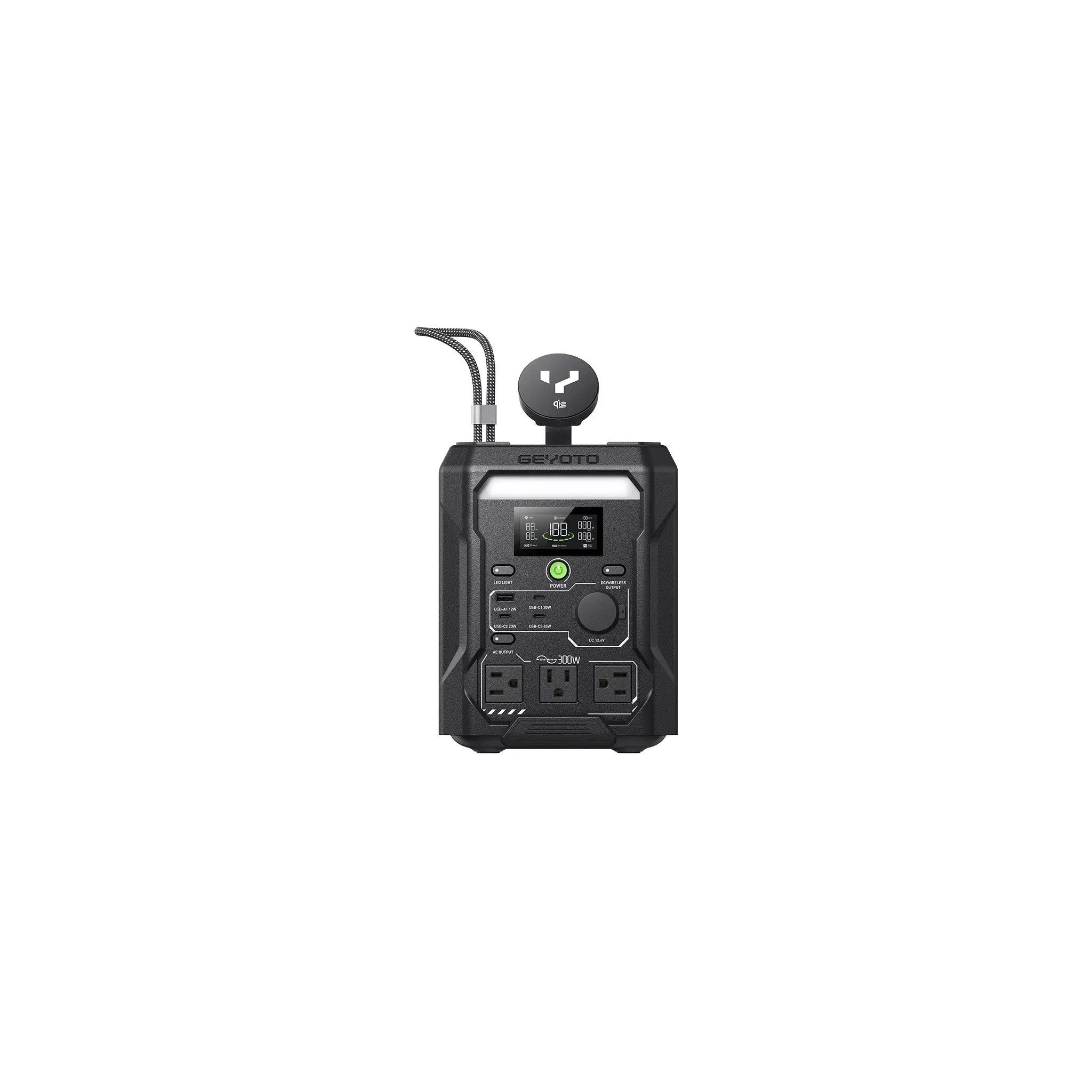
256Wh in 7.72 pounds with nine ports, a 300W inverter, and a wireless charging pad. A one bag travel station for laptops, phones, cameras, and a router through the night.
Full review →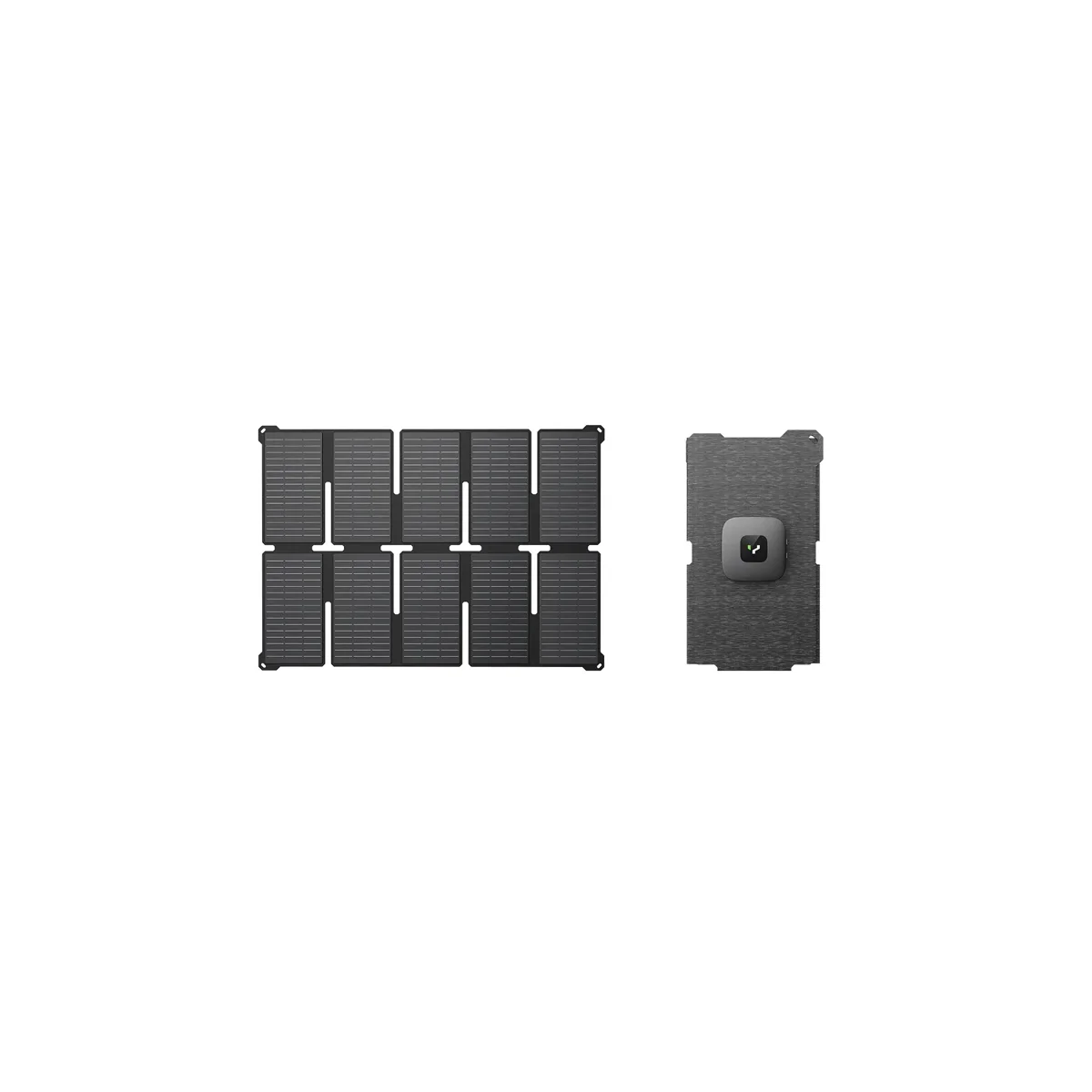
35W of direct solar charging in 1.54 pounds, folding small enough for a jacket pocket. It keeps a phone, earbuds, and a camera alive on the trail with no station in the loop.
Full review →