ecoflow
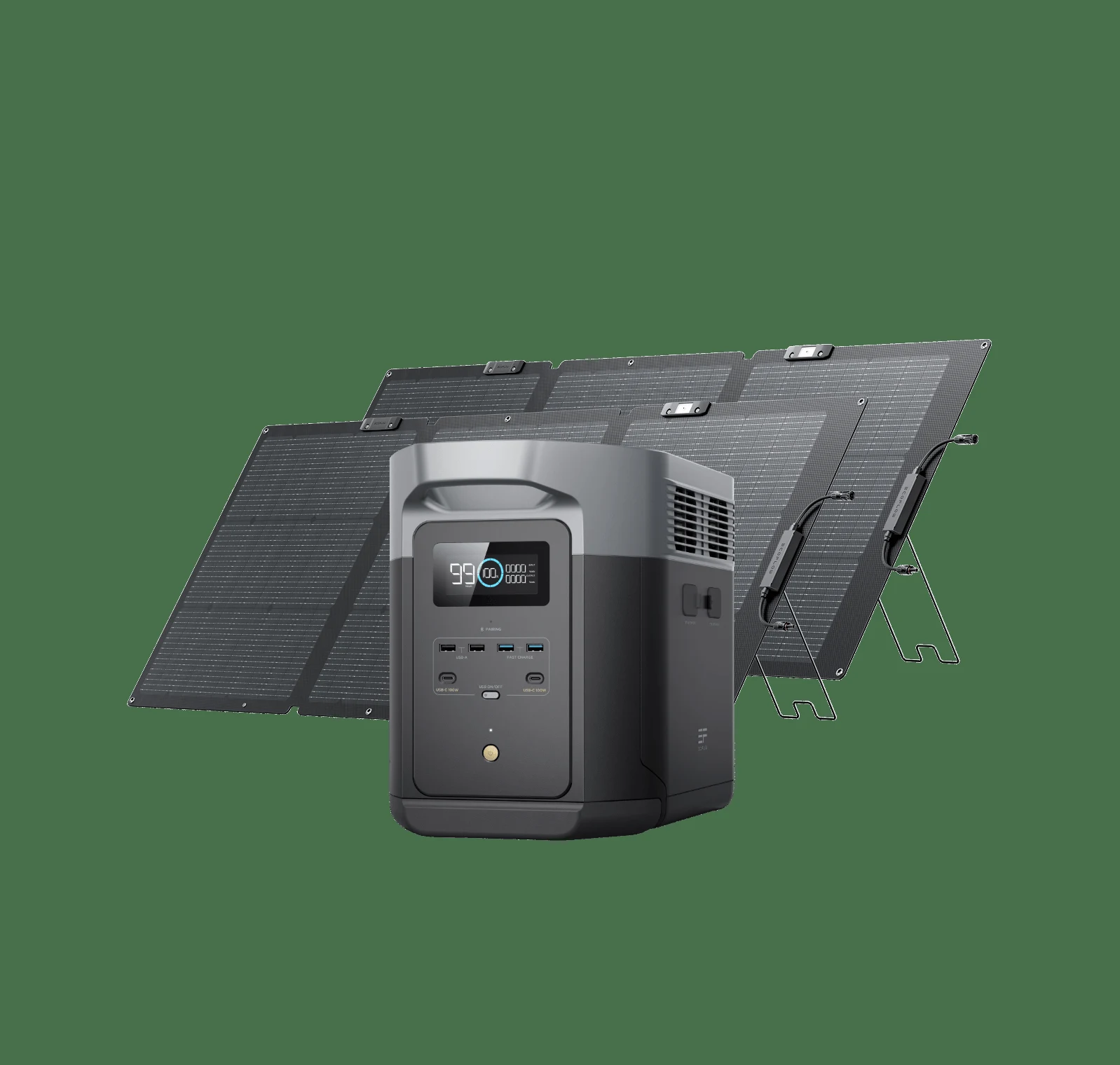
EF ECOFLOW DELTA 2 Max
2,048Wh with 2,400W output, 1,000W solar input, and 80 percent charging in 43 minutes. Built for multi day storms, power tools, and full vehicle RV power.
Full review →
Categories
CampingQuiet electricity for the campsite: lights, phones, a fan, and the coffee maker, without a generator's noiseHome backupWhen the grid drops, essentials stay on: fridge, router, lights in one room, phones charged, medical devicesEvents & on-siteRunning shows, shoots, food stalls, and vendor booths off the grid, with clean power and no fumesEmergency prepThe battery you want charged before the storm: communications, lighting, refrigeration, and medical devicesRV / off-gridHouse power that moves with you: 12-volt ecosystems, solar pairing, and batteries that charge from the12V & jump startThe 12-volt rescue: keeping vehicle accessories, lights, and small 12-volt systems alive when you are the onlyProducts
All power stationsCompare specsAferiyAllpowersAnker SOLIXBLUETTIEcoFlowGeyotoGoal ZeroGrowattJackeryRenogyYEAGULCHArticles
Residential vs Business Portable Power: How to Tell What You Actually NeedPortable Power for a Landscaping Company: Ditching the 200-Foot Extension CordPortable Power for a Food Truck That Wants to Plug In AnywhereRunning Job Site Power Without a GeneratorWhole Home Backup vs Appliance Backup: Pick the Right SizeHow Long Will a Power Station Run: A Practical Planning GuidePairing a Solar Panel for a Power Station: What to MatchPortable Power for Outdoor Events: Weddings and ReceptionsGuides
Portable Power for Camping: The Complete Guide to On-Site ElectricityPortable Power for Home Power Outages: A Real Backup Plan for the GridPortable Power for Events & On-Site Work: Running Shows, Shoots, and Stands Off the GridPortable Power for Emergencies: The Battery You Want Charged Before the StormPortable Power for Jump-Starting a Car & Vehicle PowerPortable Power for RV, Van Life & Off-Grid Living Compare AboutTrust
Affiliate Disclosure Privacy Policy Terms of Use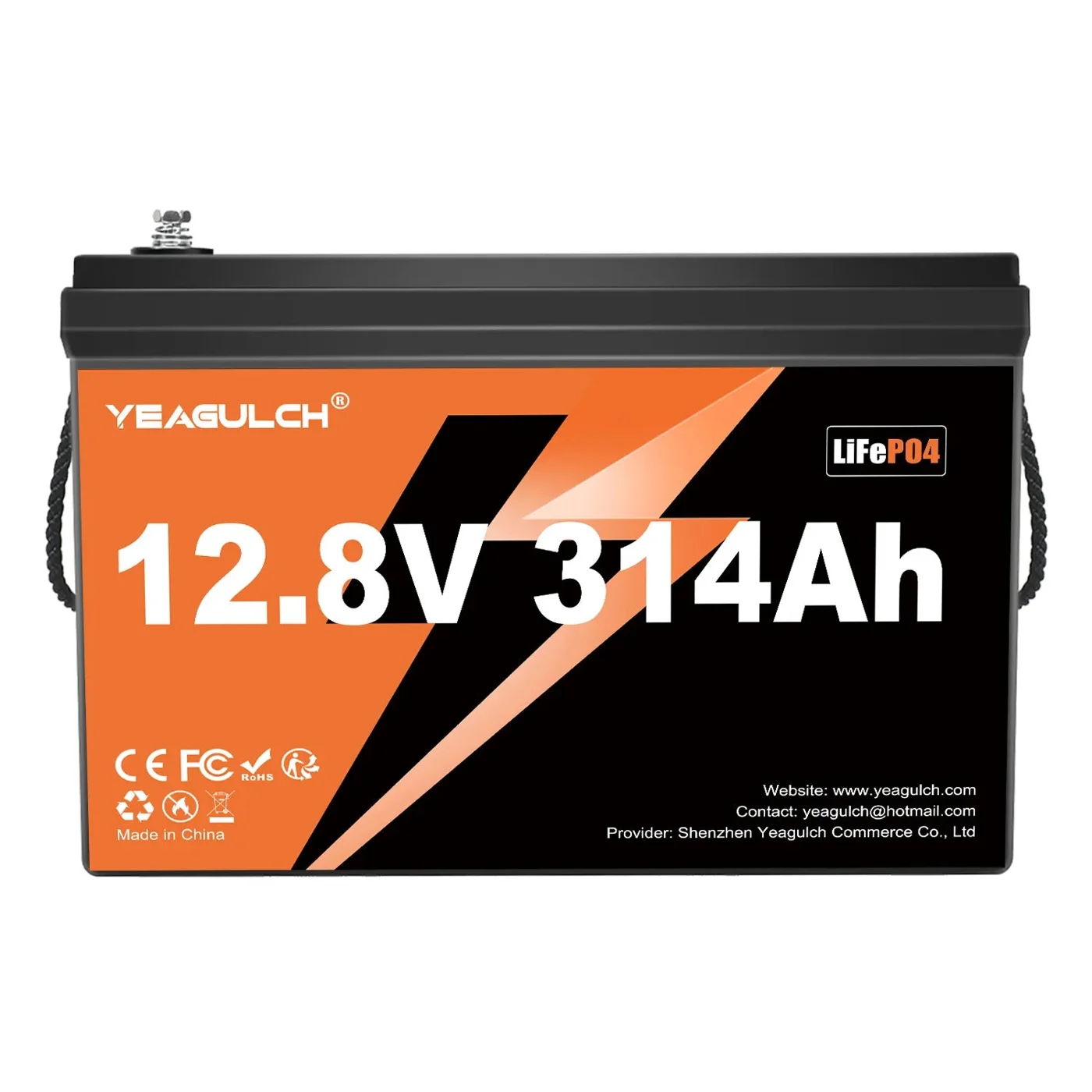
Portable Power for RV, Van Life & Off-Grid Living
The 12-Volt Ecosystem
For a van build, pair a 12-volt mid-size station with a 100 to 200 watt solar panel to close the recharge loop.
For a full RV or cabin, choose a modular high-capacity system (EcoFlow DELTA Pro, Bluetti AC, Jackery HomePower) so you can add batteries as loads grow.
Renogy is the standard answer for 12-volt lithium banks and complete RV kits.
For a full-time or part-time RVer, or anyone living in a van or a small off-grid cabin, portable power is not an accessory, it is the electrical system. The requirements here are fundamentally different from a camper who simply wants to charge a phone. You are running a continuous 12 or 24-volt load all day, you often do not have a reliable wall outlet to recharge from, and you want the system to scale as your loads grow, whether that means adding a larger refrigerator, a small induction stove, a water pump, or enough lighting and device charging to make a small off-grid space genuinely livable. That is where the 12-volt ecosystem, the lithium battery options, and the modular solar-and-storage builds from the portable power brands start to matter, and where the category moves from nice to carry to how we live.
The sizing conversation for an RV or off-grid build is really a conversation about two numbers: capacity, which is how many watt-hours of energy you store, and the solar array size, which is how fast you can refill them. A small van-living setup that charges devices, runs an LED light bank, and powers a small 12-volt fridge can be carried by a mid-size station plus a 100 to 200 watt folding solar array. A full RV conversion or a small off-grid cabin leans on the larger 100 to 200 amp-hour lithium bank options and the modular systems, because the goal in those builds is to carry the whole house load, not just the camping load. The brands that matter here are the ones with a real 12-volt ecosystem and a modular path: Renogy's lithium banks and RV kits, Bluetti and SoreinPower's modular expansion systems, and the large high-capacity generators that can also serve as the central house battery in a small build.
The reason a portable power station is increasingly the default off-grid starting point is that it is the fastest path to a usable system that you can actually use this weekend. You can run a small setup now, and then, over time, add capacity and solar to it, which is exactly the way most people actually build an off-grid system, in stages, as they learn what they need. A 12-volt station plus a matching folding solar panel is also the only setup that can be recharged while driving or while parked in the sun, which is the whole point of off-grid. You are not dependent on a pedestal at a full hook-up campsite, and you are not carrying a fuel generator to a site that may not even let one run. The battery recharges from the sky, and the loads run from the battery, in a closed loop that is quiet, clean, and completely under your control.
The other thing that makes a modular system the natural end goal for an off-grid or RV build is the path to whole-house loads. A single mid-size station can serve the everyday loads of a small van build, but a full RV with a 20-amp service, an inverter, a 100-amp house battery, and a small induction stove is a different animal, and that is the point where the modular high-capacity systems from EcoFlow, Bluetti, and Jackery become the sensible choice, because you can start with the base unit and add expansion batteries as the budget allows, rather than buying a fixed-size box that you either outgrow or underuse. That scalability is the difference between a camping battery and a real power system for an off-grid life.
The brand choices for RV and van life track the two needs of the category, the 12-volt ecosystem for the small end, and the modular scalability for the large end. Renogy is the standard answer for a 12-volt build, because the lithium banks, the 100 to 800 watt solar panels, and the complete RV kits are exactly the components a converter buys. For the modular, larger end, EcoFlow's DELTA Pro with expansion batteries, Bluetti's AC-series modular builds, and Jackery's higher-capacity HomePower series are the choices that actually work for a real off-grid or full RV. For someone starting out, the honest recommendation is to buy the mid-size station that fits the van build today, add a matching solar panel, and plan for the expansion later. That staged approach is how a real off-grid system gets built, and it is the reason a portable power station has become the default starting point for van life and off-grid living rather than a fixed-size, one-size-fits-all box.
2,048Wh with 2,400W output, 1,000W solar input, and 80 percent charging in 43 minutes. Built for multi day storms, power tools, and full vehicle RV power.
Full review →
Anker 2kWh backup with a decade rated battery, four AC outlets, three USB-C ports, and a dedicated RV outlet. Familiar, quiet, and built to sit ready for a decade.
Full review →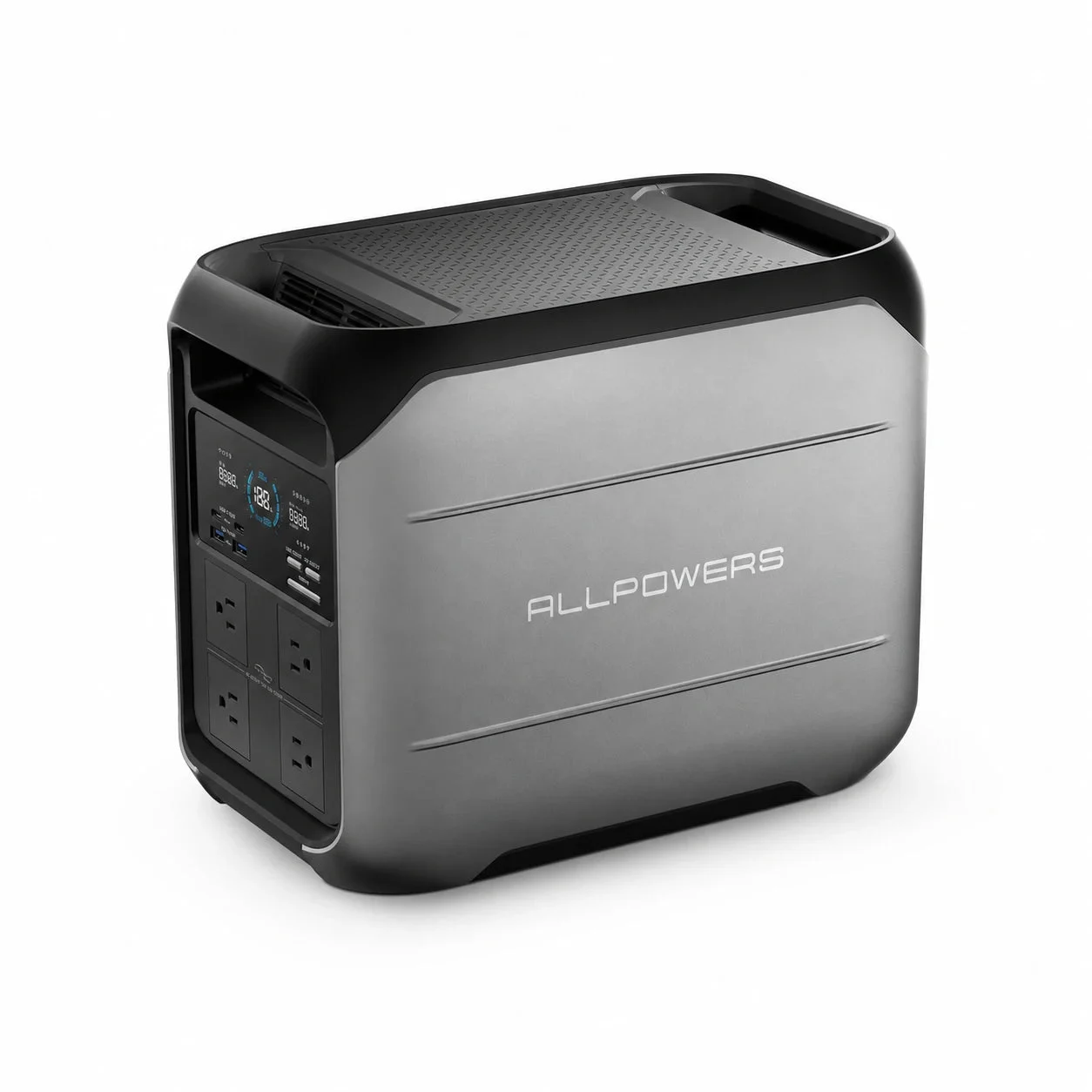
A one person carry 1kWh backup that recharges to 80 percent in about an hour and handles a fridge, router, and lights with ease. Solar input up to 650W keeps it topped up on long off grid days.
Full review →