ecoflow
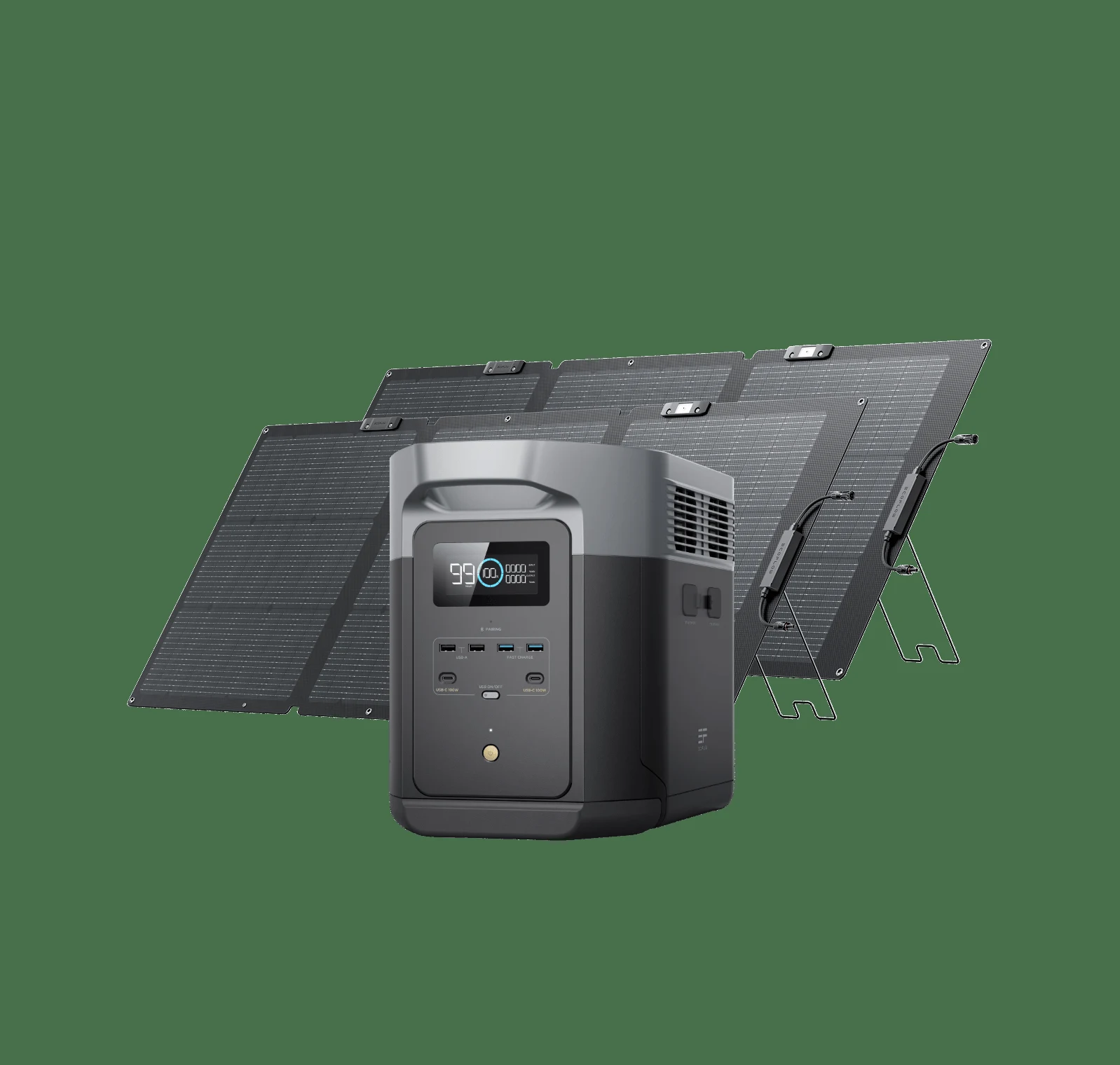
EF ECOFLOW DELTA 2 Max
2,048Wh with 2,400W output, 1,000W solar input, and 80 percent charging in 43 minutes. Built for multi day storms, power tools, and full vehicle RV power.
Full review →
Categories
CampingQuiet electricity for the campsite: lights, phones, a fan, and the coffee maker, without a generator's noiseHome backupWhen the grid drops, essentials stay on: fridge, router, lights in one room, phones charged, medical devicesEvents & on-siteRunning shows, shoots, food stalls, and vendor booths off the grid, with clean power and no fumesEmergency prepThe battery you want charged before the storm: communications, lighting, refrigeration, and medical devicesRV / off-gridHouse power that moves with you: 12-volt ecosystems, solar pairing, and batteries that charge from the12V & jump startThe 12-volt rescue: keeping vehicle accessories, lights, and small 12-volt systems alive when you are the onlyProducts
All power stationsCompare specsAferiyAllpowersAnker SOLIXBLUETTIEcoFlowGeyotoGoal ZeroGrowattJackeryRenogyYEAGULCHArticles
Residential vs Business Portable Power: How to Tell What You Actually NeedPortable Power for a Landscaping Company: Ditching the 200-Foot Extension CordPortable Power for a Food Truck That Wants to Plug In AnywhereRunning Job Site Power Without a GeneratorWhole Home Backup vs Appliance Backup: Pick the Right SizeHow Long Will a Power Station Run: A Practical Planning GuidePairing a Solar Panel for a Power Station: What to MatchPortable Power for Outdoor Events: Weddings and ReceptionsGuides
Portable Power for Camping: The Complete Guide to On-Site ElectricityPortable Power for Home Power Outages: A Real Backup Plan for the GridPortable Power for Events & On-Site Work: Running Shows, Shoots, and Stands Off the GridPortable Power for Emergencies: The Battery You Want Charged Before the StormPortable Power for Jump-Starting a Car & Vehicle PowerPortable Power for RV, Van Life & Off-Grid Living Compare AboutTrust
Affiliate Disclosure Privacy Policy Terms of UseLook for a 12-volt output rated for jump-starting, in the 300 to 600 amp continuous range or higher.
Portable Power for Jump-Starting a Car & Vehicle Power
Look for a 12-volt output rated for jump-starting, in the 300 to 600 amp continuous range or higher.
A 1 to 2 kilowatt-hour station gives you room for several jump starts between recharges.
The same 12-volt output doubles as the accessory power for a tire compressor, cooler, or 12-volt gear.
A dead battery at a rest stop, on a cold morning, after a forgotten dashcam drained the vehicle over a long weekend, or simply because an older battery can no longer hold a full charge, all end in the same moment: the car will not turn over, and you are looking for the nearest jump start. For years the answer was the same, borrow jumper cables, find another vehicle that is willing to lend a cable and some amperage, and hope the engine catches. A portable power station with a 12-volt jump-start mode is the modern answer to that moment. It is the same unit that charges the camping gear or holds the home backup, and it carries a 12-volt output with enough sustained current to crank a gasoline or small-diesel engine over in seconds, without another car, without cables, and without waiting for a roadside helper to come by.
What it actually takes to start a vehicle is a surprising amount of current at low voltage, and the number that matters is not the station's watt-hour capacity, it is the 12-volt output's continuous amperage and its peak. A unit with a 12-volt port rated for jump-starting in the 300 to 600 amp continuous range, with peaks well above that, is more than enough to crank a typical gasoline engine over, and many of the larger mid-size stations in the 1 to 2 kilowatt-hour range can do several full jump starts on a single charge. The practical math works out to one station handling a handful of real jump starts across a season before it needs a recharge, which is the threshold that makes a unit a genuine vehicle backup rather than a curiosity.
The other reason a jump-start capable station is a strong buy for a driver is that the 12-volt port does double duty the rest of the year. It is the 12-volt accessory source in the vehicle, powering a small tire or air compressor, a refrigerated cooler, a 12-volt fridge, or any other 12-volt gear, so a jump-start capable unit is free capability added on top of the camping and home-backup job. The brands to look for are the ones that explicitly specify jump-start mode or a high-current 12-volt output, because some smaller units are not designed for it. If you want one device to cover camping, the occasional outage, and the inevitable dead car, that is the one to choose.
Sizing a jump-start tool is not really about watts, it is about amperage and, secondarily, capacity. The starter motor in a car cranks at a high peak for a moment, and the battery's job during that time is to deliver a large, steady current without the voltage sagging. A station that can deliver several hundred amps continuously, and a peak well above that, is the specification you are looking for, and capacity is the second question, because a larger 1 to 2 kilowatt-hour station can do more jump starts before it needs a recharge. For a single driver who mainly wants a backup, a mid-size unit with a solid 12-volt jump-start output is the right size; for a family with two or more vehicles, or for someone who also wants to use the unit for camping, the larger capacity is worth the weight.
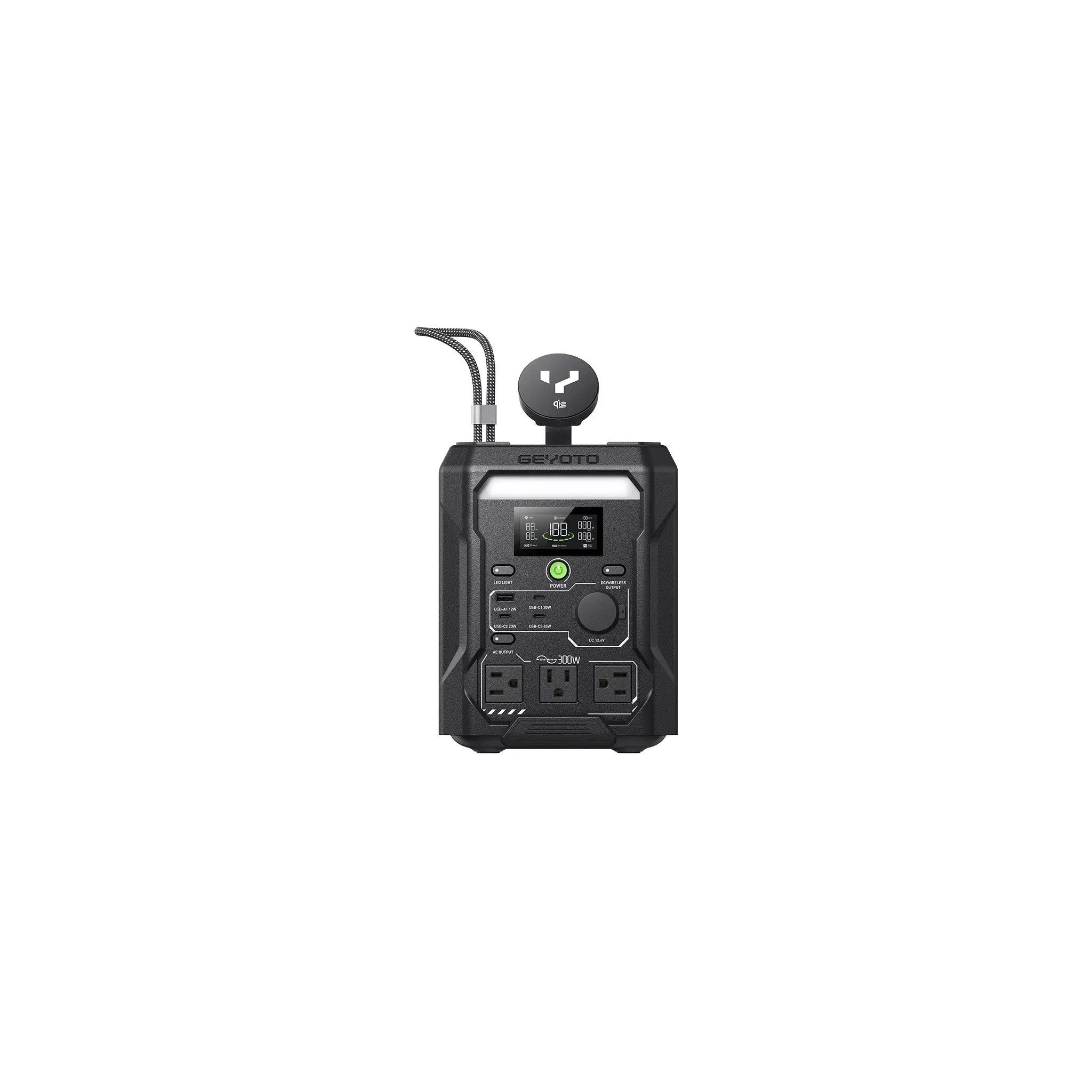
The brand choices for a vehicle backup follow the same logic as the rest of the catalog. Jackery's mid-range Solar Generator and HomePower series, Anker SOLIX, and EcoFlow's DELTA line all ship models with a high-current 12-volt output and a stated jump-start capability. Goal Zero is the premium, rugged option for people who want a vehicle backup that also survives serious off-road use. For value, GEYOTO and ALLPOWERS both sell jump-start capable units at lower price points, and Powerness is a solid, simple option for the one-function job. When reading the spec, look for three things: a continuous 12-volt amperage in the 300 to 600 amp range or higher, a stated peak or jump-start rating, and a capacity of at least 500 to 1,000 watt-hours so a season of jump starts fits in one recharge.
2,048Wh with 2,400W output, 1,000W solar input, and 80 percent charging in 43 minutes. Built for multi day storms, power tools, and full vehicle RV power.
Full review →
Anker 2kWh backup with a decade rated battery, four AC outlets, three USB-C ports, and a dedicated RV outlet. Familiar, quiet, and built to sit ready for a decade.
Full review →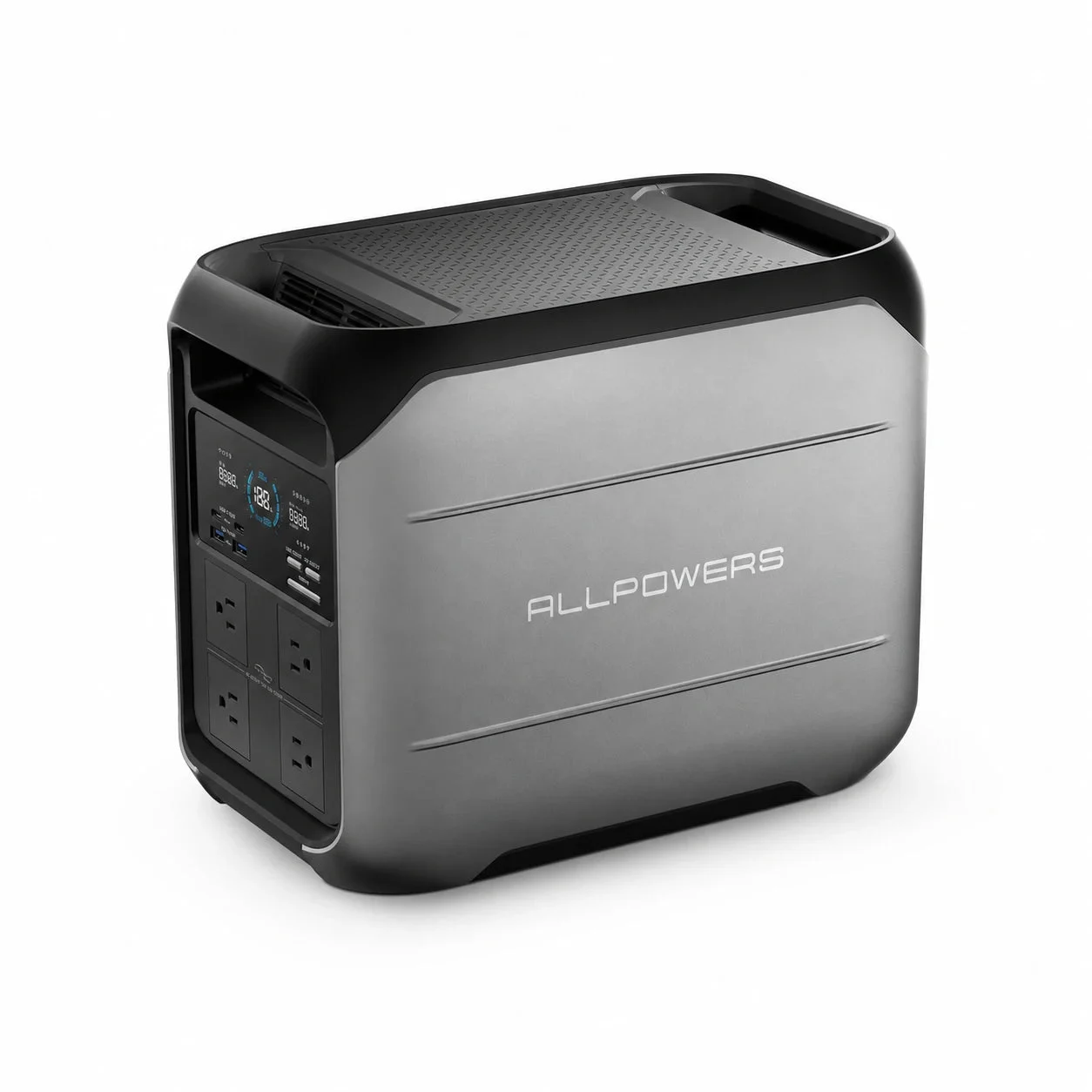
A one person carry 1kWh backup that recharges to 80 percent in about an hour and handles a fridge, router, and lights with ease. Solar input up to 650W keeps it topped up on long off grid days.
Full review →