ecoflow
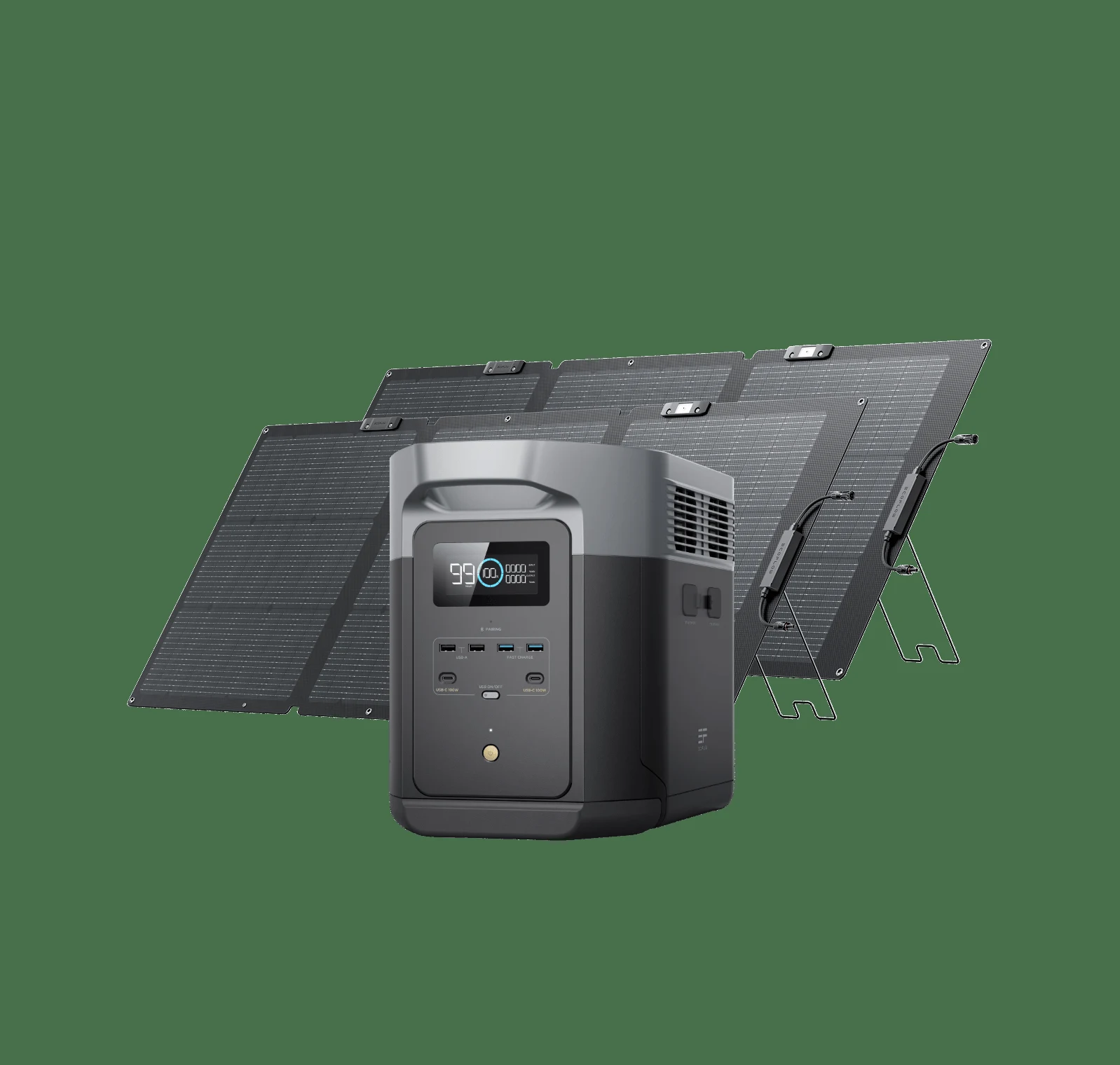
EF ECOFLOW DELTA 2 Max
2,048Wh with 2,400W output, 1,000W solar input, and 80 percent charging in 43 minutes. Built for multi day storms, power tools, and full vehicle RV power.
Full review →
Categories
CampingQuiet electricity for the campsite: lights, phones, a fan, and the coffee maker, without a generator's noiseHome backupWhen the grid drops, essentials stay on: fridge, router, lights in one room, phones charged, medical devicesEvents & on-siteRunning shows, shoots, food stalls, and vendor booths off the grid, with clean power and no fumesEmergency prepThe battery you want charged before the storm: communications, lighting, refrigeration, and medical devicesRV / off-gridHouse power that moves with you: 12-volt ecosystems, solar pairing, and batteries that charge from the12V & jump startThe 12-volt rescue: keeping vehicle accessories, lights, and small 12-volt systems alive when you are the onlyProducts
All power stationsCompare specsAferiyAllpowersAnker SOLIXBLUETTIEcoFlowGeyotoGoal ZeroGrowattJackeryRenogyYEAGULCHArticles
Residential vs Business Portable Power: How to Tell What You Actually NeedPortable Power for a Landscaping Company: Ditching the 200-Foot Extension CordPortable Power for a Food Truck That Wants to Plug In AnywhereRunning Job Site Power Without a GeneratorWhole Home Backup vs Appliance Backup: Pick the Right SizeHow Long Will a Power Station Run: A Practical Planning GuidePairing a Solar Panel for a Power Station: What to MatchPortable Power for Outdoor Events: Weddings and ReceptionsGuides
Portable Power for Camping: The Complete Guide to On-Site ElectricityPortable Power for Home Power Outages: A Real Backup Plan for the GridPortable Power for Events & On-Site Work: Running Shows, Shoots, and Stands Off the GridPortable Power for Emergencies: The Battery You Want Charged Before the StormPortable Power for Jump-Starting a Car & Vehicle PowerPortable Power for RV, Van Life & Off-Grid Living Compare AboutTrust
Affiliate Disclosure Privacy Policy Terms of UseThe Day the Generator Left the Site
Portable Power for Events & On-Site Work: Running Shows, Shoots, and Stands Off the Grid
The Day the Generator Left the Site
A single mid-to-large station (1 to 3 kilowatt-hours) covers a small event with lights, refrigeration, and USB loads.
A pair of mid-size units in parallel, or a large 2,000 watt-hour unit, covers an all-day show or festival.
A fast AC fast-charge input is the feature that matters between events, not only the capacity.
EcoFlow DELTA Pro, Bluetti AC series, and Jackery HomePower are the standard large-band choices for event use.
For decades, the moment a venue or a shoot site did not have enough outlets, the default answer was the same: bring a fuel generator. It worked, and it did not work. It ran hot, it needed a fuel line, it produced a low diesel hum that sat in the background of every conversation and took an edge out of every live show, and it had to be vented away from any enclosed space, which at a wedding or a small show meant dragging it to the edge of the property on a long, weatherproof extension cord that every crew member had to route carefully. The result was a reliable but loud, smelly, and frequently awkward solution that showed at the worst possible moment.
Portable power changed that equation. A large, wheeled lithium power station, or a pair of them paired in parallel for more runtime, now carries the loads that used to go to a generator, and it does so in silence, without fuel, without exhaust, and without the carbon monoxide conversation that a generator at an event always invites. A small stage lighting rig, a sound mixing console, a catering refrigeration and hot-holding setup, a photo or video workstation, or a small food stand all run from a single mid-to-large unit, or from a pair for longer windows, in a way that a venue will genuinely welcome and that a crew can set up and leave running for the entire event without babysitting it.
The reason a station works where a generator does not is not just the noise, though the noise is the most visible difference. It is that a station is a closed, sealed electrical system with no moving parts, no flame, and no exhaust. It sits on the floor next to the console, next to the fridge, or behind the camera table, and it does not need a clear zone or a venting path. For a small venue or a backyard event that matters enormously, because the difference between a solution that is safe to run anywhere and one that is only safe in a specific, prepared spot is often the difference between the option being used at all and being left at home.
It also changes the power-budget conversation from fuel logistics to a simple watt-hour calculation. A stationary generator is sized by a rule of thumb that is hard to verify on the day; a battery is sized by the number of watt-hours, which you can count, meter, and verify against the actual draw of every device on the site. That auditability is the professional reason a station increasingly replaces a generator for event power: the crew can state in advance how long the system will run, and they can verify it on the day against the real loads, which is a far higher level of confidence than a fuel tank and a rule of thumb.
Sizing an event station is straightforward once you separate the AC loads from everything else. On-site events typically draw three kinds of power: a large continuous AC load such as a catering refrigeration or a small induction cooktop, a mid AC load such as a lighting rig or a sound console, and a set of DC and USB devices such as phone chargers, camera flashes, and a couple of monitors. Add the AC wattages, multiply each by the hours you expect it to run, and you have a daily energy budget. For a small backyard wedding with lighting and a small refrigeration, that budget is typically 800 to 1,500 watt-hours, which fits inside a single mid-to-large station. For a music or photo show that runs all day with more draw, the budget goes higher, and the sensible answer is either a large 2,000 watt-hour unit or a pair of mid-size units in parallel, which is a setup that also gives you redundancy, the ability to run two separate feeds, and a much easier path to a long battery life.
The second event-specific question is the recharge, because a crew does not always have a wall outlet to top up between events. A large, wheeled station with a fast AC fast-charge input recharges in one to two hours from a venue pedestal or a car outlet, which is more than enough for a single-day event and even a multi-day festival. For festival work, the standard practice is to pair the station with a solar array or to use the station as a reserve and the venue supply as the primary feed, and both setups are straightforward and low-risk. The fast-charge feature is the part of a station that a producer cares about, because it is the difference between a station that needs an hour and a half of downtime before the next show and one that is ready to go in the time it takes to run the venue setup list.
The brand selection for an event follows the same logic as home backup. In the mid-to-large band, EcoFlow's DELTA Pro series, Bluetti's AC-series modular systems, and Jackery's larger Solar Generator and HomePower series are the standard choices, because they combine high capacity with a fast AC fast-charge input and enough AC output to drive a real on-site load. For smaller activations, food stands, or photo shoots, a single mid-size unit from Jackery, Anker SOLIX, EcoFlow, or one of the value brands such as GEYOTO or Powerness is enough and much easier to carry and set up. For the larger, music or festival side, the modular systems are the ones that actually work, because they let you build the station to the size of the event, not the size of the venue's outlet, and they let you add expansion batteries for a multi-day window without buying a new, larger unit at the event.
2,048Wh with 2,400W output, 1,000W solar input, and 80 percent charging in 43 minutes. Built for multi day storms, power tools, and full vehicle RV power.
Full review →
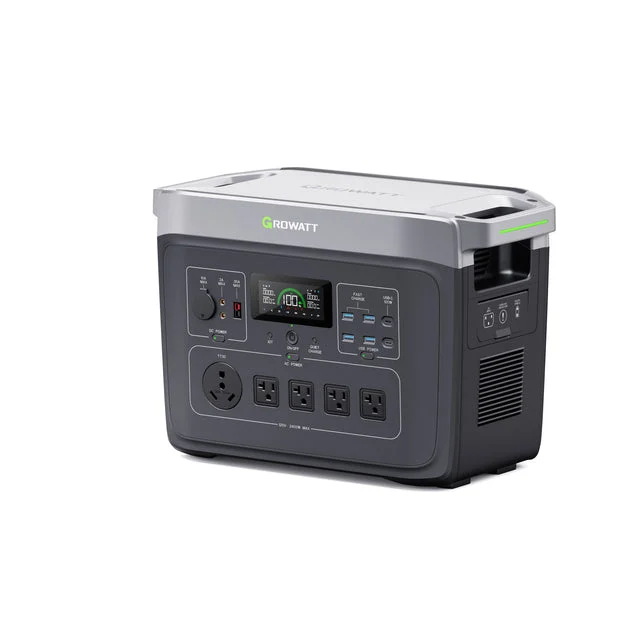
Anker 2kWh backup with a decade rated battery, four AC outlets, three USB-C ports, and a dedicated RV outlet. Familiar, quiet, and built to sit ready for a decade.
Full review →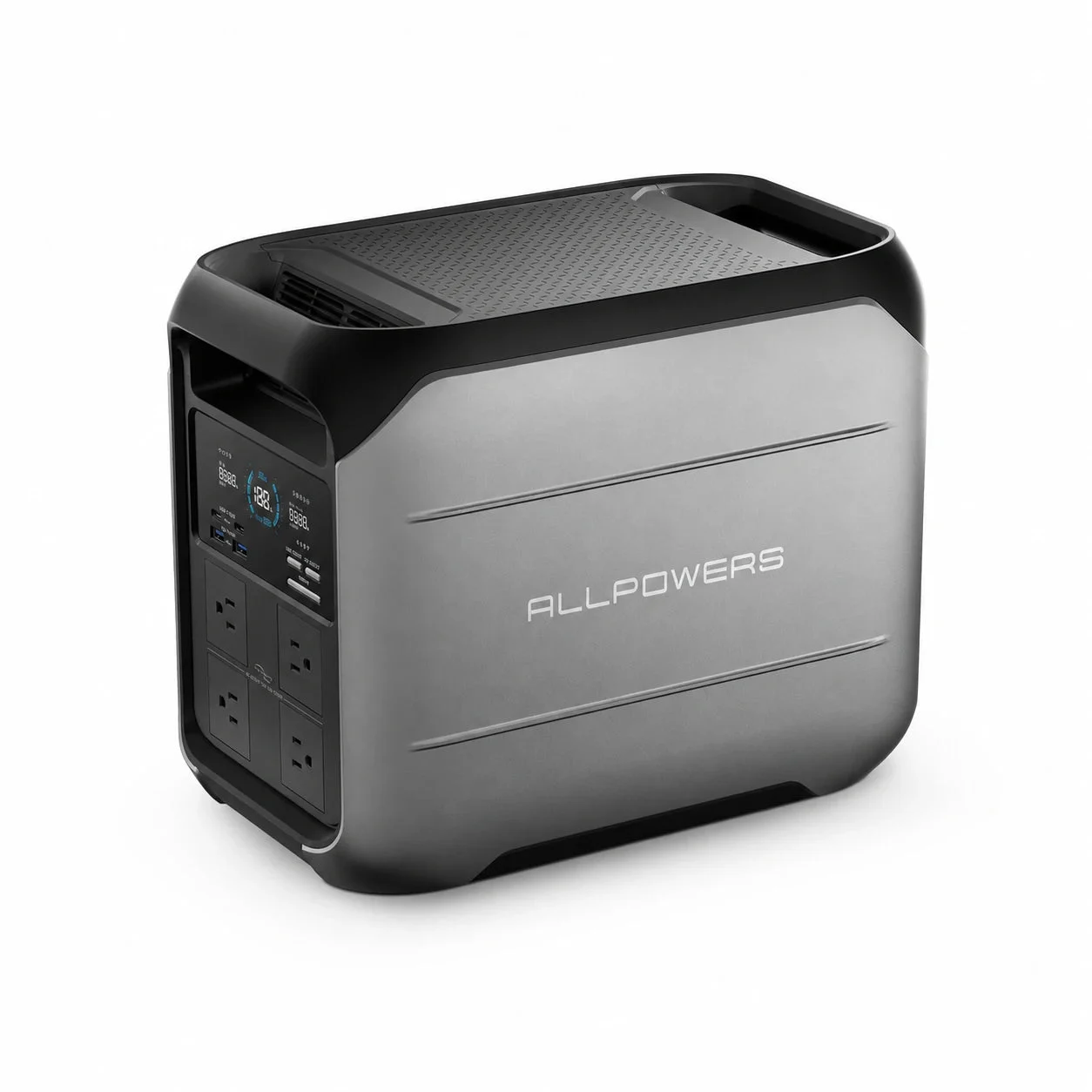
A one person carry 1kWh backup that recharges to 80 percent in about an hour and handles a fridge, router, and lights with ease. Solar input up to 650W keeps it topped up on long off grid days.
Full review →