ecoflow
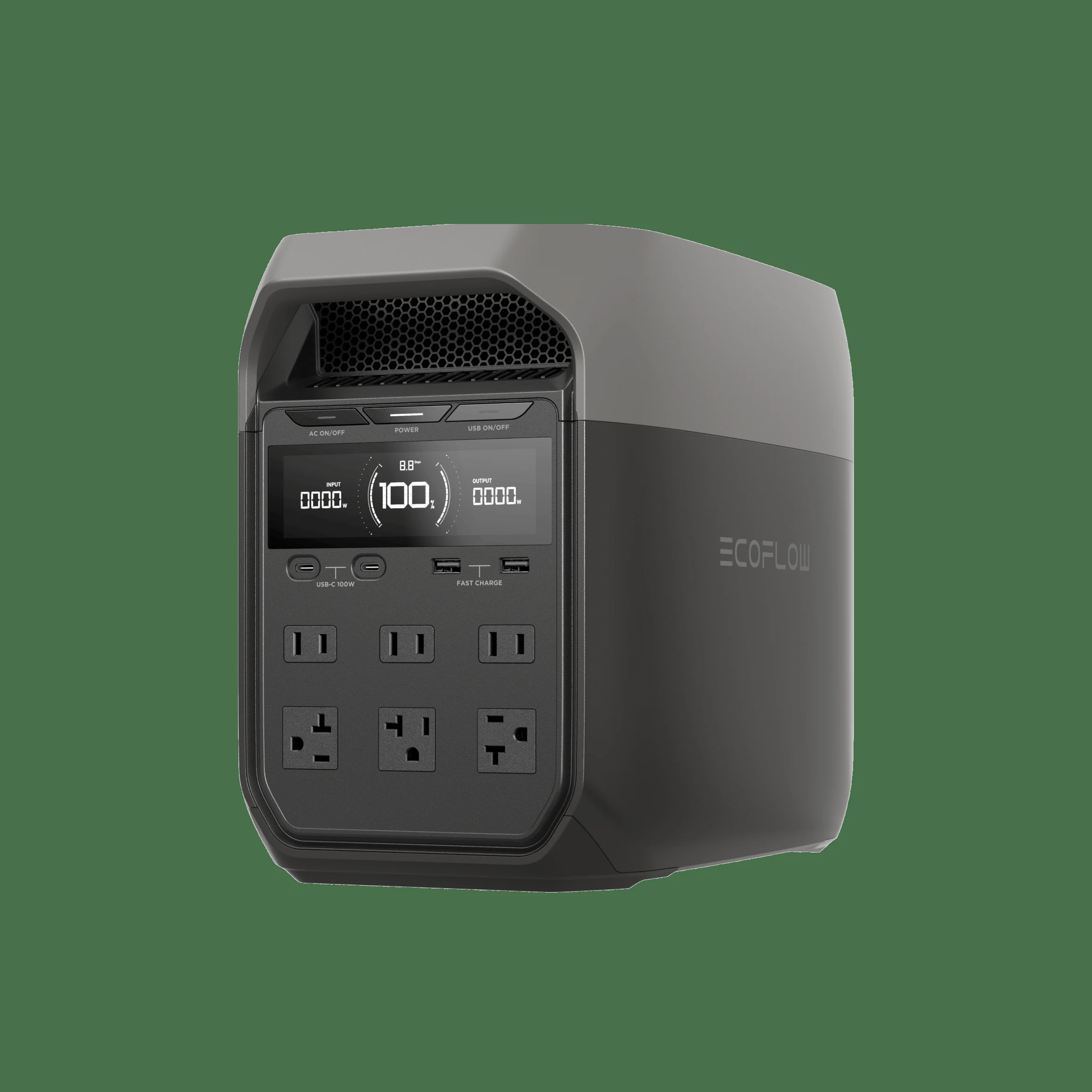
EF ECOFLOW DELTA 2
Budget home backup with 1,024Wh, 1,800W output, 50 minute charging, and a path to 3,072Wh. It covers a fridge, router, and lights through a typical outage, then grows later.
Full review →
Categories
CampingQuiet electricity for the campsite: lights, phones, a fan, and the coffee maker, without a generator's noiseHome backupWhen the grid drops, essentials stay on: fridge, router, lights in one room, phones charged, medical devicesEvents & on-siteRunning shows, shoots, food stalls, and vendor booths off the grid, with clean power and no fumesEmergency prepThe battery you want charged before the storm: communications, lighting, refrigeration, and medical devicesRV / off-gridHouse power that moves with you: 12-volt ecosystems, solar pairing, and batteries that charge from the12V & jump startThe 12-volt rescue: keeping vehicle accessories, lights, and small 12-volt systems alive when you are the onlyProducts
All power stationsCompare specsAferiyAllpowersAnker SOLIXBLUETTIEcoFlowGeyotoGoal ZeroGrowattJackeryRenogyYEAGULCHArticles
Residential vs Business Portable Power: How to Tell What You Actually NeedPortable Power for a Landscaping Company: Ditching the 200-Foot Extension CordPortable Power for a Food Truck That Wants to Plug In AnywhereRunning Job Site Power Without a GeneratorWhole Home Backup vs Appliance Backup: Pick the Right SizeHow Long Will a Power Station Run: A Practical Planning GuidePairing a Solar Panel for a Power Station: What to MatchPortable Power for Outdoor Events: Weddings and ReceptionsGuides
Portable Power for Camping: The Complete Guide to On-Site ElectricityPortable Power for Home Power Outages: A Real Backup Plan for the GridPortable Power for Events & On-Site Work: Running Shows, Shoots, and Stands Off the GridPortable Power for Emergencies: The Battery You Want Charged Before the StormPortable Power for Jump-Starting a Car & Vehicle PowerPortable Power for RV, Van Life & Off-Grid Living Compare AboutTrust
Affiliate Disclosure Privacy Policy Terms of UseIf you already run a 1,000Wh class station at a campsite and want meaningful top up speed without hauling a 200W panel, the GEYOTO S100 is the portable solar choice at the sweet spot. It outputs up to 100W at 25.2V and 3.97A into a station solar input, weighs 8.38 pounds, and folds to about 20.4 by 26.5 by 1.1 inches, roughly the footprint of a small laptop bag. The foldable suitcase frame takes the knocks of camp life and sets up in a few minutes on a table or on the ground. The construction explains the output. Monocrystalline cells run at 26 percent conversion, and a bifacial back face harvests light reflected off bright ground, light roofs, or pale sand, so a panel over a real surface pulls more than a single sided panel of the same size. The panel face carries an IP68 rating for rain and dust, while the cables and junction box stay dry, the standard rule for every folding panel. GEYOTO covers the S100 with a three year member warranty, and the kit ships with cables and a carry case. Pairing math is the real decision. With an N1000 the panel holds the station through a campsite day and night, though a full recharge takes most of a day of good sun. On an N300 the same panel tops the 256Wh battery in roughly three hours of sun, and on a C260 it fills the smaller battery in a short window with the right cable. The 100W figure is a lab ceiling, and field output bends with angle, heat, and shade. A buyer building a 4kWh off grid system needs the larger S200 in a small array instead. Read the full review below, then check the current offer.
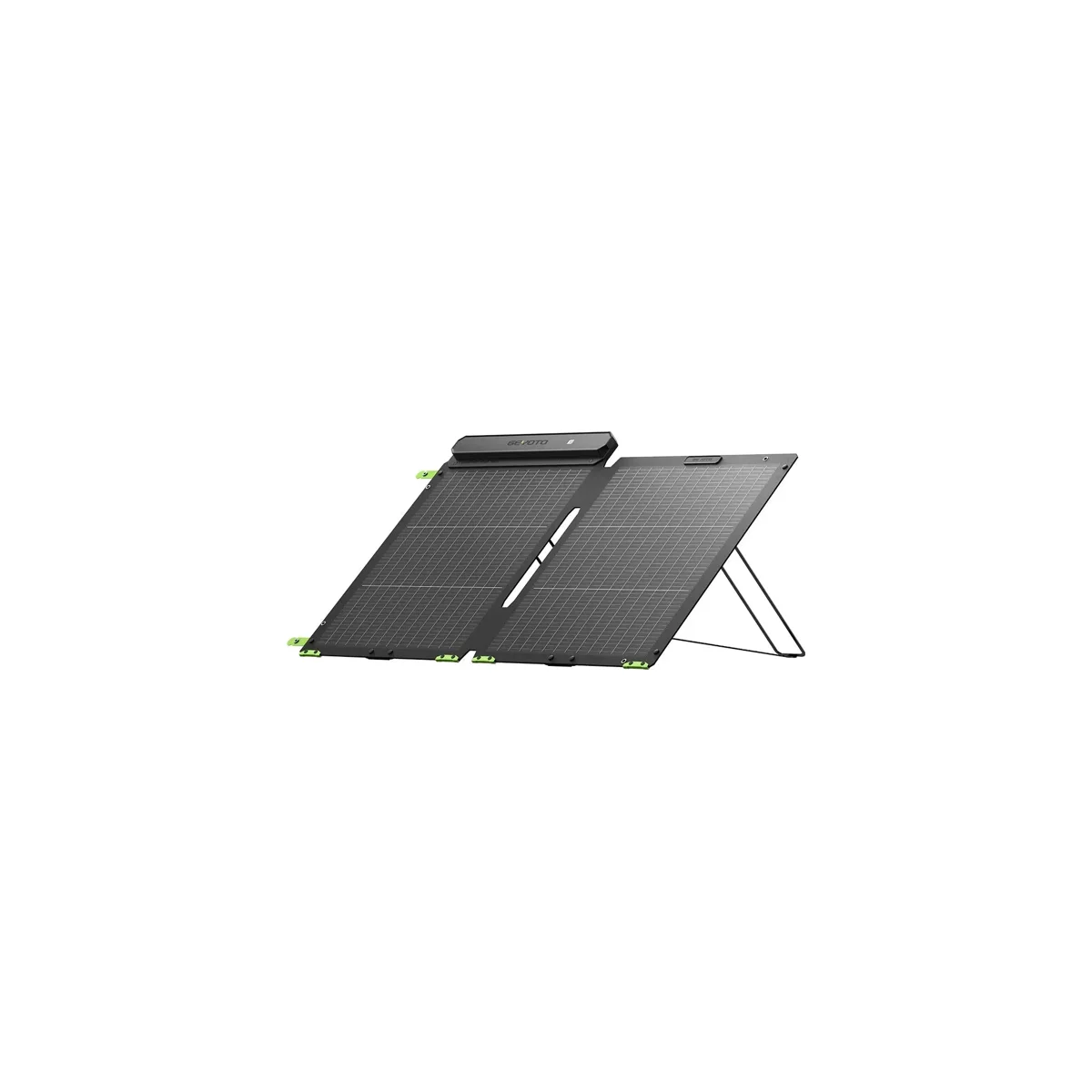
If you already run a 1,000Wh-class station on a campsite and want real top-up speed without the weight of a 200W panel, this is the portable solar panel for a power station that sits at the sweet spot. The S100 outputs up to 100W at 25.2V and 3.97A into a station's solar input, weighs 8.38 lb, and folds to 20.4x26.5x1.1 in, about the footprint of a small laptop bag.
**The portable solar panel for a power station decision starts with the station you own.** Pair it with the N1000 and a full 1,024Wh recharge takes most of a day of good sun, so the panel holds the unit through a campsite day and night rather than resetting it in one afternoon. On the N300 the same panel tops the 256Wh battery in roughly three hours of good sun, and on the C260 the 256Wh fills in a short window of sun with the right cable between the panel and its USB-C input. The S200, with double the watts, makes the N1000's full recharge a single-afternoon job; the S100 is the one that stays a one-person carry.
The construction holds the class: monocrystalline cells at 26 percent conversion, a bifacial back face that harvests reflected light off bright ground or a light roof, an IP68 rating on the panel surface (cables and junction box stay dry, the rule on every folding panel), and a 3-year member warranty. The suitcase-style frame takes the knocks of a campsite, and as a foldable solar panel it connects with MC4 or XT60-class connectors and ships with cables and a carry case.
Two honest notes. The 100W portable solar figure is a lab rating, so in the field expect up to 100W shaped by angle, temperature, and shade. And it will not help a buyer whose goal is a 4kWh-plus off-grid build, where the S200 or a stacked array is the real conversation.
If the station in your closet is the N1000, N300, or C260, the S100 is the portable solar panel for a power station that matches it. Find it on the GEYOTO store page, since Amazon does not list this model.
If you already run a 1,000Wh class station on a campsite and want real top up speed without the weight of a 200W panel, the S100 sits at the sweet spot. It outputs up to 100W into a station's solar input, weighs 8.38 pounds, and folds to 20.4 by 26.5 inches, about the footprint of a small laptop bag. For portable solar for a power station, that is the size where the panel goes in the car for every trip instead of living in the garage.
The bifacial back face is why this panel out pulls a single sided one. The rear face harvests reflected light off bright ground or a light roof, so a panel propped over a real surface gathers more than its 100W label suggests in ideal sun. Monocrystalline cells at 26 percent conversion, an IP68 panel surface, and a 3 year member warranty make it a durable campsite tool rather than a fragile accessory.
The pairing speed is the time saver. On a 256Wh battery the panel tops the charge in roughly three hours of good sun, and on a 1,024Wh battery it holds the unit through a campsite day and night. Solar that refills between uses removes the mid trip hunt for an outlet and lets the station serve the whole excursion.
The foldable carry case is the second time saver. The panel packs into a suitcase shape with cables inside, so the setup at a site is unfold, aim, and connect rather than a toolbox project. A panel that deploys in a minute gets used every day, while a rigid panel lives at home.
Think in tiers: the S35 and S45 feed devices directly, the S100 feeds a mid size station, and the S200 resets a 1,000Wh battery in a single afternoon. Confirm the connector match to your station before you buy, and check the warranty length on the panel. Size the wattage to the station you own, since a panel that is too small cannot hold a large battery through a cloudy stretch.
This fits a 1,000Wh class station on a campsite, RV, or off grid stretch where one person carries the panel. It suits the N1000, N300, and C260 lines through standard solar connectors. It does not fit a 4kWh plus off grid build, where the S200 or a stacked array is the real conversation, and it will not help a buyer whose goal is direct device charging without a station.
How long does it take to refill a station. A 256Wh battery tops in roughly three hours of good sun, while a 1,024Wh battery takes most of a day of good sun to fill from empty. The panel holds a large station through a campsite day rather than resetting it in one afternoon. The S200, with double the watts, makes the large refill a single afternoon job, and the S100 is the one that stays a one person carry.
How much power should you really expect. Up to 100W is a lab rating, so in the field expect output shaped by angle, temperature, and shade. A panel aimed at midday sun on bright ground will come closest, while a shaded site will return far less. Treat 100W as a ceiling and plan the refill window around sun hours rather than watts.
What does IP68 cover on a folding panel. The panel surface is rated against dust and rain, while the cables and junction box stay dry, which is the rule on every folding panel. Keep the connectors out of standing water and dry them after a wet trip. The rating covers the cells and the glass against weather, not the wiring.
Against the S200 the S100 trades watts for carry weight. The S200 resets a 1,000Wh battery in a single afternoon of sun, but it weighs about 15 pounds and costs far more. The S100 wins when one person carries the panel to a campsite and a full reset is not the goal. Choose the S200 when the array is the system and the S100 when the panel is a companion.
Against rooftop fixed panels the S100 trades peak output for portability. A fixed array is larger, cheaper per watt, and permanent, but it cannot follow the vehicle or the tent. The folding panel wins for RV and camp use where the sun is at the site rather than at home, and it loses for a cabin build that wants every watt.
A common mistake is buying a 100W panel to refill a 1,000Wh station in an afternoon and then feeling cheated. The math simply does not allow it in one short window, and the panel is designed to hold the battery through the day rather than reset it. Plan the refill around a full day of sun or pair the panel with a wall charge first.
A second mistake is leaving the junction box in the rain because the panel is IP68. The rating covers the panel surface, while the cables and the box must stay dry. Prop the panel so the connectors sit above puddles and dry them after a wet trip, because connectors are where folding panels fail.
Get the most from this setup by aiming the panel at midday sun and propping it over bright ground. The bifacial back face harvests reflected light, so a light colored surface or a pale roof underneath buys real extra watts over grass or dark soil. Angle and ground together decide the harvest more than the label does.
A second habit is testing the connector match to your station at home. Lay out the panel, confirm the MC4 or XT60 class cable seats correctly, and label the leads before the trip. A panel that is first connected during an outage never gets the easy familiarization session, and small mistakes at that point cost the most.
Keep the panel surface clean with a damp cloth, store it folded in its case, and keep the junction box and cables dry in a cool spot. The IP68 face forgives rain and dust, but a folded crease left in a hot trunk or a cable left in standing water shortens the honest life of any folding panel.
Links open the official listing. Price, terms, and availability can change, so the live page is the source of truth.
Same situation, different option. Worth comparing before you decide.
Budget home backup with 1,024Wh, 1,800W output, 50 minute charging, and a path to 3,072Wh. It covers a fridge, router, and lights through a typical outage, then grows later.
Full review →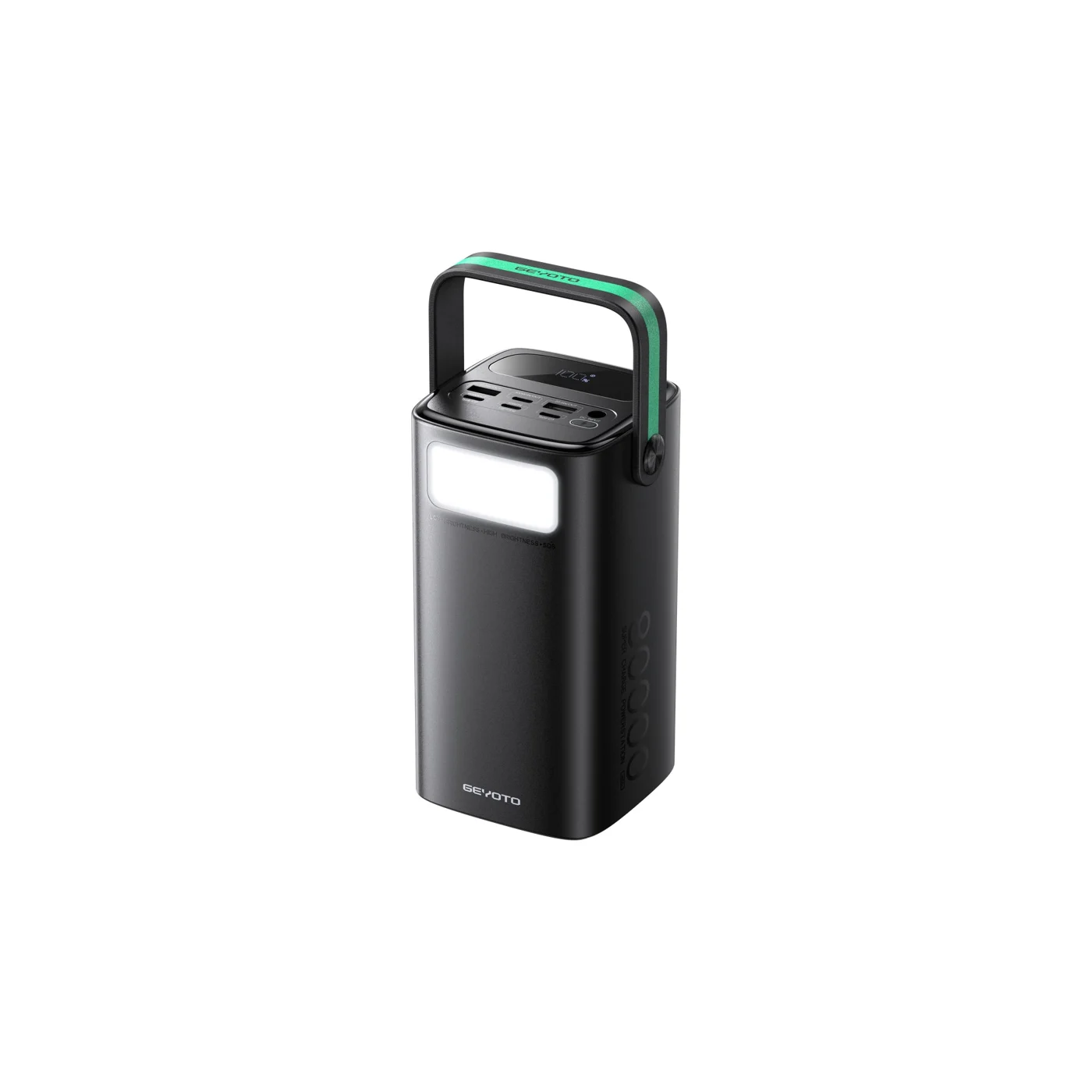
256Wh of DC power in 3.64 pounds, with a 100W USB-C port that fills a laptop or recharges the unit itself. No AC outlets, no inverter overhead, just pocket sized USB power.
Full review →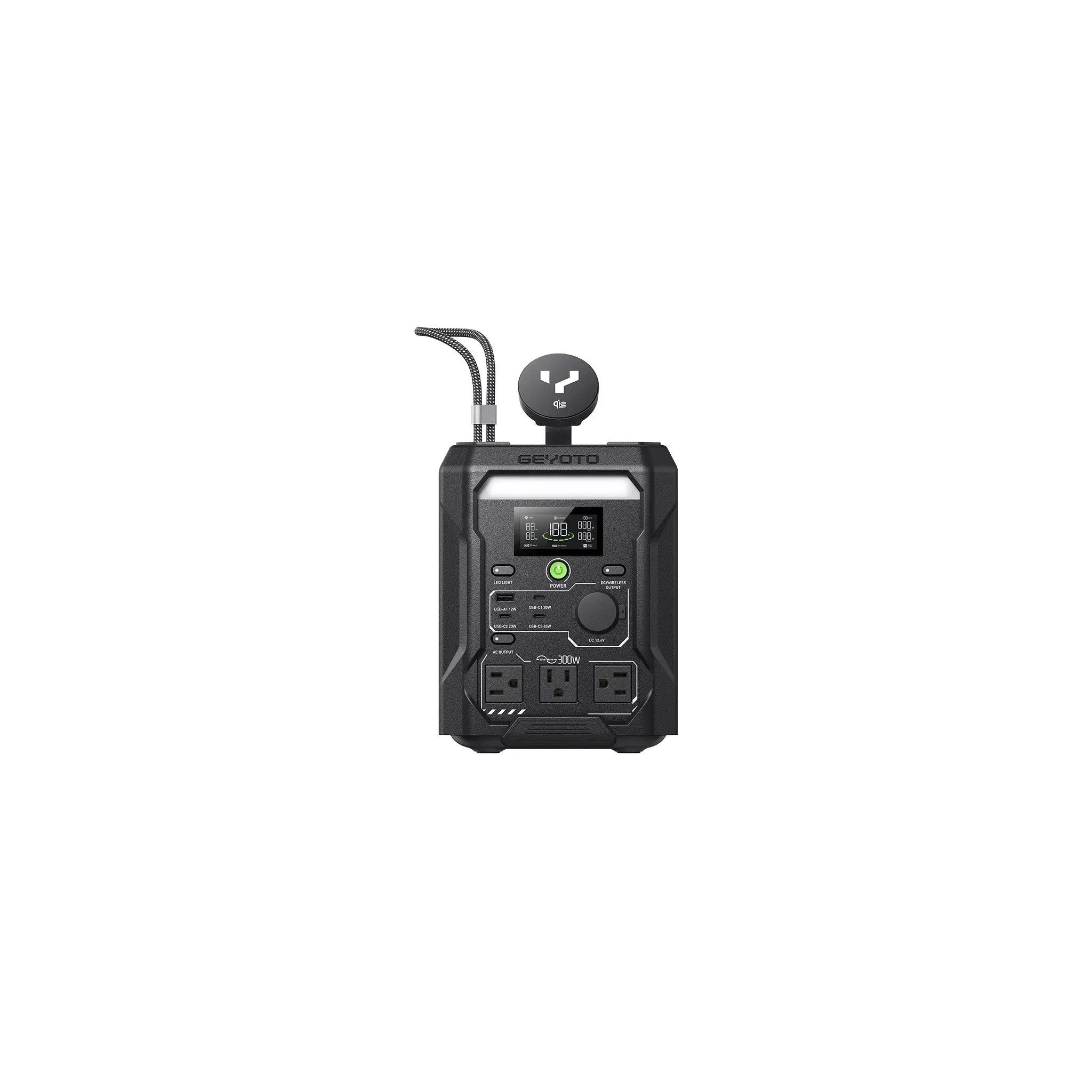
256Wh in 7.72 pounds with nine ports, a 300W inverter, and a wireless charging pad. A one bag travel station for laptops, phones, cameras, and a router through the night.
Full review →