renogy
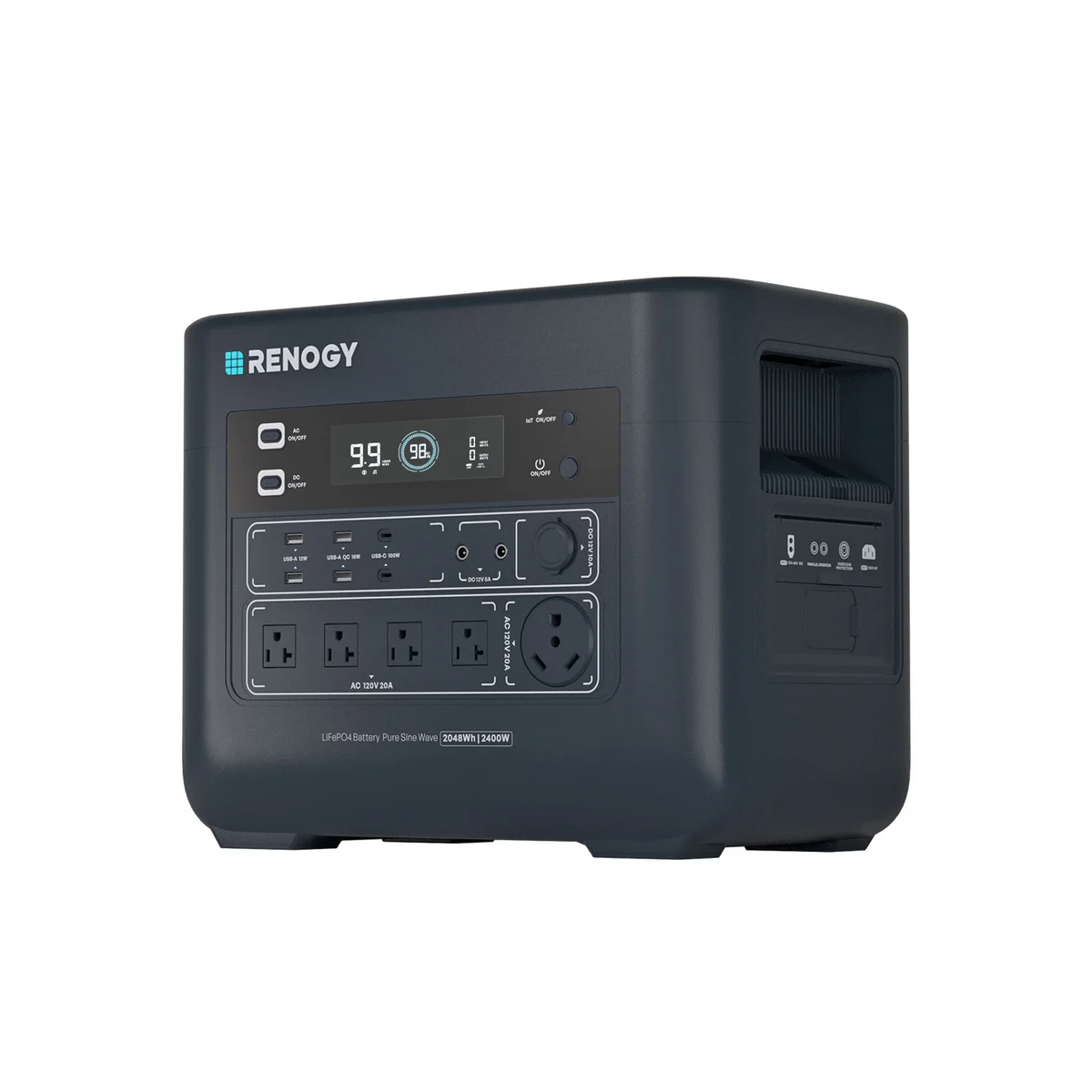
Renogy PowerStation 2000
2,048Wh in a suitcase with a direct TT 30 RV outlet, five ways to charge, and 25 decibel quiet. Built for Renogy builders, RV campers, and an outage kit that fits the camper.
Full review →
Categories
CampingQuiet electricity for the campsite: lights, phones, a fan, and the coffee maker, without a generator's noiseHome backupWhen the grid drops, essentials stay on: fridge, router, lights in one room, phones charged, medical devicesEvents & on-siteRunning shows, shoots, food stalls, and vendor booths off the grid, with clean power and no fumesEmergency prepThe battery you want charged before the storm: communications, lighting, refrigeration, and medical devicesRV / off-gridHouse power that moves with you: 12-volt ecosystems, solar pairing, and batteries that charge from the12V & jump startThe 12-volt rescue: keeping vehicle accessories, lights, and small 12-volt systems alive when you are the onlyProducts
All power stationsCompare specsAferiyAllpowersAnker SOLIXBLUETTIEcoFlowGeyotoGoal ZeroGrowattJackeryRenogyYEAGULCHArticles
Residential vs Business Portable Power: How to Tell What You Actually NeedPortable Power for a Landscaping Company: Ditching the 200-Foot Extension CordPortable Power for a Food Truck That Wants to Plug In AnywhereRunning Job Site Power Without a GeneratorWhole Home Backup vs Appliance Backup: Pick the Right SizeHow Long Will a Power Station Run: A Practical Planning GuidePairing a Solar Panel for a Power Station: What to MatchPortable Power for Outdoor Events: Weddings and ReceptionsGuides
Portable Power for Camping: The Complete Guide to On-Site ElectricityPortable Power for Home Power Outages: A Real Backup Plan for the GridPortable Power for Events & On-Site Work: Running Shows, Shoots, and Stands Off the GridPortable Power for Emergencies: The Battery You Want Charged Before the StormPortable Power for Jump-Starting a Car & Vehicle PowerPortable Power for RV, Van Life & Off-Grid Living Compare AboutTrust
Affiliate Disclosure Privacy Policy Terms of UseWhen the goal is a 1,000Wh station back to full in a single afternoon of sun, or a multi panel array for an RV roof or a work site, the GEYOTO S200 is the workhorse in the line. It outputs up to 200W at 25.2V and 7.94A, folds into a suitcase form, and weighs about 15 pounds, which is a one person carry to a campsite pitch or a vehicle. The folding frame sets up fast on grass, sand, or a flat roof section and packs flat for the drive home. The bifacial build is why this panel out pulls a single sided unit of similar size. The back face harvests light reflected off grass, sand, snow, or a light colored roof, so a panel propped over a real surface gathers meaningful extra energy. The cells run at 26 percent conversion, the panel face carries an IP68 rating against rain and dust with the junction box and cables kept dry, and GEYOTO covers it with a three year member warranty. Standard solar connectors link it to GEYOTO stations and to other brands that accept the same input range. The pairing numbers are plain. On an N1000, 200W against 1,024Wh means a full recharge in strong sun lands around five to six hours of panel time, the difference between a same day reset and a two day plan. On an N300 or a C260 the same panel tops 256Wh in about ninety minutes of direct sun, so it is generous there unless the plan is a long off grid stretch. Stacking two S200 units feeds a station that accepts 400W of solar input and keeps a 1,000Wh unit topped through a week of mixed campsite weather. Read the full review below, then check the current offer.
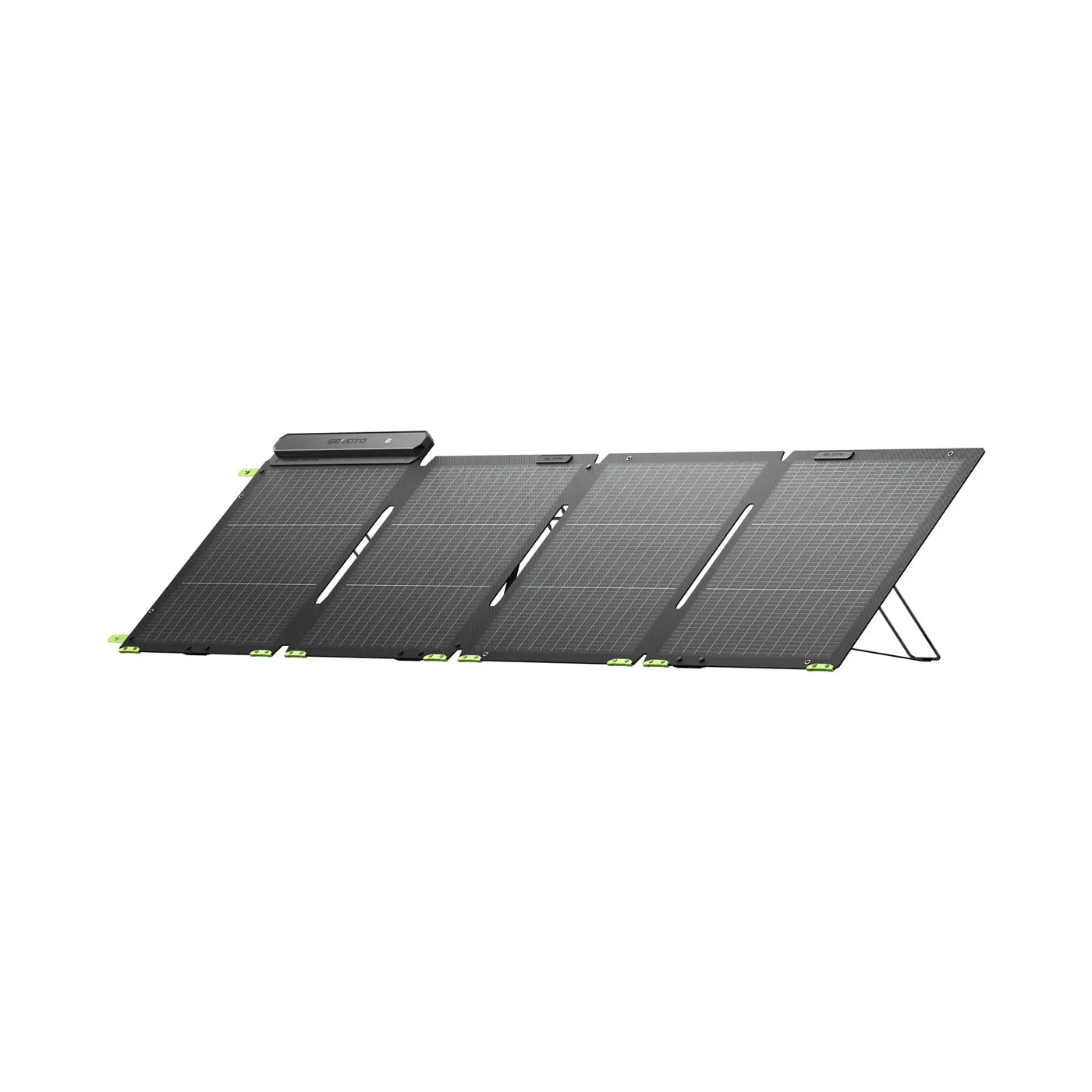
The buyer who wants a 1,000Wh-class station back to full in a single afternoon of sun, or who is wiring up a multi-panel array for an RV or a work site, is shopping for a workhorse, and this 200W folding solar panel is it. The S200 outputs up to 200W at 25.2V and 7.94A, folds into a suitcase form, and weighs about 15 lb, which is a one-person carry to a campsite or an RV roof.
**As a 200W folding solar panel, the bifacial build is why it out-pulls a single-sided panel.** The S200 is a bifacial solar panel in the truest sense: the back face harvests reflected light off grass, sand, snow, or a light-colored roof, so a panel propped over a real surface pulls meaningfully more than a one-sided panel of the same size. The cells run at 26 percent conversion, the panel surface carries an IP68 rating (keep the junction box and cables dry, the usual rule for a folding panel), and GEYOTO covers it with a 3-year member warranty. It connects to the GEYOTO stations with standard solar connectors, and it works with other brands that accept the same input.
Pairing math in plain words: on the N1000, 200W of input against 1,024Wh of storage means a full recharge in strong sun lands around five to six hours of panel time, which is the difference between a same-day reset and a two-day plan. On the N300 or the C260 the same panel tops 256Wh in about an hour and a half of direct sun, so it is overkill there unless the plan is a multi-day off-grid stretch. Stacking two S200s is where the array story starts: two of these 200W folding solar panels can feed a station that accepts 400W of solar input and keep a 1,000Wh unit topped through a week of cloudy campsite weather.
Who is over or under-specced here? If the station is 300Wh or less, the S100 does the job at less weight and less money, and the S35 or S45 cover direct device charging. If the goal is a true off-grid system on a roof rack or a work trailer, the S200 is the smallest panel worth stacking, because at double the watts the per-pound harvest improves.
Expect up to 200W in the field, since lab numbers flex with angle, heat, and shade. For portable solar for off-grid use, a 200W folding solar panel is the workhorse end of the GEYOTO line. The store page shows the current price and stock.
The buyer who wants a 1,000Wh class station back to full in a single afternoon of sun, or who is wiring up a multi panel array for an RV or a work site, is shopping for a workhorse, and this 200W folding panel is it. The S200 outputs up to 200W, folds into a suitcase form, and weighs about 15 pounds, which is a one person carry to a campsite or an RV roof. For portable solar for off grid use, that is the size where the array becomes a system rather than an accessory.
The bifacial build is why it out pulls a single sided panel of the same size. The back face harvests reflected light off grass, sand, snow, or a light colored roof, so a panel propped over a real surface gathers meaningfully more than a one sided panel. Cells at 26 percent conversion, an IP68 panel surface, and a 3 year member warranty make the harvest durable rather than fragile.
The refill speed is the time saver. On a 1,024Wh battery, 200W of input means a full recharge in strong sun lands around five to six hours of panel time, which is the difference between a same day reset and a two day plan. That speed turns solar from a holding action into a genuine refill path.
The stacking path is the second time saver. Two S200 panels can feed a station that accepts 400W of solar input and keep a 1,000Wh unit topped through a week of cloudy campsite weather. An array that arrives ready to connect is an hour of setup rather than a season of figuring, and the per pound harvest improves as the watts stack.
Think in tiers: device charging panels feed phones, the S100 feeds a mid size station, and the S200 resets a 1,000Wh battery in a single afternoon. Confirm the connector match and the station's solar input ceiling before you buy, because a panel that exceeds the input can waste its own watts. Size for the station you own, and check the warranty length on each panel in a stacked array.
This fits a 1,000Wh class station that needs a same day reset, an RV or work site array, and off grid top ups through a long stretch. It suits the N1000, N300, and C260 lines through standard solar connectors. It does not fit a 300Wh or smaller station where the S100 does the job at less weight and less money, and it is overkill for direct phone charging where the S35 or S45 cover the job.
How many hours of sun refill a station. A 1,024Wh battery takes roughly five to six hours of strong sun at 200W, while a 256Wh battery tops in about an hour and a half of direct sun. The speed is the difference between resetting the large station in one afternoon and planning around two days. Angle, heat, and shade still shape the real harvest.
How much power should you really expect. Up to 200W is a lab rating, so in the field expect output shaped by angle, temperature, and shade. The bifacial back face adds reflected light over bright ground, which pushes real output closer to the label. Treat 200W as a ceiling and plan the refill window around sun hours.
Does stacking two panels actually work. Yes, two 200W panels can feed a station that accepts 400W of solar input and keep a 1,000Wh unit topped through cloudy weather. Confirm the input ceiling on your station before stacking, because excess wattage beyond the ceiling is wasted. Two panels turn a reset into an array that rides out a week.
Against the S100 the S200 trades weight for same day resets. The S100 is lighter and cheaper and holds a large station through a campsite day, but it cannot reset that battery in one afternoon. The S200 wins when the refill must happen between breakfast and dinner, and it loses only when one person carries the panel a long distance.
Against rooftop fixed panels the S200 trades peak output per dollar for portability. A fixed array is cheaper per watt and permanent, but it cannot follow the vehicle to the sun. The folding panel wins for RV, camp, and work trailer use where the site moves, and it loses for a cabin build that wants every watt at the lowest price.
A common mistake is stacking panels beyond the station's solar input ceiling. A station that accepts 400W gains nothing from a third panel, and the excess watts are spent on cost rather than harvest. Read the input ceiling first and size the array to it.
A second mistake is propping the panel over dark soil and wondering why the bifacial boost never appears. The back face harvests reflected light, so bright ground, sand, snow, or a light roof is part of the system. A panel over dark grass gives up the extra harvest the design was built for.
Get the most from this setup by propping the panel over bright ground and aiming at midday sun. The bifacial back face adds reflected light while the front face takes the direct beam, and the two together push real output toward the 200W ceiling. Test the layout at home on a clear day before the trip.
A second habit is numbering the cables in a stacked array. Two panels and two lead sets can tangle at a work site, and a labeled array connects in minutes rather than an hour of sorting. A system that arrives ready is used every day, while a tangle lives in the trunk.
Keep the panel surface clean with a damp cloth, store it folded in its case, and keep the junction box and cables dry. The IP68 face forgives rain and dust, but a folded crease left in a hot trailer or a cable left in standing water shortens the honest life of any folding panel sized for a workhorse role.
Links open the official listing. Price, terms, and availability can change, so the live page is the source of truth.
Same situation, different option. Worth comparing before you decide.
2,048Wh in a suitcase with a direct TT 30 RV outlet, five ways to charge, and 25 decibel quiet. Built for Renogy builders, RV campers, and an outage kit that fits the camper.
Full review →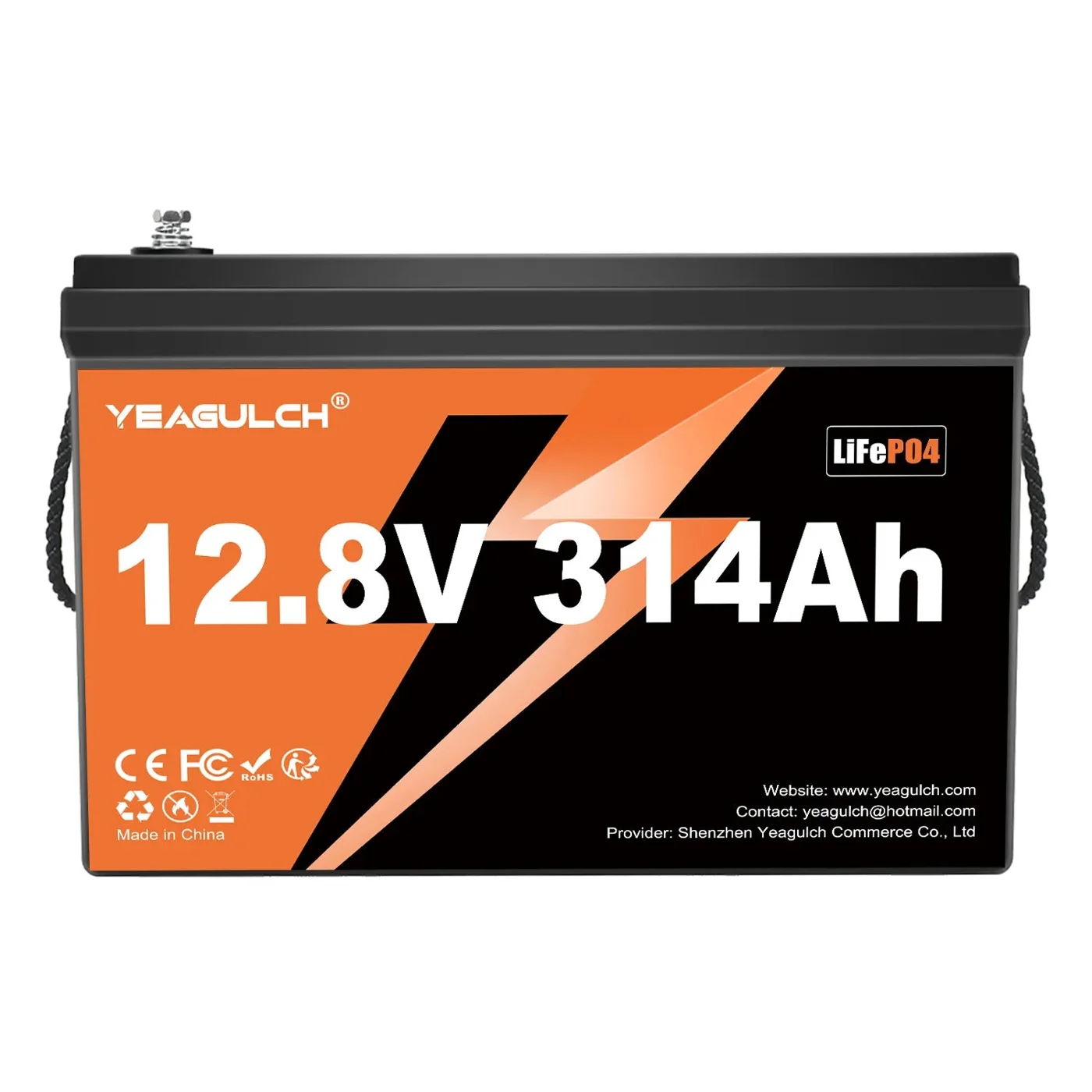
4,019Wh of raw LiFePO4 per unit with a 200A BMS, 15,000 plus cycles, and parallel growth toward 16kWh. The cost effective core of a self built RV, marine, or solar bank.
Full review →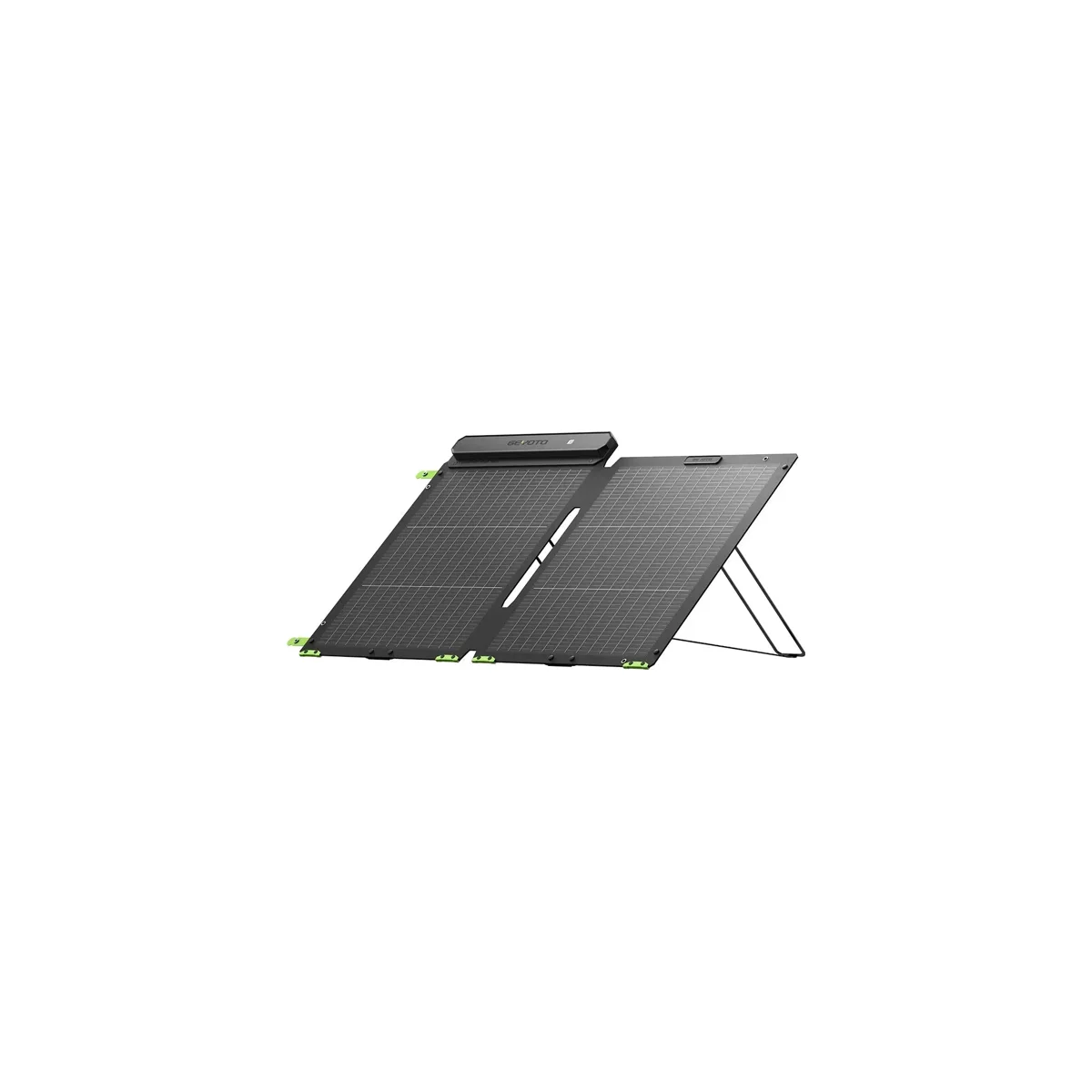
100W of bifacial solar in 8.38 pounds, folding to laptop bag size. It holds a 1,000Wh station through a campsite day and tops a 256Wh battery in a short window of sun.
Full review →