renogy
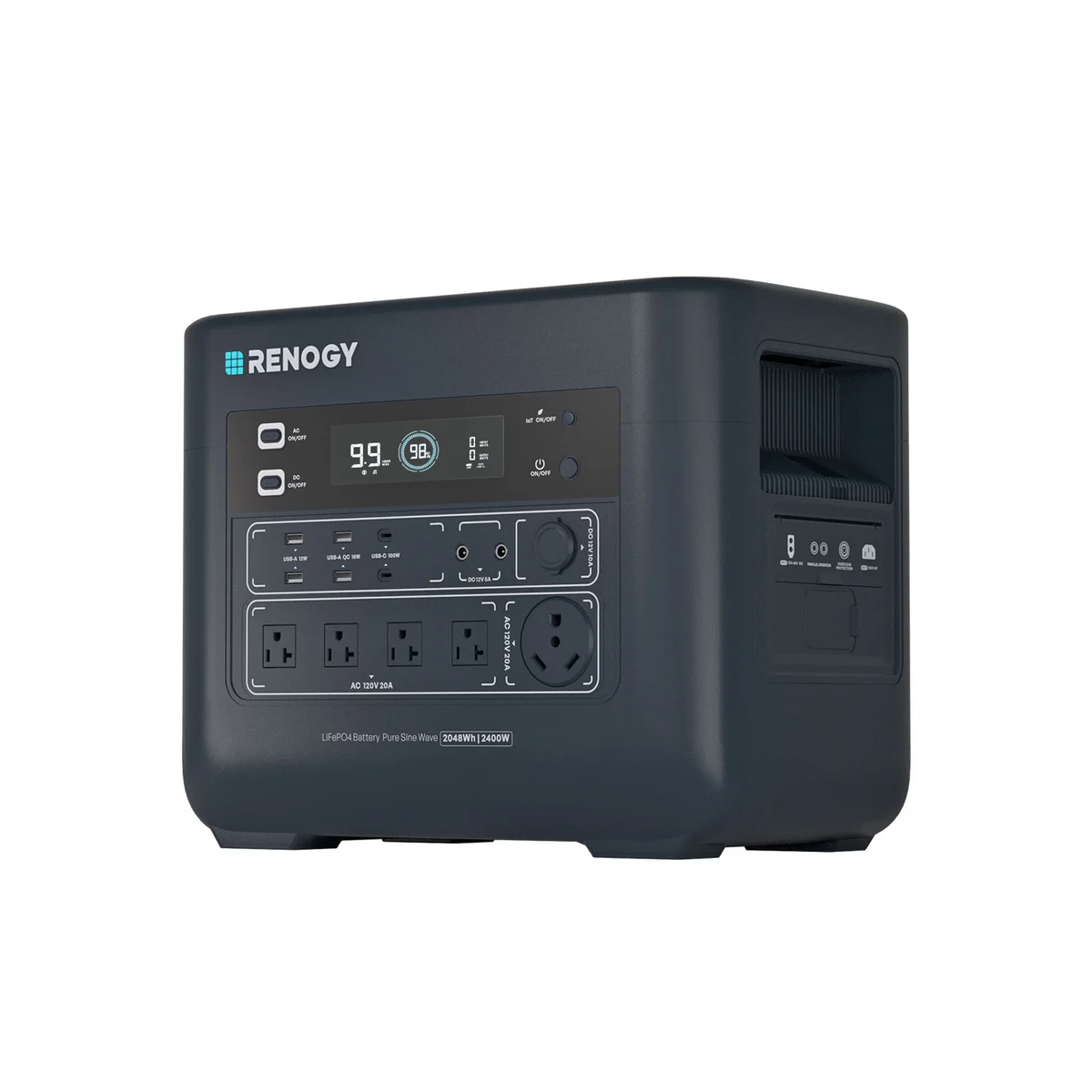
Renogy PowerStation 2000
2,048Wh in a suitcase with a direct TT 30 RV outlet, five ways to charge, and 25 decibel quiet. Built for Renogy builders, RV campers, and an outage kit that fits the camper.
Full review →
Categories
CampingQuiet electricity for the campsite: lights, phones, a fan, and the coffee maker, without a generator's noiseHome backupWhen the grid drops, essentials stay on: fridge, router, lights in one room, phones charged, medical devicesEvents & on-siteRunning shows, shoots, food stalls, and vendor booths off the grid, with clean power and no fumesEmergency prepThe battery you want charged before the storm: communications, lighting, refrigeration, and medical devicesRV / off-gridHouse power that moves with you: 12-volt ecosystems, solar pairing, and batteries that charge from the12V & jump startThe 12-volt rescue: keeping vehicle accessories, lights, and small 12-volt systems alive when you are the onlyProducts
All power stationsCompare specsAferiyAllpowersAnker SOLIXBLUETTIEcoFlowGeyotoGoal ZeroGrowattJackeryRenogyYEAGULCHArticles
Residential vs Business Portable Power: How to Tell What You Actually NeedPortable Power for a Landscaping Company: Ditching the 200-Foot Extension CordPortable Power for a Food Truck That Wants to Plug In AnywhereRunning Job Site Power Without a GeneratorWhole Home Backup vs Appliance Backup: Pick the Right SizeHow Long Will a Power Station Run: A Practical Planning GuidePairing a Solar Panel for a Power Station: What to MatchPortable Power for Outdoor Events: Weddings and ReceptionsGuides
Portable Power for Camping: The Complete Guide to On-Site ElectricityPortable Power for Home Power Outages: A Real Backup Plan for the GridPortable Power for Events & On-Site Work: Running Shows, Shoots, and Stands Off the GridPortable Power for Emergencies: The Battery You Want Charged Before the StormPortable Power for Jump-Starting a Car & Vehicle PowerPortable Power for RV, Van Life & Off-Grid Living Compare AboutTrust
Affiliate Disclosure Privacy Policy Terms of UseThis is not a power station, and that is the first thing a builder needs to hear before wiring anything. The YEAGULCH 12V 314Ah is a raw lithium iron phosphate house bank battery for people who would rather assemble their own power system than buy a sealed one. A single unit stores 4,019Wh, more than most 2kWh portable stations, at a fraction of the finished station price at that capacity. The trade is plain. The battery ships with no inverter, no outlets, and no charger, so it drops into an existing 12V system with an inverter and a charge controller already in place, or it becomes the starting point of a build where you add both. The specification targets the builder bench. A 200 amp battery management system handles high draw loads such as an inverter or a winch, and the cells are rated for more than 15,000 deep cycles, a service life that dwarfs sealed consumer stations. Low temperature protection blocks charging damage in cold weather, a common way lithium banks die in winter. The group size footprint matches the standard 12V house battery size in RVs and marine rigs, so terminals drop into existing wiring with the fuse and connector sizes a builder already has. Standard lithium charging with low temperature cut out suits solar and alternator systems. Two or more units wire in parallel to grow the bank, and a modest four battery bank approaches 16kWh, enough to run a cabin or a full size RV through an extended outage. At about 65 pounds per unit a bank is a garage or floor bolted installation, not a carry around, and the 200 amp terminals want properly rated fusing and cabling. It suits RV house battery upgrades, marine systems, and solar arrays that need storage behind the charge controller, and it is the wrong choice for anyone who wants to plug a fridge in straight from the box. Read the full review below, then check the current offer.
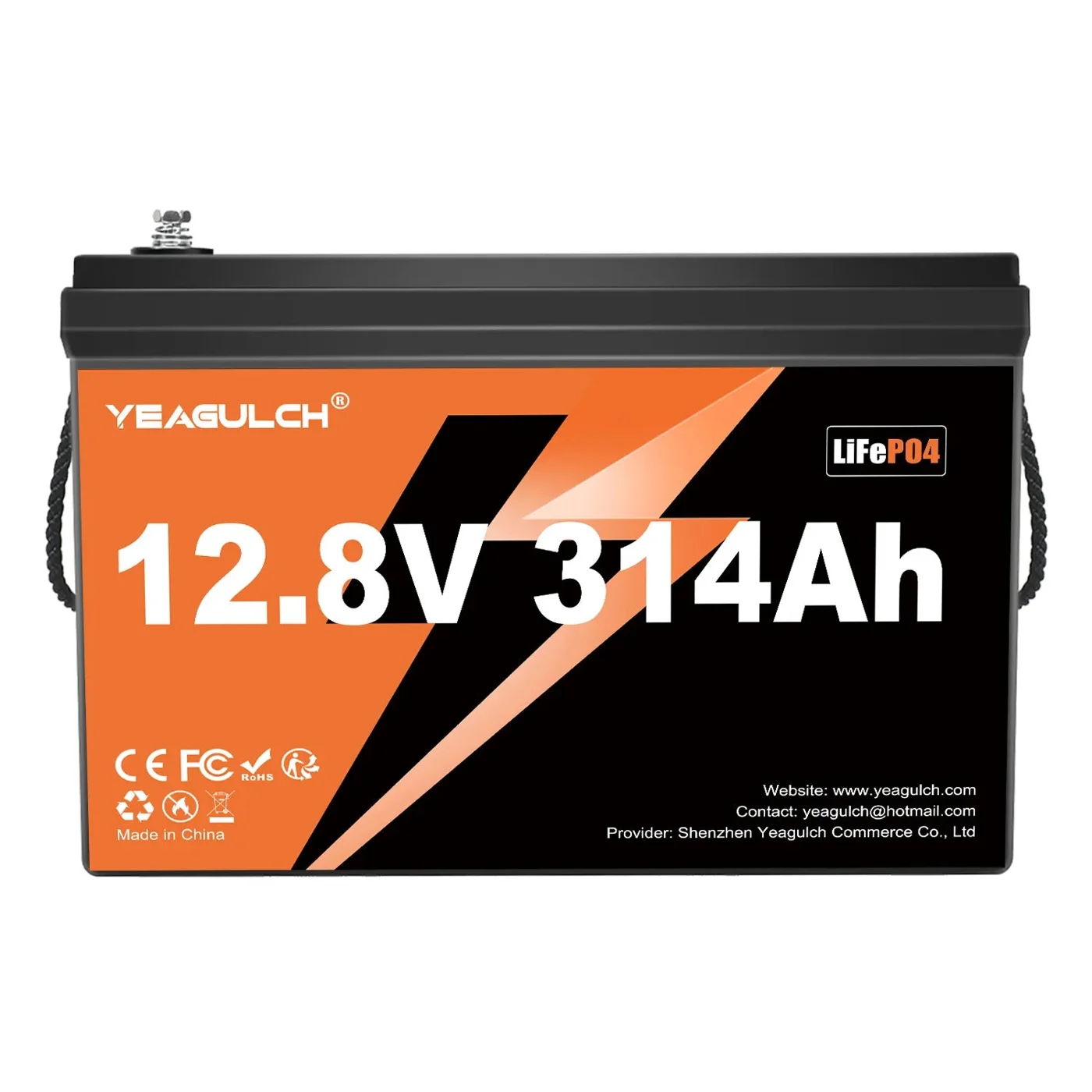
This is not a power station, and that is the first thing a builder needs to hear before wiring anything. The YEAGULCH 12V 314Ah is a raw LiFePO4 house-bank battery for people who would rather assemble their own power system than buy a sealed one, and it is the LiFePO4 battery for off-grid builds that makes the economics work. A single unit stores 4,019Wh, more than most 2kWh portable stations, and it costs a small fraction of what a finished station at that capacity commands. The trade is that the battery ships with no inverter, no outlets, and no charger, so it drops into an existing 12V system with an inverter and charge controller already in place, or it is the starting point of a build where the buyer adds both.
The spec sheet is aimed squarely at the builder's bench. A 200A battery management system handles high-draw loads like an inverter or a winch, the cells are rated for 15,000-plus deep cycles, and low-temperature protection blocks charging damage in cold weather, a common way lithium banks die in winter. The Group-size form factor matches the standard 12V house-battery footprint in RVs and marine rigs, so the terminals drop into existing wiring with the fuse and connector sizes the builder already has. Two or more units wire in parallel to grow the bank, and a modest four-battery bank approaches 16kWh, enough to run a cabin or a full-size RV through an extended outage.
**Who this LiFePO4 battery for off-grid use is for, and who it is not, is worth stating plainly.** It is the right choice for an RV house-battery upgrade, a marine system, a trolling-motor bank, or a solar array that needs storage behind the charge controller, and for a buyer who already owns, or plans to own, the inverter and the solar side of the system. It is the wrong choice for someone who wants to unbox a product and plug a refrigerator into it, because that is a power station job, and this battery does not do that alone. Pairing it with solar is where the build earns its cost: the battery absorbs a day of panel output and releases it overnight, which is the same job a 2kWh station does at several times the price per watt-hour. That makes the LiFePO4 battery for off-grid use the cost-effective core of a self-built system.
At roughly 65 pounds per unit, a bank is a garage or floor-bolted installation, not a carry-around, and the 200A BMS terminals want appropriately rated fusing and cabling that a serious builder already plans for. For the DIY off-grid builder who wants a deep cycle lithium battery bank that scales to 16kWh and holds a decade of daily cycles, the YEAGULCH 314Ah is the backbone of the build, and the current price is on the brand's product page.
This is not a power station, and that is the first thing a builder needs to hear before wiring anything. The YEAGULCH 12V 314Ah is a raw LiFePO4 house bank battery for people who would rather assemble their own power system than buy a sealed one, and it is the battery that makes the economics work. A single unit stores 4,019Wh, more than most 2kWh portable stations, for a fraction of what a finished station at that capacity commands. The trade is that the battery ships with no inverter, no outlets, and no charger, so it drops into an existing 12V system or anchors a build where the buyer adds both.
Who this battery is for and who it is not is worth stating plainly. It is the right choice for an RV house battery upgrade, a marine system, a trolling motor bank, or a solar array that needs storage behind the charge controller, for a buyer who already owns or plans to own the inverter and the solar side. It is the wrong choice for someone who wants to unbox a product and plug a refrigerator into it, because that is a power station job and this battery does not do that alone.
The cost per watt hour saves the build money. A 4,019Wh unit at this price class is a fraction of a finished station at the same capacity, which leaves budget for the inverter, the controller, and the cabling that a finished box hides. Pairing the battery with solar is where the build earns its cost, because the bank absorbs a day of panel output and releases it overnight, which is the same job a 2kWh station does at several times the price per watt hour.
The 15,000 plus cycle rating saves the replacement schedule. A decade of daily cycles is the horizon where a self built bank stops being a project and becomes an appliance. Low temperature protection blocks charging damage in cold weather, which is a common way lithium banks die in winter, so the rating survives the seasons rather than just the summer.
Think in tiers: one unit anchors a small RV or marine bank, two or more in parallel grow the reserve, and a four battery bank approaches 16kWh for a cabin or a full size RV through an extended outage. Confirm the warranty and the BMS documentation before you buy, and budget for an inverter, a charge controller, fusing, and cabling as part of the system. Size the bank to the overnight load, since storage without generation only delays the next charge.
This fits an RV house battery upgrade, a marine system, a trolling motor bank, and a solar array that needs storage behind the charge controller. It suits a buyer who already owns or plans to own the inverter and the solar side. It does not fit someone who wants to unbox a product and plug a refrigerator into it, because the battery ships with no inverter, no outlets, and no charger, and a finished station is the honest buy for that job.
Why does the 200A BMS matter to a builder. It handles high draw loads like a large inverter, a winch, or a trolling motor without shutting down on a surge. An undersized BMS is the part that ends a build early, and 200A gives the inverter side room to work. Fuse and cable sizing still need to match, because the battery rating does not replace the wiring.
How does a bank grow toward 16kWh. Two or more units wire in parallel to increase capacity while staying at 12V, and series wiring raises the voltage for larger systems. A modest four battery bank approaches 16kWh, enough for a cabin or a full size RV through an extended outage. Plan the wiring and the fusing before the first unit arrives, not after.
What does low temperature protection actually do. It blocks charging when the cells are too cold, which protects the battery from damage that lithium chemistry suffers in winter. That matters for a bank that lives in a boat, an RV, or a shed through a freeze. The protection keeps the cycle rating honest across seasons rather than just summer.
Against a finished 2kWh station the battery trades convenience for cost per watt hour. A station arrives with an inverter, outlets, and a charger in one box, while this battery needs an inverter and a controller added to the budget. The bank wins when the builder values a decade of cycles and parallel growth, and the station wins when the job is unbox and plug in.
Against smaller lithium batteries the 314Ah trades a larger single unit for fewer connections. A smaller battery is lighter per unit and easier to place, but it needs more units wired in parallel for the same reserve. This format matches standard house battery footprints and reaches 4,019Wh per unit, which simplifies the wiring for a serious build.
A common mistake is buying the battery without a plan for the inverter and the controller. The unit ships with no inverter, no outlets, and no charger, so it cannot power a refrigerator alone. Budget the full system, inverter, controller, fusing, and cabling, before the battery arrives, because a bank with no inverter is storage with nowhere to go.
A second mistake is undersizing the fusing and cabling for a 200A BMS. The battery can deliver more current than a casual wiring job expects, and heat in a loose connection ends builds early. Use appropriately rated fusing and cabling that a serious builder plans for, and check the terminals once a season.
Get the most from this setup by pairing the bank with solar sized to the overnight load. The battery absorbs a day of panel output and releases it overnight, which is the job that makes the build earn its cost. A controller matched to the array turns sun into reserve every day, and the 15,000 plus cycle rating turns days into decades.
A second habit is treating the bank as a permanent install from the first day. Route the cables neatly, label the fusing, and keep the terminals accessible for a seasonal check. A bank that is wired once and inspected twice a year serves for the full rating, while a cabinet of loose connections fails at the first winter.
Store the bank at a mid range charge, check the terminals and fusing each season, and keep the batteries in a dry, temperate space with ventilation. Low temperature protection guards the cells in winter, but a bank left empty in a freezing shed through deep cold still ages faster than one kept at a healthy charge in a sheltered spot.
Links open the official listing. Price, terms, and availability can change, so the live page is the source of truth.
Same situation, different option. Worth comparing before you decide.
2,048Wh in a suitcase with a direct TT 30 RV outlet, five ways to charge, and 25 decibel quiet. Built for Renogy builders, RV campers, and an outage kit that fits the camper.
Full review →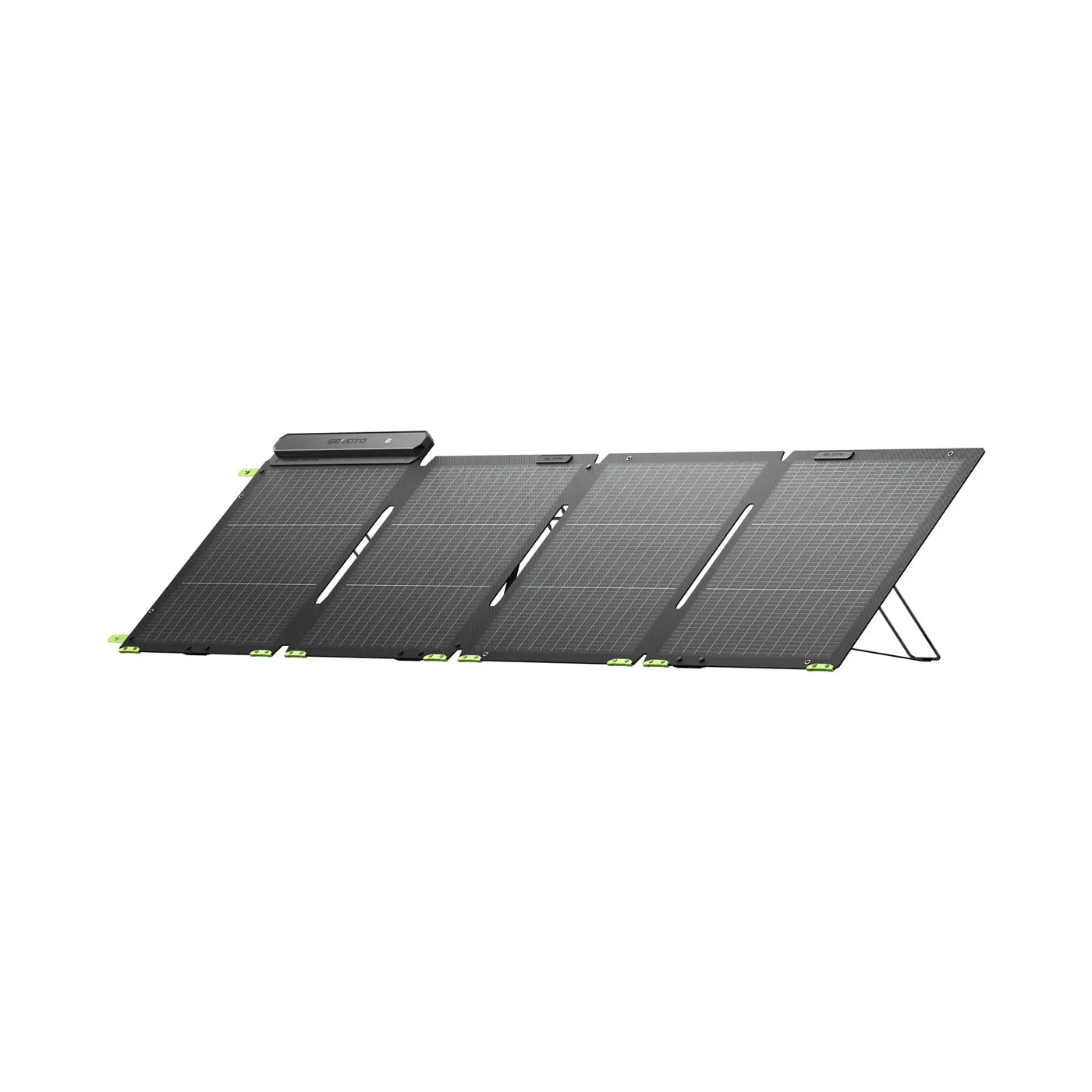
200W of bifacial solar that refills a 1,000Wh station in a single afternoon of strong sun. About 15 pounds, foldable, and built for RV arrays and work sites.
Full review →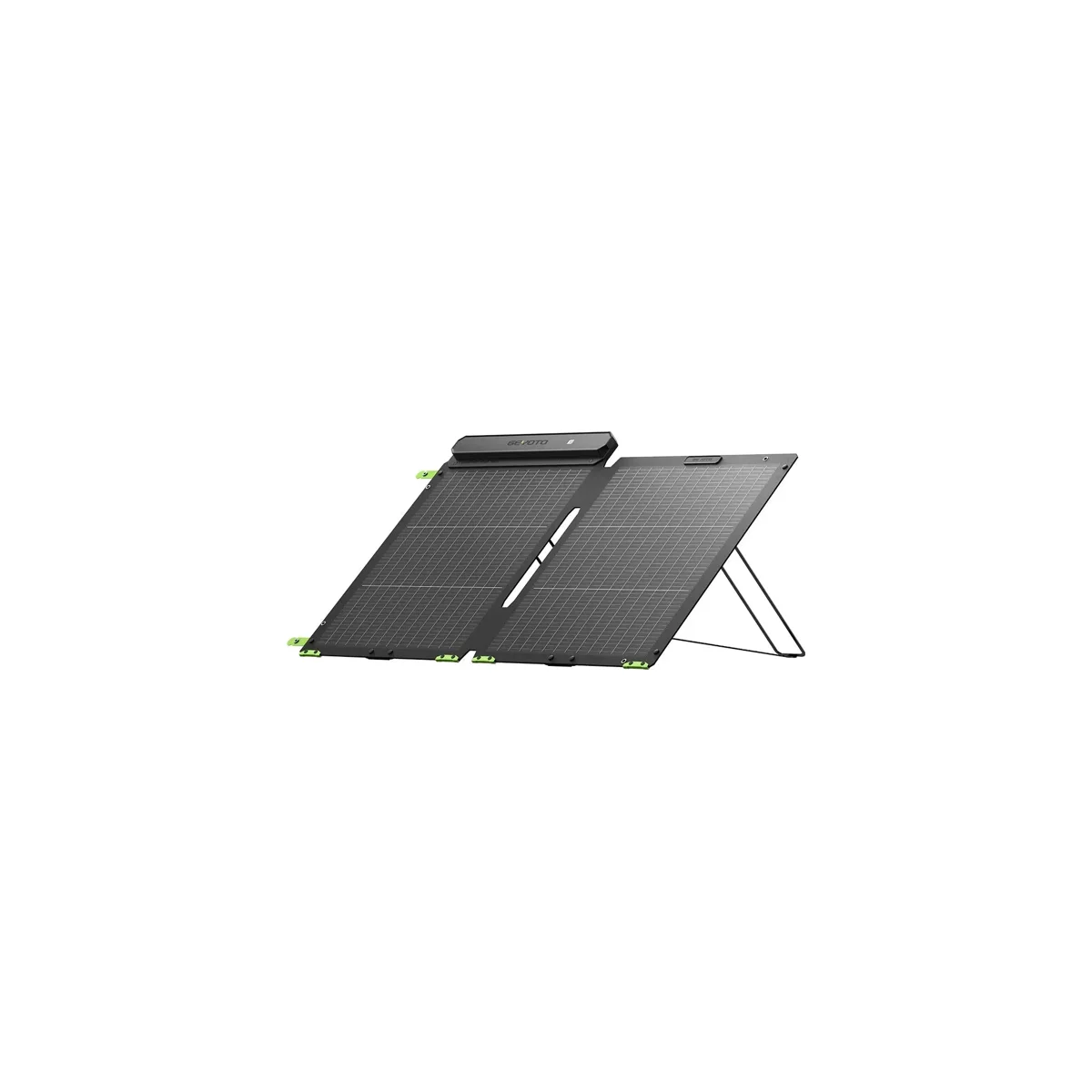
100W of bifacial solar in 8.38 pounds, folding to laptop bag size. It holds a 1,000Wh station through a campsite day and tops a 256Wh battery in a short window of sun.
Full review →