yeagulch
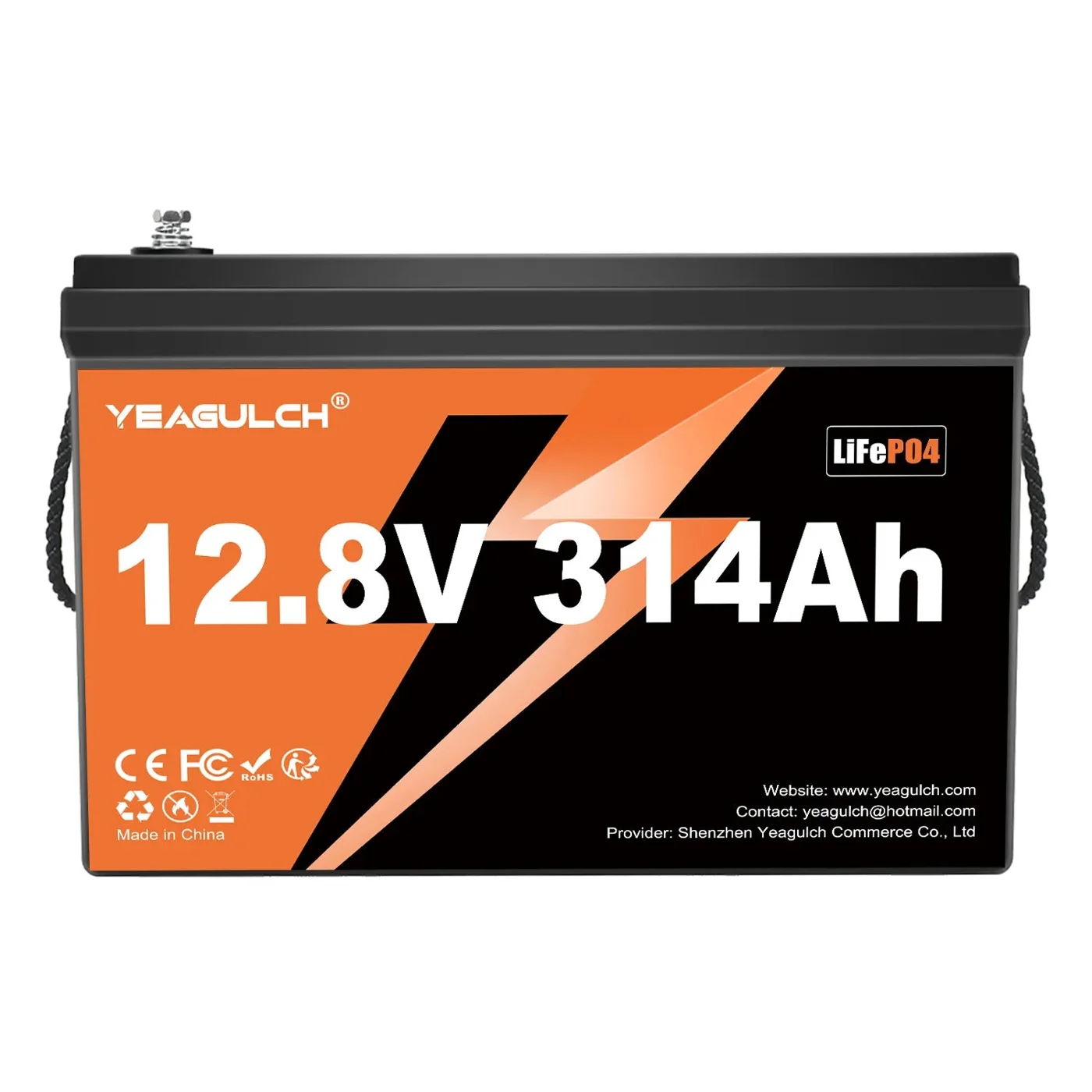
YEAGULCH 12V 314Ah LiFePO4 Battery
4,019Wh of raw LiFePO4 per unit with a 200A BMS, 15,000 plus cycles, and parallel growth toward 16kWh. The cost effective core of a self built RV, marine, or solar bank.
Full review →
Categories
CampingQuiet electricity for the campsite: lights, phones, a fan, and the coffee maker, without a generator's noiseHome backupWhen the grid drops, essentials stay on: fridge, router, lights in one room, phones charged, medical devicesEvents & on-siteRunning shows, shoots, food stalls, and vendor booths off the grid, with clean power and no fumesEmergency prepThe battery you want charged before the storm: communications, lighting, refrigeration, and medical devicesRV / off-gridHouse power that moves with you: 12-volt ecosystems, solar pairing, and batteries that charge from the12V & jump startThe 12-volt rescue: keeping vehicle accessories, lights, and small 12-volt systems alive when you are the onlyProducts
All power stationsCompare specsAferiyAllpowersAnker SOLIXBLUETTIEcoFlowGeyotoGoal ZeroGrowattJackeryRenogyYEAGULCHArticles
Residential vs Business Portable Power: How to Tell What You Actually NeedPortable Power for a Landscaping Company: Ditching the 200-Foot Extension CordPortable Power for a Food Truck That Wants to Plug In AnywhereRunning Job Site Power Without a GeneratorWhole Home Backup vs Appliance Backup: Pick the Right SizeHow Long Will a Power Station Run: A Practical Planning GuidePairing a Solar Panel for a Power Station: What to MatchPortable Power for Outdoor Events: Weddings and ReceptionsGuides
Portable Power for Camping: The Complete Guide to On-Site ElectricityPortable Power for Home Power Outages: A Real Backup Plan for the GridPortable Power for Events & On-Site Work: Running Shows, Shoots, and Stands Off the GridPortable Power for Emergencies: The Battery You Want Charged Before the StormPortable Power for Jump-Starting a Car & Vehicle PowerPortable Power for RV, Van Life & Off-Grid Living Compare AboutTrust
Affiliate Disclosure Privacy Policy Terms of UseIf you already run Renogy solar panels, a Renogy inverter, or a Renogy lithium battery and you want the station that closes the loop, the Renogy PowerStation 2000 is the off grid choice for that ecosystem. It holds 2,048Wh of lithium iron phosphate energy in a 51.8 pound suitcase style unit and drives a 2,400W inverter with 3,600W of surge, and it accepts Renogy own panels through a standard solar input so a builder already in the Renogy world does not need a second brand to go mobile. The cells are rated for more than 3,000 charge cycles, which supports years of regular use. Five charging paths are the real story for RV and job site buyers. AC, solar, AC plus solar hybrid, gas generator, and vehicle input all feed the battery, and a wall charge reaches 80 percent in about an hour, so a lunch stop at a campground hookup fills the station back up. Pair it with two 200W Renogy panels and it becomes a true solar generator that recharges across a single afternoon of good sun, the difference between a backup you can rely on and one that drains. The companion app monitors state of charge and output from indoors, which matters on a rainy night. A built in TT-30 RV outlet is the feature that earns this unit its place in the travel trailer category, a direct shore power connection with no adapter needed. For home backup, the UPS hands over in under twenty milliseconds, keeping a router, a computer, or a breathing machine alive through a blip, and twenty five decibel operation is quieter than a conversation. The 2,048Wh capacity is fixed with no expansion battery. It suits RV weekends, tailgating, job sites, and fridge plus Wi-Fi outage kits at a value price. Read the full review below, then check the current offer.
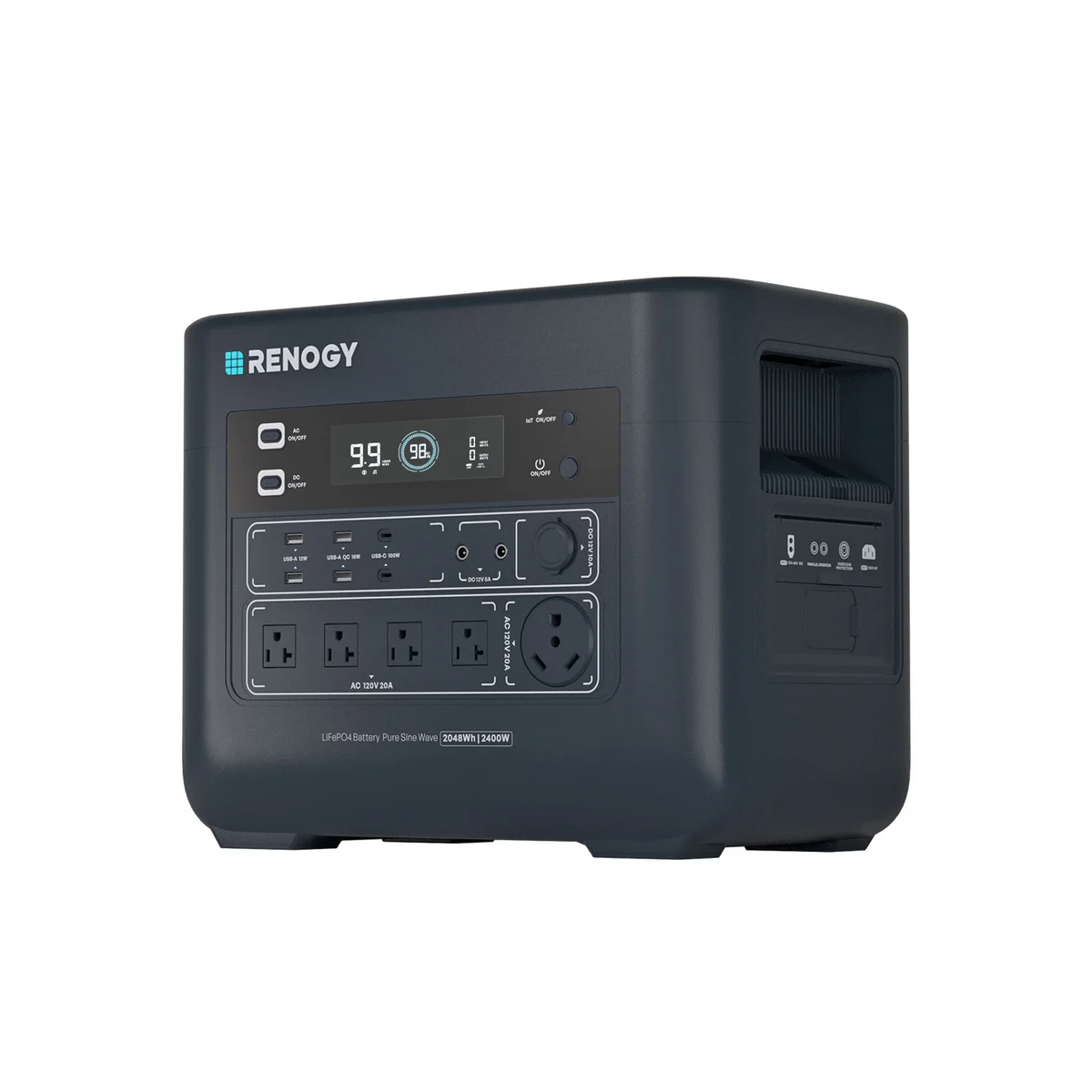
If you already run Renogy solar panels, a Renogy inverter, or a Renogy lithium battery in the garage or on the roof, the PowerStation 2000 is the off-grid power station that closes the loop. It holds 2,048Wh of LiFePO4 in a 51.8 lb suitcase-style unit and pushes a 2,400W inverter with 3,600W of surge, and it accepts Renogy's own panels through a standard solar input, so the builder who has spent years in the Renogy ecosystem does not have to buy a second brand to go mobile.
**As an off-grid power station, the five charging paths are the real story.** AC, solar, AC-plus-solar hybrid, gas generator, and car input all feed the battery, and the 0 to 80 percent recharge in about an hour from the wall means a lunch stop at a campground hookup fills it back up. Pair it with two Renogy 200W panels and the station becomes a true solar generator that recharges through a single afternoon of good sun, which is the difference between a backup you can rely on and one that drains.
The built-in TT-30 RV outlet is the feature that earns this unit a place in the RV category. It is a direct shore-power connection, no adapter needed, which makes the PowerStation 2000 the natural recommendation for anyone powering a travel trailer or a motorhome off-grid. For home backup, the sub-20 millisecond UPS keeps a router, a computer, or a CPAP machine alive through a grid blip without a reboot, and the 25dB operating level is quieter than a conversation, so the unit can live inside a camper or a bedroom without being obnoxious. The companion app monitors state of charge and output without walking outside to the unit, which matters on a rainy night.
The honest limits: 2,048Wh is a fixed capacity, so there is no expansion battery for growing into a whole-home setup, and the 51.8 lb weight means it moves on a cart or in a vehicle rather than in a backpack. For a reader whose plan is RV weekends, long-duration off-grid stretches, tailgating, job-site power, or an outage kit for the fridge and Wi-Fi, this is the value pick of the 2kWh class.
Priced in the mid-$800s, it is the off-grid power station for the builder who already runs Renogy gear, and the Amazon listing is where the current price sits.
If you already run Renogy solar panels, a Renogy inverter, or a Renogy lithium battery in the garage or on the roof, the PowerStation 2000 is the station that closes the loop. It holds 2,048Wh in a 51.8 pound suitcase style unit with a 2,400W inverter and 3,600W surge, and it accepts Renogy's own panels through a standard solar input. For an off grid power station, that ecosystem fit removes the second brand question that stalls a lot of builders.
The built in TT 30 RV outlet is the feature that earns this unit a place in the RV category. It is a direct shore power connection with no adapter needed, which makes the station the natural recommendation for powering a travel trailer or a motorhome off grid. For home backup, the sub 20 millisecond UPS keeps a router, a computer, or a CPAP alive through a grid blip, and the 25 decibel operating level is quieter than a conversation.
The five charging paths save the wait. AC, solar, AC plus solar hybrid, gas generator, and car input all feed the battery, and the 0 to 80 percent recharge in about an hour from the wall means a lunch stop at a campground hookup fills it back up. A station with five refill paths is rarely stuck waiting on a single source when the weather or the road changes.
The app monitoring saves the walk in the rain. State of charge and output are visible from a phone without walking outside to the unit, which matters on a dark night when the station is in a camper annex. A backup you can check from bed gets checked, and one you cannot check gets forgotten until the morning it should have been full.
This is a fixed capacity 2,048Wh tier with no expansion battery, so think of the choice as which 2kWh class you want. Confirm the warranty, which is a 3 year prorated coverage on this model, and check whether Renogy panels are bundled or priced separately. Size for RV, camping, and fridge plus Wi-Fi outage duty, and pair the station with solar panels for extended runtime rather than expecting expansion batteries.
This fits Renogy builders, RV campers who want TT 30 direct, tailgaters, job site power, and a household outage kit for the fridge and Wi-Fi. It suits long duration off grid stretches with a solar array. It does not fit a buyer who wants to grow into a whole home battery system, because there is no expansion battery, and a 51.8 pound unit moves on a cart or in a vehicle rather than in a backpack.
How do the five charging paths actually help. AC refills fastest at home, solar refills off grid, hybrid runs both at once, a gas generator refills in the field, and car input refills on the road. Each path covers a gap the others miss, so the battery is rarely waiting on a single source. A lunch stop at a hookup or a generator at a job site becomes a real refill plan.
Will it really run a travel trailer shore load. The built in TT 30 outlet feeds an RV shore power load directly with no adapter between the station and the vehicle. That direct connection is what earns the unit its place in the RV category. Pair it with solar panels and the trailer becomes a true solar generator through a single afternoon of good sun.
How quiet is 25 decibels in a camper. It is quieter than a conversation and far quieter than a canvas flap in the wind, so the station can live inside a camper or a bedroom without being obnoxious. At that level the fans are background by the second night. A household that wants indoor placement gets it with this class.
Against 2kWh rivals outside the Renogy ecosystem the PowerStation trades a generalist sticker for builder fit. Rivals may offer expansion batteries or higher surge figures, but they do not accept Renogy's own panels through a standard input with the same easy logic. For a builder who already runs Renogy gear, the ecosystem is worth more than a spec sheet advantage.
Against 1kWh stations the PowerStation trades weight for a TT 30 outlet and five charging paths. A smaller unit is lighter and cheaper but cannot feed a travel trailer shore load or refill from a gas generator. The 2kWh class wins when RV and job site duty are the plan, and the 1kWh class wins for a pure home essentials kit.
A common mistake is expecting to bolt on extra batteries later. Capacity is fixed at 2,048Wh, so there is no expansion battery for growing into a whole home setup. Pair the station with solar panels for extended runtime and plan the load list around the fixed reserve instead of assuming growth.
A second mistake is treating 51.8 pounds as a backpack carry. The suitcase style unit moves on a cart or in a vehicle, and it should be given a camper or garage spot. Plan the install and the cable routing before it arrives rather than discovering the weight on a campground slope.
Get the most from this setup by pairing the station with two Renogy 200W panels. Solar input through the standard input can recharge the battery through a single afternoon of good sun, turning the station into a true solar generator for long off grid stretches. Test the layout at home so the camp day is execution.
A second habit is letting the app replace the nightly walk to the unit. Check the state of charge from the phone before bed and in the morning, and let the monitoring keep the battery honest. A station that is checked from bed gets topped up in time, while one that needs a rain walk gets forgotten.
Store the battery at a mid range charge, run a full cycle a couple of times a year, and keep the vents clear of dust. The 3,000 plus cycle design rewards a dry, temperate spot, quiet operation keeps the interior cool, and a battery left empty in a hot trailer until the next season shortens the honest life of any suitcase station.
Links open the official listing. Price, terms, and availability can change, so the live page is the source of truth.
Same situation, different option. Worth comparing before you decide.
4,019Wh of raw LiFePO4 per unit with a 200A BMS, 15,000 plus cycles, and parallel growth toward 16kWh. The cost effective core of a self built RV, marine, or solar bank.
Full review →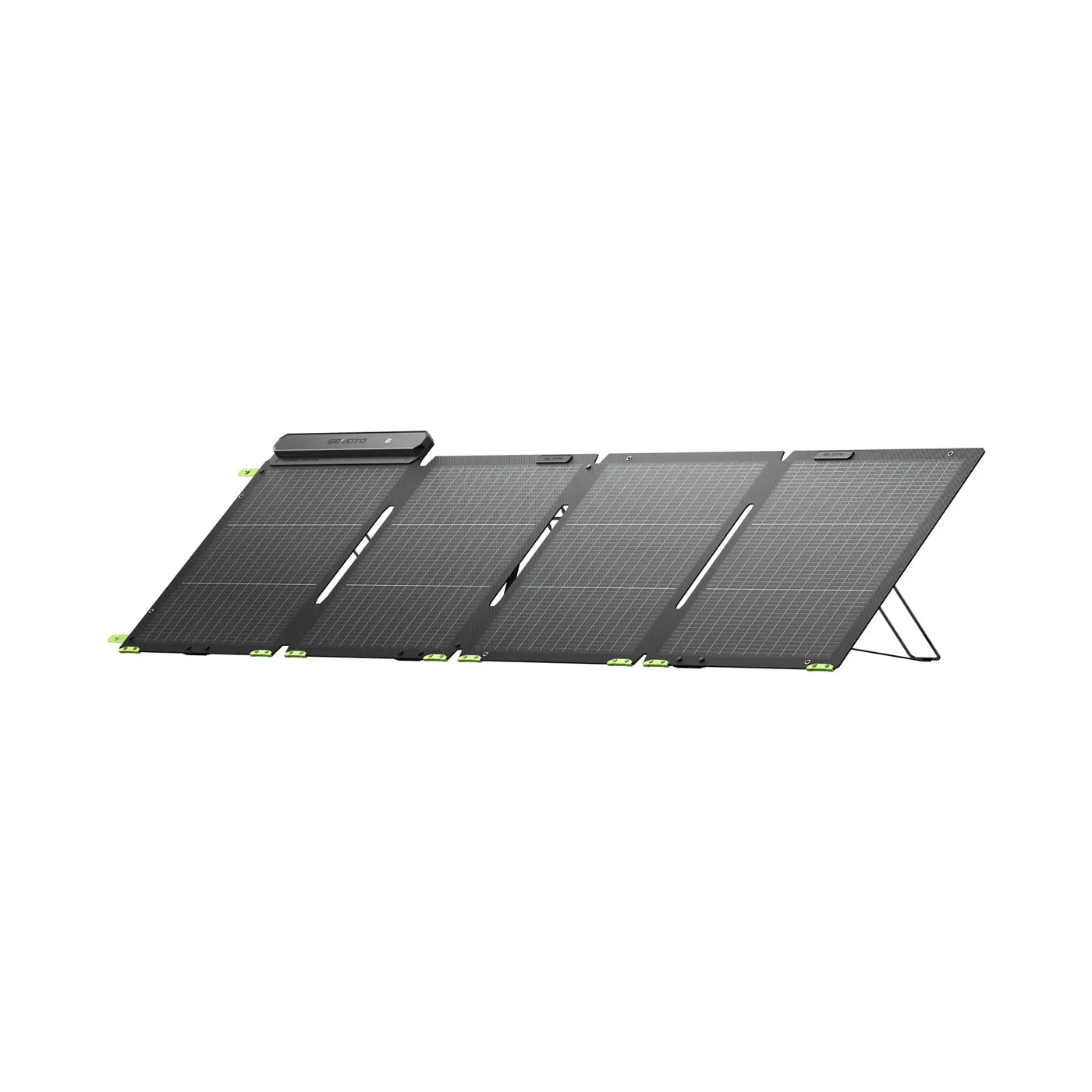
200W of bifacial solar that refills a 1,000Wh station in a single afternoon of strong sun. About 15 pounds, foldable, and built for RV arrays and work sites.
Full review →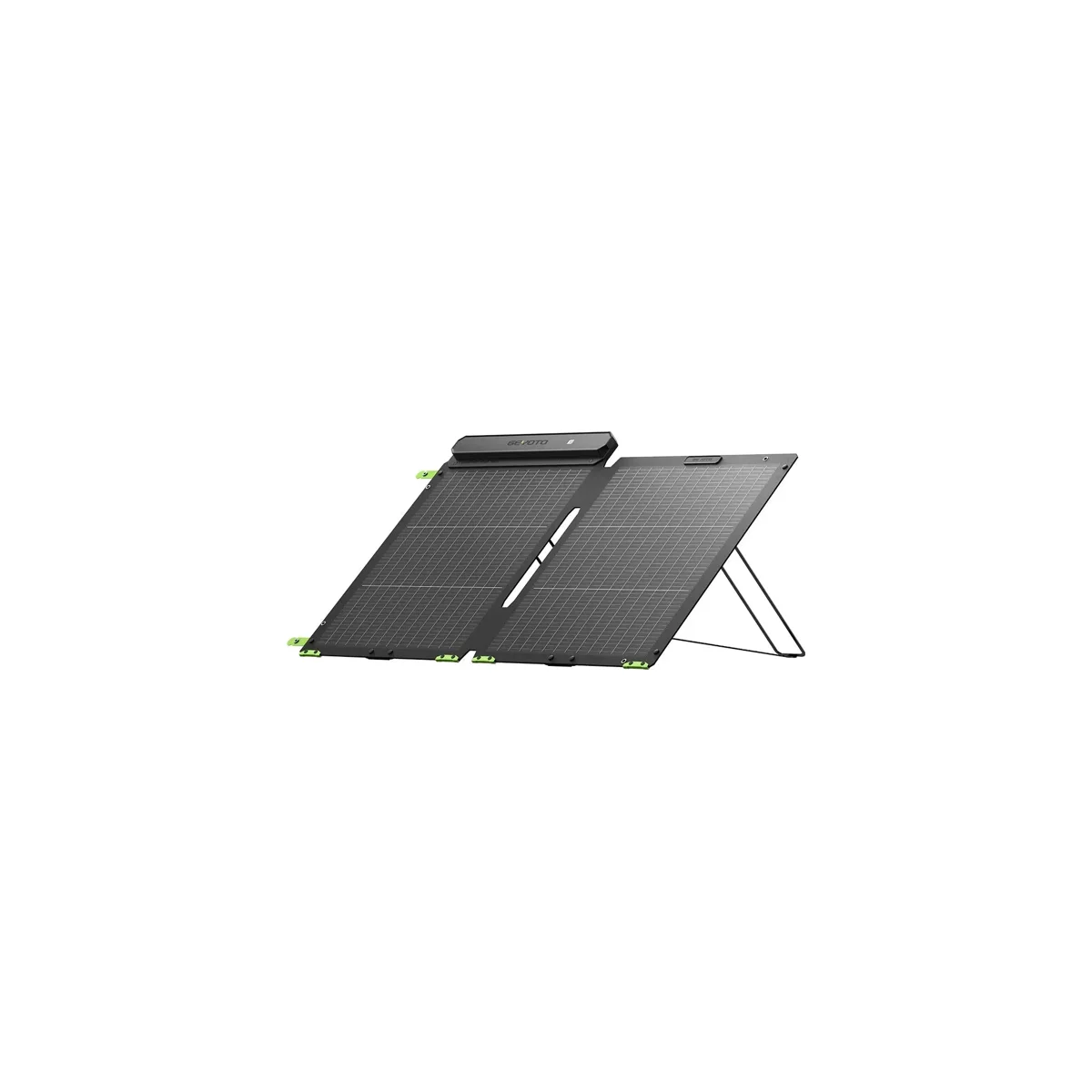
100W of bifacial solar in 8.38 pounds, folding to laptop bag size. It holds a 1,000Wh station through a campsite day and tops a 256Wh battery in a short window of sun.
Full review →