ecoflow
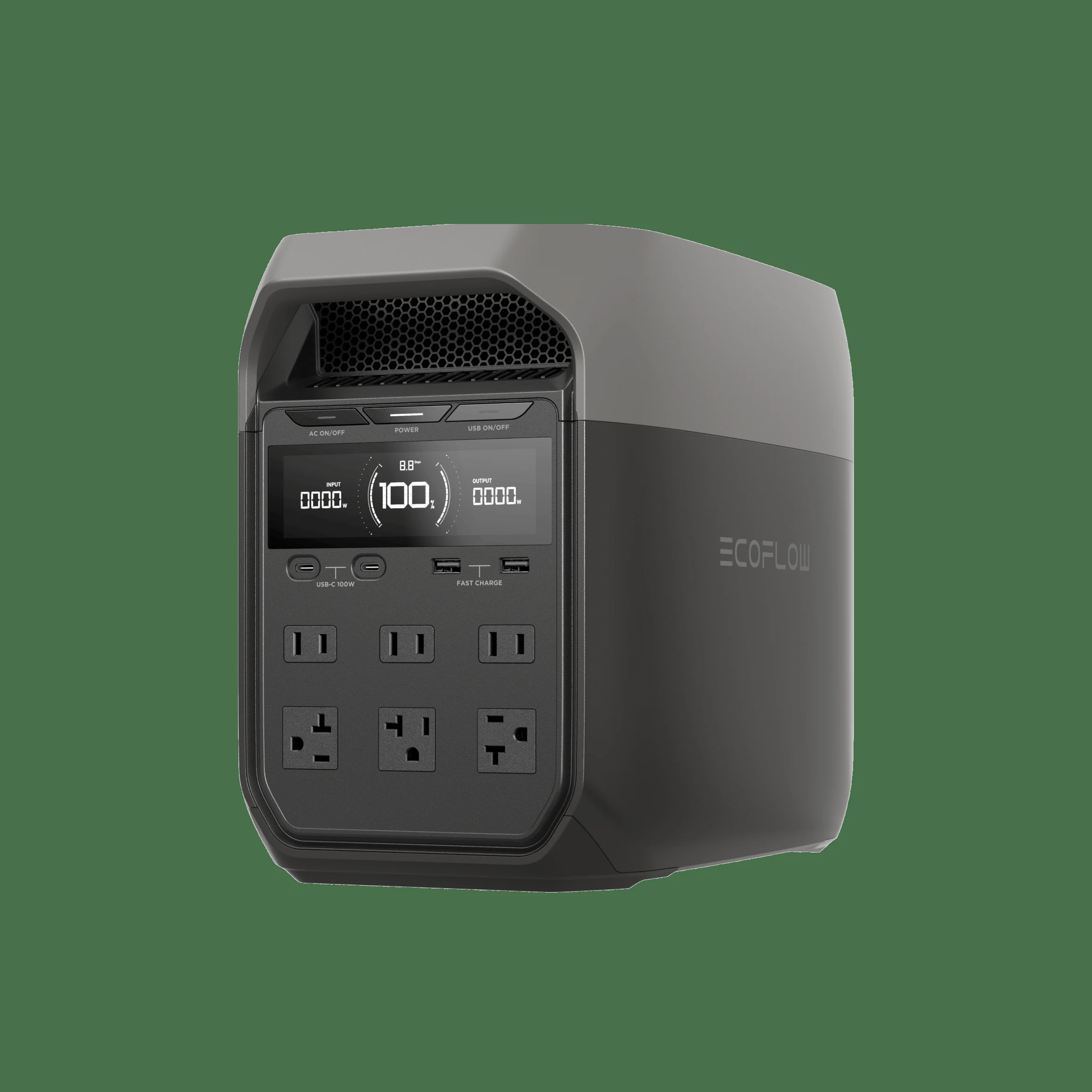
EF ECOFLOW DELTA 2
Budget home backup with 1,024Wh, 1,800W output, 50 minute charging, and a path to 3,072Wh. It covers a fridge, router, and lights through a typical outage, then grows later.
Full review →
Categories
CampingQuiet electricity for the campsite: lights, phones, a fan, and the coffee maker, without a generator's noiseHome backupWhen the grid drops, essentials stay on: fridge, router, lights in one room, phones charged, medical devicesEvents & on-siteRunning shows, shoots, food stalls, and vendor booths off the grid, with clean power and no fumesEmergency prepThe battery you want charged before the storm: communications, lighting, refrigeration, and medical devicesRV / off-gridHouse power that moves with you: 12-volt ecosystems, solar pairing, and batteries that charge from the12V & jump startThe 12-volt rescue: keeping vehicle accessories, lights, and small 12-volt systems alive when you are the onlyProducts
All power stationsCompare specsAferiyAllpowersAnker SOLIXBLUETTIEcoFlowGeyotoGoal ZeroGrowattJackeryRenogyYEAGULCHArticles
Residential vs Business Portable Power: How to Tell What You Actually NeedPortable Power for a Landscaping Company: Ditching the 200-Foot Extension CordPortable Power for a Food Truck That Wants to Plug In AnywhereRunning Job Site Power Without a GeneratorWhole Home Backup vs Appliance Backup: Pick the Right SizeHow Long Will a Power Station Run: A Practical Planning GuidePairing a Solar Panel for a Power Station: What to MatchPortable Power for Outdoor Events: Weddings and ReceptionsGuides
Portable Power for Camping: The Complete Guide to On-Site ElectricityPortable Power for Home Power Outages: A Real Backup Plan for the GridPortable Power for Events & On-Site Work: Running Shows, Shoots, and Stands Off the GridPortable Power for Emergencies: The Battery You Want Charged Before the StormPortable Power for Jump-Starting a Car & Vehicle PowerPortable Power for RV, Van Life & Off-Grid Living Compare AboutTrust
Affiliate Disclosure Privacy Policy Terms of UseFor a short trip where the gear list is light and the goal is phones, a laptop, a camera, and maybe a small cooler, the GEYOTO N300 stops being a compromise and starts being the right size. It packs 256Wh of UL 1973 certified lithium iron phosphate energy into a 7.72 pound silicone armored body, and drives a 300W pure sine inverter with 550W of surge for small AC loads. The cells are rated for more than 4,000 cycles to 80 percent, which means years of trip after trip use sit comfortably inside the design window. The port spread is the quiet strength here. Nine outlets in total include three 65W USB-C sockets for laptops and phones, two AC outlets for a cooler or a light, two USB-A ports, a 12V vehicle socket, and a 25W Qi2.2 wireless pad for a phone resting on top. A laptop, two phones, and a small appliance can therefore run together without an adapter tangle. From the wall the battery charges from empty to full in about ninety minutes at 250W, and solar input up to 140W keeps the station alive off grid, which is where the matched S100 panel kit earns its keep. Practical runtime covers the normal travel list, with a phone seeing several full recharges, a 65W laptop getting a few hours of real work, and a 15W LED string running most of a day. A full size refrigerator or a microwave sits beyond this class and belongs with a larger station. The silicone armor and compact shape suit a backpack or a carry on, and the N300 sits in the GEYOTO travel line as the small AC option. It suits weekend campers, students, photographers, and anyone who wants one bag power for the night. Read the full review below, then check the current offer.
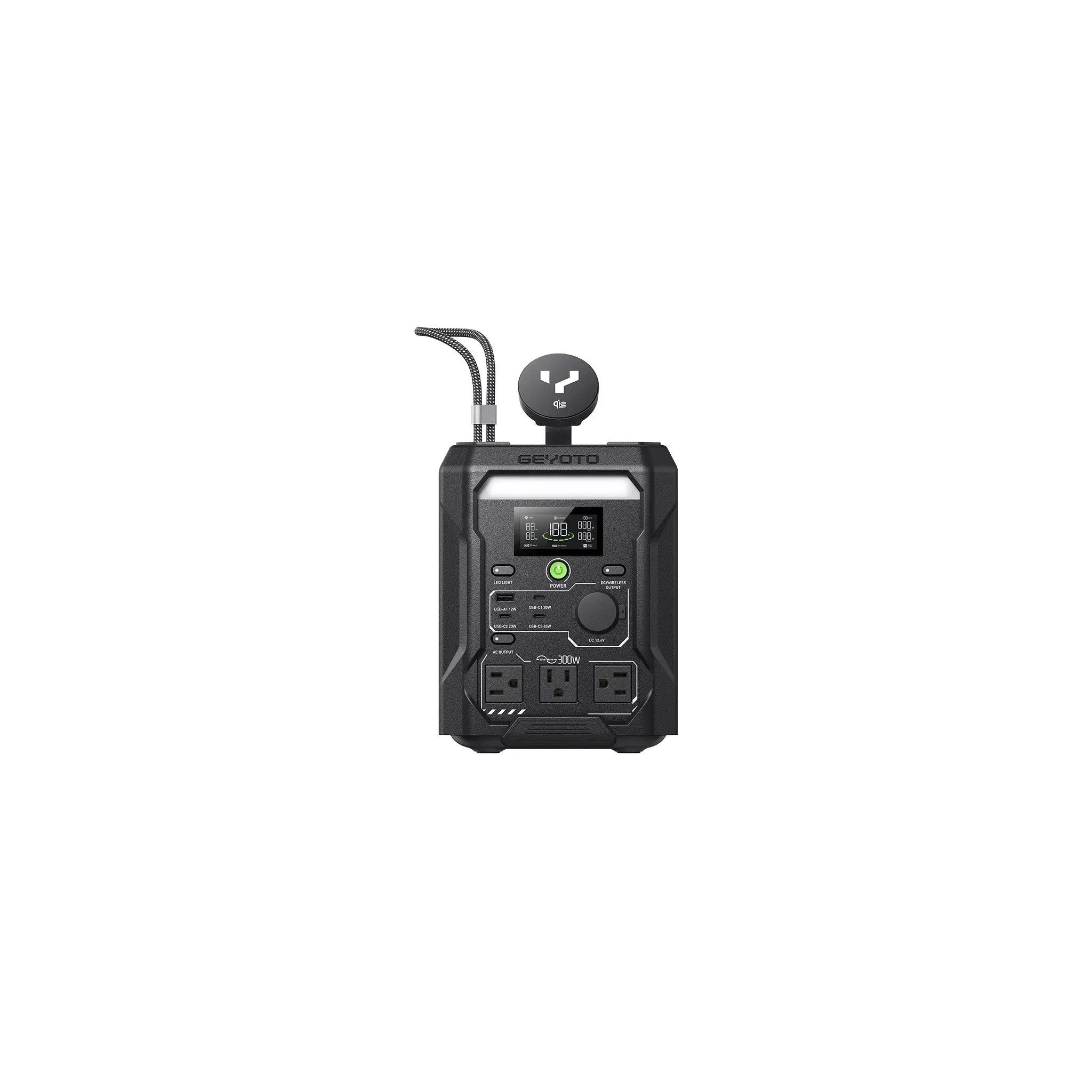
The moment a trip is short, the gear is light, and the goal is phones, a laptop, a camera, and maybe a small cooler rather than a fridge, a 256Wh unit stops being a compromise. The N300 is a compact power station for travel in the truest sense: 7.72 lb of silicone-armored body, a 300W pure sine inverter with 550W of surge, and 256Wh of UL 1973-certified LiFePO4 inside.
**As a compact power station for travel, the port spread is the quiet win.** Nine of them: three 65W USB-C PD outputs, two AC outlets, two USB-A, a 12V car socket, and a 25W Qi2.2 wireless pad, so a laptop, two phones, and a small appliance run together without an adapter pile. From the wall it recharges 0 to 100 percent in about 90 minutes at 250W, and up to 140W of solar input keeps it alive off-grid, which is where the matched S100 panel kit earns its place.
Choosing between the N300 and the N1000 is a list-checking exercise. If the list is phones, a 65W laptop, a drone, and keeping a router or CPAP alive overnight, the N300 covers it and still goes in a backpack. If the list grows to a small fridge for a full day, evening projector use, or a vehicle jump-start, the 1,024Wh N1000 is the honest call. Both sit in the GEYOTO travel line, but the smaller one wins when the bag is the limit.
For portable power for trips, the honest numbers are a phone seeing several full recharges, a 65W laptop a few hours of real work, and a 15W LED string most of a day. It will not run a full-size refrigerator or a microwave, and anyone expecting that should step up a class. The cells carry a 4,000-plus cycle rating to 80 percent, so a few years of trip-after-trip use sits well inside the design window.
Typically around $190, with the live listing on the GEYOTO store holding the current number, it is the compact power station for travel that makes sense when the whole trip fits in one bag.
The moment a trip is short, the gear is light, and the goal is phones, a laptop, a camera, and maybe a small cooler rather than a fridge, a 256Wh unit stops being a compromise. The N300 is a compact travel station in the truest sense: 7.72 pounds of silicone armored body, a 300W pure sine inverter with 550W of surge, and 256Wh of UL 1973 certified LiFePO4 inside. For portable power for trips, that is the size where the station goes in the backpack instead of staying home.
The nine port spread is the quiet win. Three 65W USB-C PD outputs, two AC outlets, two USB-A sockets, a 12V car socket, and a 25W Qi2.2 wireless pad let a laptop, two phones, and a small appliance run together without an adapter pile. The silicone armor body shrugs off the knocks of a tailgate or a trailhead, which is the practical version of durability for a station that travels.
The 90 minute full recharge is the first time saver. From the wall at 250W the battery goes from 0 to 100 percent in about an hour and a half, and up to 140W of solar input keeps it alive off grid. Between drives or between campsite nights, the refill is a lunch break rather than an overnight project.
The wireless pad and the 65W USB-C ports save time in the small device pile. A laptop charges at 65W while phones top up over USB-A and a Qi2.2 pad catches the earbuds or a phone that never remembers its cable. Fewer cables to pack means fewer cables to forget.
This is a fixed capacity 256Wh tier, so the decision is whether your trip list fits 256Wh rather than which tier to climb. Check the warranty before you buy, and consider whether a 100W solar panel kit makes sense for multi day off grid stretches. Size for phones, a 65W laptop, and a camera, and accept that a full size fridge or a microwave is a larger class than this one.
This fits camping, hiking, fishing, tailgating, day trips, and a router or CPAP alive overnight. It suits a laptop, two phones, a drone, and a small light together. It does not fit a full size refrigerator, a microwave, or a full day of fridge duty, and anyone expecting that should step up to a 1,024Wh class instead. Lightweight carry wins here, not capacity.
What does 256Wh really run on a trip. A phone sees several full recharges, a 65W laptop gets a few hours of real work, and a 15W LED string runs most of a day. Those are honest small load numbers, and they cover the device pile on a short trip. A fridge or a microwave is a different class of job.
How does the 140W solar input help off grid. A 100W folding panel can top the 256Wh battery in roughly three hours of good sun, which is enough to keep the station alive through a multi day trip. The 140W ceiling accepts a larger panel for faster refills. Solar turns a one night reserve into a whole trip supply.
Will it keep a router or a CPAP alive overnight. Yes, a router or a low draw CPAP sits comfortably inside a 300W inverter for the length of a night. That is the small home backup job this class does well, keeping the essentials rather than the whole house. A fridge is a larger class, and a microwave is out of reach.
Against the N1000 the N300 trades capacity for backpack weight. The N1000 runs a small fridge all day and jump starts a vehicle, but it weighs three times as much and costs far more. The N300 wins when the bag is the limit and the device list is phones, a laptop, and a camera. Choose the N1000 when the fridge joins the list, and choose this one when the trip fits in one bag.
Against a generic power bank the N300 trades a larger body for AC outlets and certification. A cheap bank is lighter per dollar but offers no 120V outlets and rarely carries UL 1973 certified cells. For a reader who wants a small appliance or a router alive, those two AC outlets are the whole argument.
A common mistake is expecting a microwave or a full size fridge from a 300W inverter. The 550W surge covers brief motor starts rather than sustained kitchen loads, and a microwave will trip it. Keep the load list to phones, a laptop, a light, and a router, and the station will serve faithfully for years.
A second mistake is packing the station without testing the solar input at home. The 140W ceiling accepts a folding panel, but the cable and the angle decide the real harvest. Lay the panel out in the yard once, confirm the connection, and the off grid days become execution rather than learning.
Get the most from this setup by pairing it with a 100W folding panel for multi day trips. Solar input can keep the 256Wh battery near full through a bright day and turn a one night reserve into a whole excursion. Test the pairing at home so the campsite day is about the trip rather than the cable.
A second habit is keeping the wireless pad in play for the devices that never remember a cable. Earbuds, a phone, an action camera all land on the pad without a search. A travel station that keeps the small devices alive is worth more than the wattage on paper suggests.
Store the battery at a mid range charge, top it up every few months, and keep the silicone armor vents clear of dust. The 4,000 plus cycle design rewards a temperate home and a regular top up, and a pattern of trip after trip sits well inside the design window if the storage habits match.
Links open the official listing. Price, terms, and availability can change, so the live page is the source of truth.
Same situation, different option. Worth comparing before you decide.
Budget home backup with 1,024Wh, 1,800W output, 50 minute charging, and a path to 3,072Wh. It covers a fridge, router, and lights through a typical outage, then grows later.
Full review →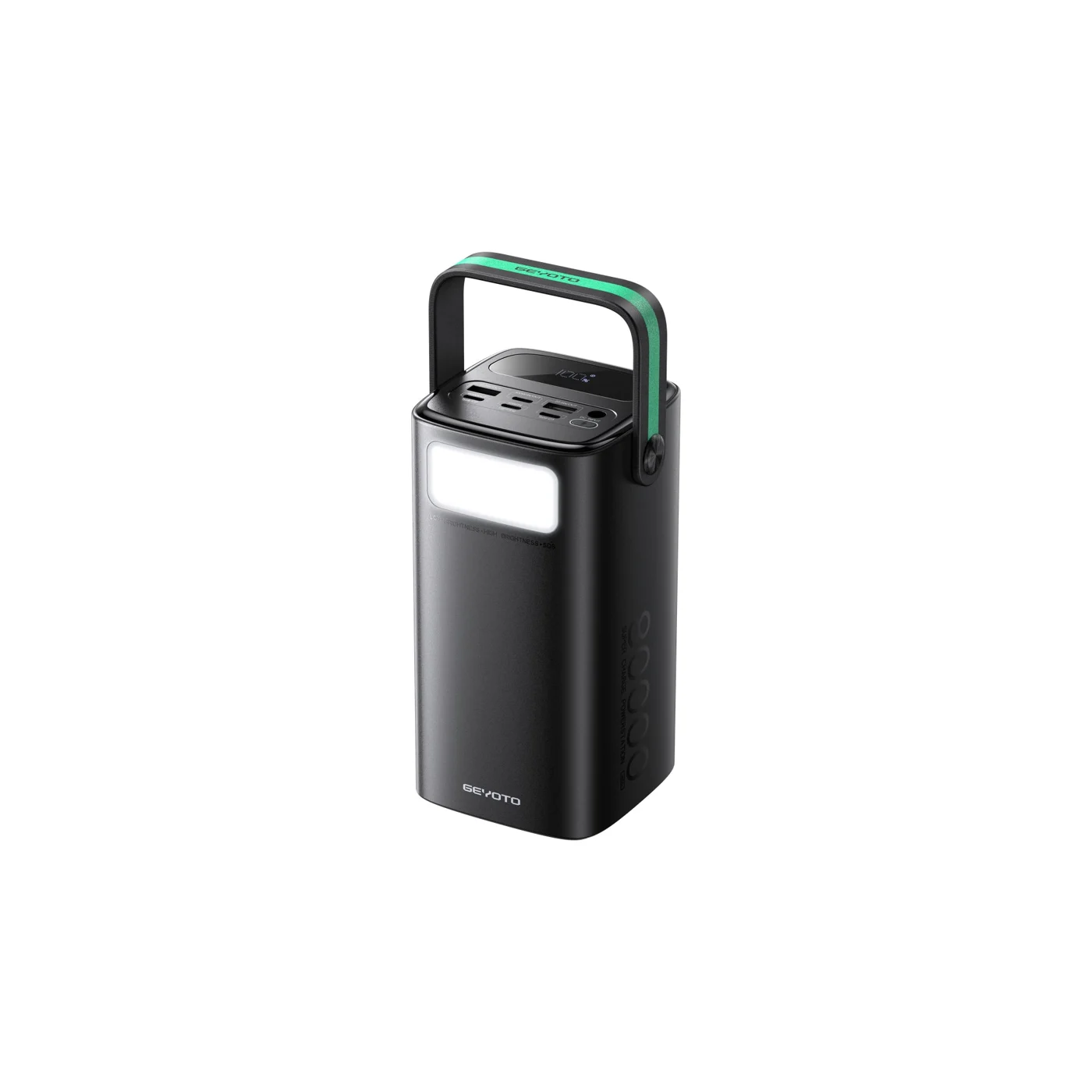
256Wh of DC power in 3.64 pounds, with a 100W USB-C port that fills a laptop or recharges the unit itself. No AC outlets, no inverter overhead, just pocket sized USB power.
Full review →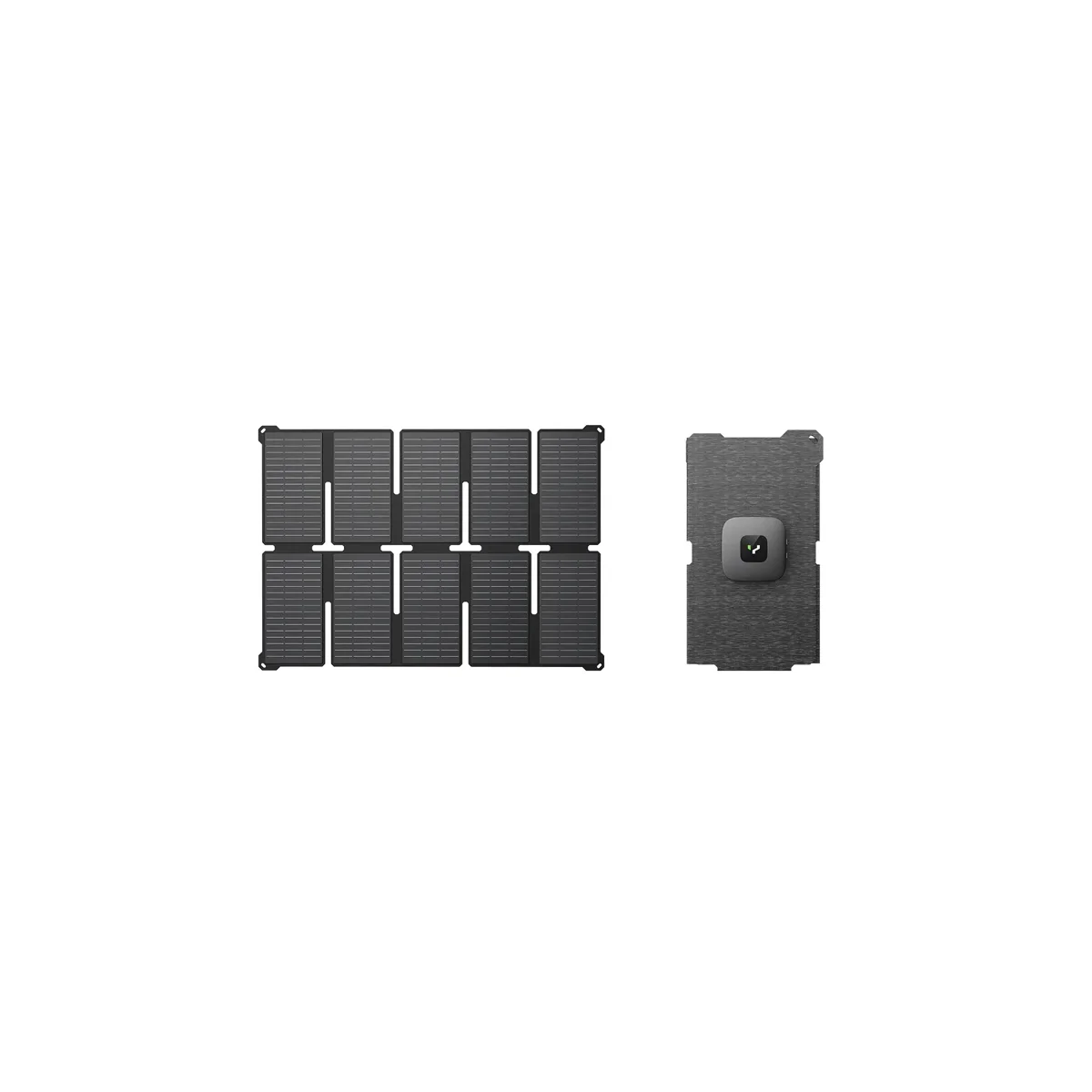
35W of direct solar charging in 1.54 pounds, folding small enough for a jacket pocket. It keeps a phone, earbuds, and a camera alive on the trail with no station in the loop.
Full review →