ecoflow
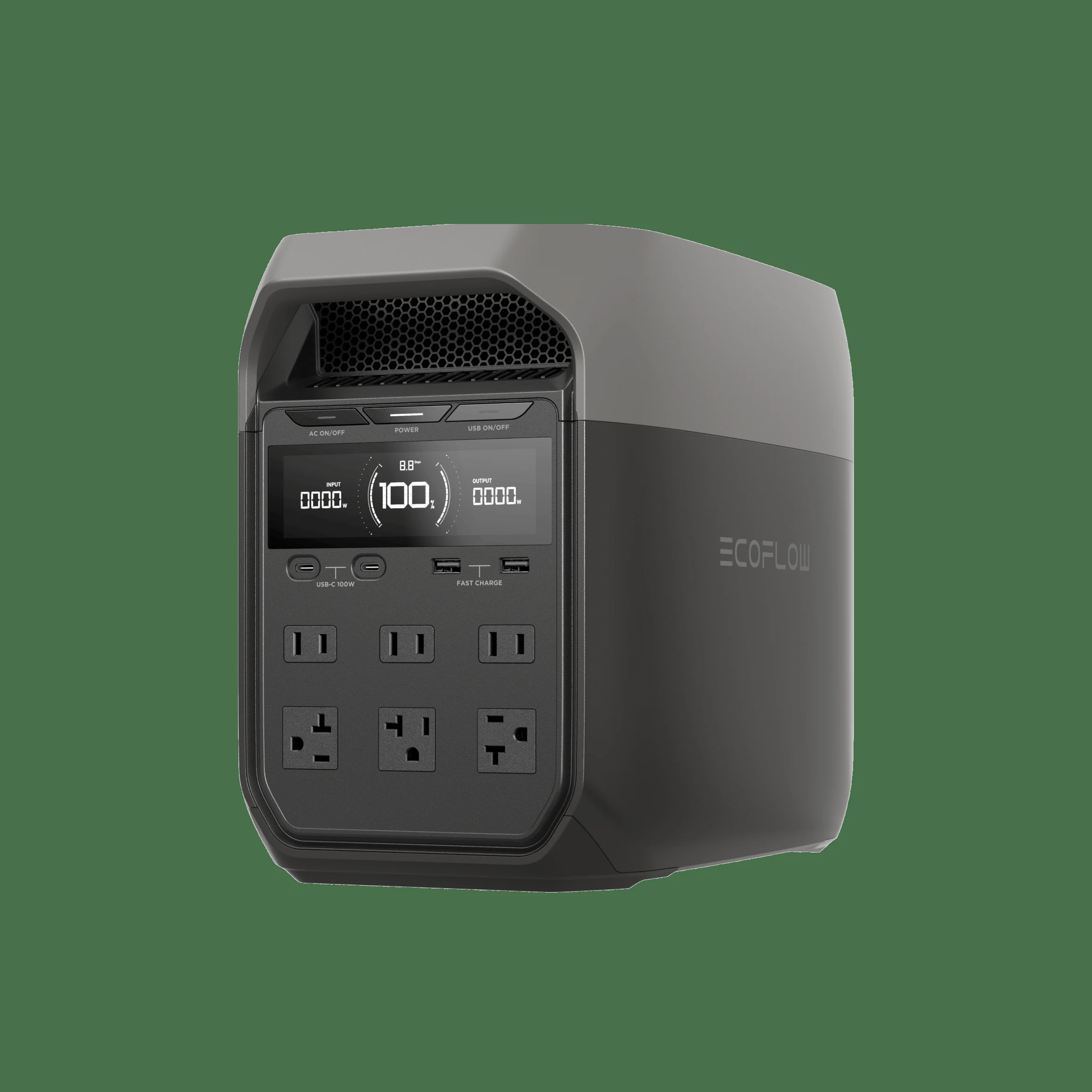
EF ECOFLOW DELTA 2
Budget home backup with 1,024Wh, 1,800W output, 50 minute charging, and a path to 3,072Wh. It covers a fridge, router, and lights through a typical outage, then grows later.
Full review →
Categories
CampingQuiet electricity for the campsite: lights, phones, a fan, and the coffee maker, without a generator's noiseHome backupWhen the grid drops, essentials stay on: fridge, router, lights in one room, phones charged, medical devicesEvents & on-siteRunning shows, shoots, food stalls, and vendor booths off the grid, with clean power and no fumesEmergency prepThe battery you want charged before the storm: communications, lighting, refrigeration, and medical devicesRV / off-gridHouse power that moves with you: 12-volt ecosystems, solar pairing, and batteries that charge from the12V & jump startThe 12-volt rescue: keeping vehicle accessories, lights, and small 12-volt systems alive when you are the onlyProducts
All power stationsCompare specsAferiyAllpowersAnker SOLIXBLUETTIEcoFlowGeyotoGoal ZeroGrowattJackeryRenogyYEAGULCHArticles
Residential vs Business Portable Power: How to Tell What You Actually NeedPortable Power for a Landscaping Company: Ditching the 200-Foot Extension CordPortable Power for a Food Truck That Wants to Plug In AnywhereRunning Job Site Power Without a GeneratorWhole Home Backup vs Appliance Backup: Pick the Right SizeHow Long Will a Power Station Run: A Practical Planning GuidePairing a Solar Panel for a Power Station: What to MatchPortable Power for Outdoor Events: Weddings and ReceptionsGuides
Portable Power for Camping: The Complete Guide to On-Site ElectricityPortable Power for Home Power Outages: A Real Backup Plan for the GridPortable Power for Events & On-Site Work: Running Shows, Shoots, and Stands Off the GridPortable Power for Emergencies: The Battery You Want Charged Before the StormPortable Power for Jump-Starting a Car & Vehicle PowerPortable Power for RV, Van Life & Off-Grid Living Compare AboutTrust
Affiliate Disclosure Privacy Policy Terms of UseGoal Zero built its name on solar charging kits and rugged field gear, and the Yeti 1500X carries that history into a station that can live in a truck bed. It stores 1,516Wh of lithium iron phosphate energy in an anodized aluminum enclosure and drives a 2,000W pure sine inverter with 3,500W of surge from a 46 pound body built to survive drops and a year in a garage. The surge rating matters most for buyers, because it lets a full size fridge compressor start cleanly during a multi day outage while a router, lights, and a small heater on low share the load. The cells are rated past 4,000 cycles to 80 percent, a ten year component in practice and a clear advantage over cheaper nickel chemistries that fade sooner. A wall charge reaches 80 percent in about an hour, and solar input up to 600W through the Goal Zero controller lets a single Nomad or Boulder panel keep the station topped through a day of use. A Yeti Link expansion battery can lift total capacity toward 3,020Wh for buyers who need more headroom after the first season. The outlet set includes four AC sockets, a 100W USB-C port, two USB-A ports, a 12V vehicle outlet, and a DC barrel jack. At 19 by 14 by 14 inches this is a two person move and a fixed install in a vehicle or a cabin, not a backpack item. It suits overlanders, cabin owners, and home backup buyers who value brand durability and proven field build over the lowest price. A window air conditioner, a full kitchen, or a large heater on high asks for a larger system, and phone only use belongs with a much smaller station. Read the full review below, then check the current offer.
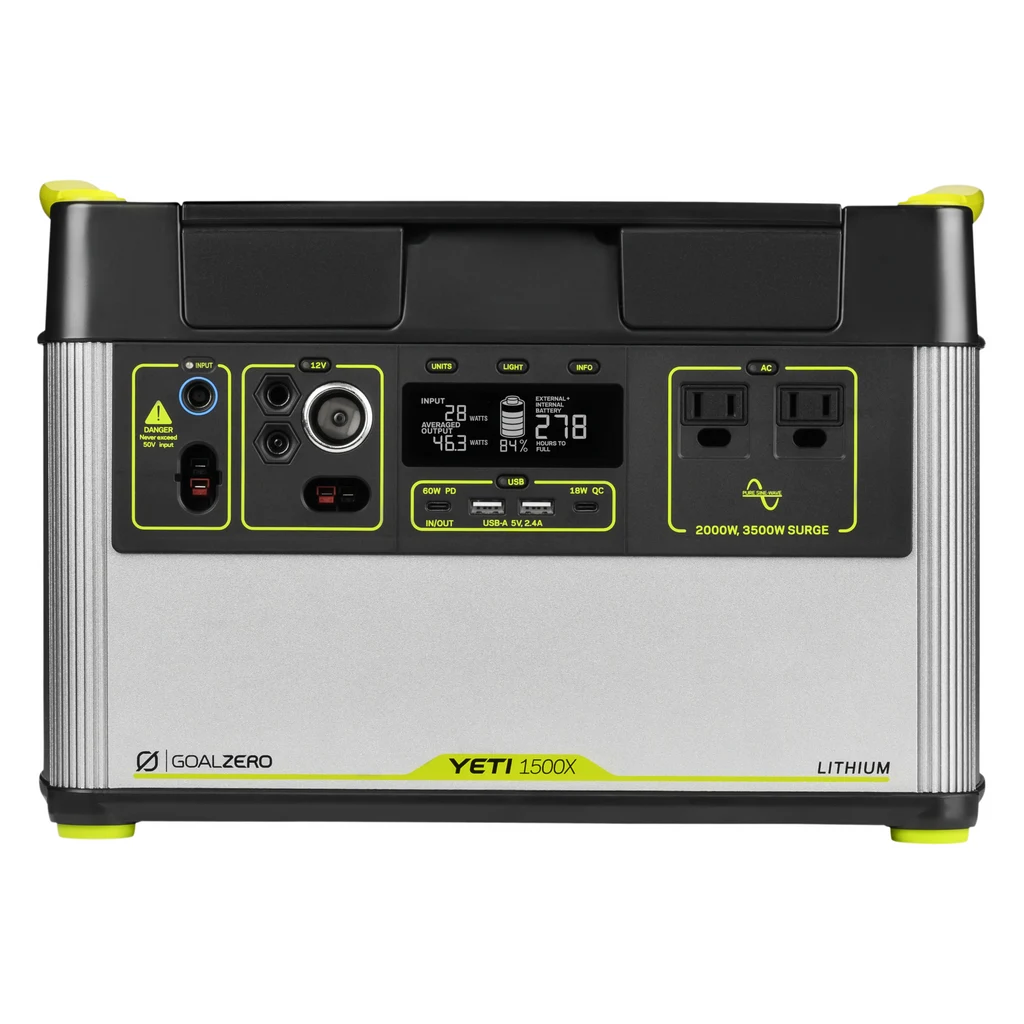
Goal Zero built its name on a decade of solar charging kits and rugged field gear, and the Yeti 1500X is where that pedigree lands in a portable station. It holds 1,516Wh of LiFePO4 in an anodized aluminum enclosure and pushes a 2,000W pure-sine inverter with 3,500W of surge, all in a 46 lb body built to survive a truck bed, a drop, and a year in a garage. For a premium home backup power station, that build is the whole point.
**As a premium home backup power station, the Yeti 1500X runs a full-size refrigerator through a multi-day outage, keeps a router and lights on, and lets a small space heater on low warm a room for a stretch.** The 3,500W surge is what lets a fridge compressor start without tripping the inverter, and that is the spec most buyers should read first. Goal Zero rates the LiFePO4 cells past 4,000 cycles to 80 percent, a ten-year component in practice and a genuine advantage over the NMC chemistry in cheaper stations.
Charging is fast for the class: 0 to 80 percent in about an hour from the wall, and up to 600W of solar input through Goal Zero's MPPT controller, so a single Nomad or Boulder panel keeps the unit topped through a day of use. The Yeti Link expansion battery takes capacity to roughly 3,020Wh for buyers who need more headroom.
Who is this for, and who is it not for? It is for the overlander who hauls it in a truck bed, the off-grid cabin owner who wants an expedition power station that outlives the season, and the home-backup buyer who values brand durability and field-proven build over the lowest price. It is not for the backpacker, the carry-on traveler, or the reader whose use case is phones and a laptop. And it cannot run a window air-conditioner, a full kitchen, or a large heater on high, so anyone planning that load should look at a whole-home or 3kWh-plus system.
At 46 lb and a 19-inch footprint, it is a deliberate carry rather than a backpack item. Priced at the premium end of the market, the Yeti 1500X is the premium home backup power station for a reader who wants a rugged, field-proven backup that lasts a decade, and the Amazon listing is where current price and stock live.
Goal Zero built its name on a decade of solar charging kits and rugged field gear, and the Yeti 1500X is where that pedigree lands in a portable station. It holds 1,516Wh of LiFePO4 in an anodized aluminum enclosure and pushes a 2,000W pure sine inverter with 3,500W of surge, all in a 46 pound body built to survive a truck bed, a drop, and a year in a garage. For a premium home backup power station, that build is the whole point, because field proven durability is what the premium buys.
The battery rating is the quiet second reason. Goal Zero rates the LiFePO4 cells past 4,000 cycles to 80 percent, a ten year component in practice and a genuine advantage over the NMC chemistry in cheaper stations. A station that mostly sits waiting for a bad day still holds most of its capacity after years of occasional use, which is the honest way to judge a backup.
The one hour wall charge saves the layover time between outages. Zero to 80 percent in about an hour means the station is back to useful capacity before the evening news rather than the next morning. During a rolling outage that speed keeps the reserve working on the second and third failures instead of the first only.
The MPPT solar controller saves the afternoon hunt for sun. Up to 600W of solar input through the controller lets a single Nomad or Boulder panel keep the unit topped through a day of use, and the controller extracts more from the same panel than a basic input. Solar plus fast wall charging means two refill paths rather than one.
Think in tiers: the base station covers essentials through a multi day outage, and a Yeti Link expansion battery takes capacity to about 3,020Wh for a longer season. Confirm the warranty before you buy, and check whether a Nomad panel is bundled or priced separately. Size for the fridge, router, lights, and a small space heater on low, and accept that a window air conditioner means a larger whole home system.
This fits an overlander who hauls the unit in a truck bed, an off grid cabin owner who wants an expedition power station, and a home backup buyer who values brand durability. It suits a fridge, router, lights, and a small heater on low through a multi day outage. It does not fit a backpacker, a carry on traveler, or a reader whose use case is phones and a laptop, and it cannot run a window air conditioner or a full kitchen.
Will the 3,500W surge start a fridge reliably. Yes, because the surge is what lets a fridge compressor start without tripping the inverter, and 3,500W is the spec most buyers should read first. A router and lights alongside the fridge sit comfortably inside the running limit. The surge decides whether motor loads work, and this ceiling covers the household list.
What does the MPPT controller buy you over a basic input. It extracts more power from the same panel by tracking the optimal voltage, which matters on cloudy days and with mixed panel sizes. A Nomad or Boulder panel through the controller keeps the unit topped through a day of use where a basic input would lag. The controller is part of why the solar path works in the field.
Does the Yeti Link expansion really double the reserve. It takes capacity to roughly 3,020Wh, which does not double the base but comes close enough to change the season plan. A buyer who needs more headroom for a cabin or an overlanding trip can grow the system instead of replacing it. Confirm the exact battery model before ordering so the expansion matches the line.
Against cheaper 1.5kWh stations the Yeti 1500X trades price for an aluminum shell and field history. Budget rivals undercut it on the shelf, but they rarely match the 4,000 plus cycle rating, the MPPT controller, or the documented truck bed durability. A buyer who hauls the unit and drops the unit is buying the shell along with the watts.
Against 2kWh flagships the Yeti 1500X trades capacity for a lighter field carry. A 2,048Wh station doubles the reserve but weighs more and costs far more, while this unit at 46 pounds and a 19 inch footprint is a deliberate carry that still fits a truck bed. Choose the larger class for multi day whole home duty and this one for a rugged field station that serves home and trail.
A common mistake is shopping for this station as a backpack item. At 46 pounds with a 19 inch footprint it is a deliberate carry, not a backpack load, and it should be given a truck bed or a garage spot. Plan the install and the strap downs before it arrives rather than discovering the weight on a trail.
A second mistake is running a window air conditioner or a full kitchen on the 2,000W inverter. The surge covers motor starts, but sustained cooling and cooking loads exceed the running limit and will trip the unit. Keep the list to fridge, router, lights, and a small heater on low, and the station will serve for a decade.
Get the most from this setup by pairing the MPPT solar input with a Nomad or Boulder panel sized to the 600W ceiling. A panel that holds the battery near full through a bright day turns a multi day reserve into a whole season supply. Test the layout at a home site before the overlanding trip so the field day is execution.
A second habit is keeping the station at a mid range charge in storage and testing the load list each season. A written outage list with fridge, router, and lights in order costs nothing and prevents a scramble during the storm. Field proven durability still rewards a household that checks the battery twice a year.
Store the battery at a mid range charge, cycle it fully a couple of times a year, and keep the aluminum vents clear of dust so the cooling system holds up under sustained load. The 4,000 plus cycle design rewards a dry, temperate spot and a regular top up, and an anodized shell forgives truck bed knocks that would end a plastic station.
Links open the official listing. Price, terms, and availability can change, so the live page is the source of truth.
Same situation, different option. Worth comparing before you decide.
Budget home backup with 1,024Wh, 1,800W output, 50 minute charging, and a path to 3,072Wh. It covers a fridge, router, and lights through a typical outage, then grows later.
Full review →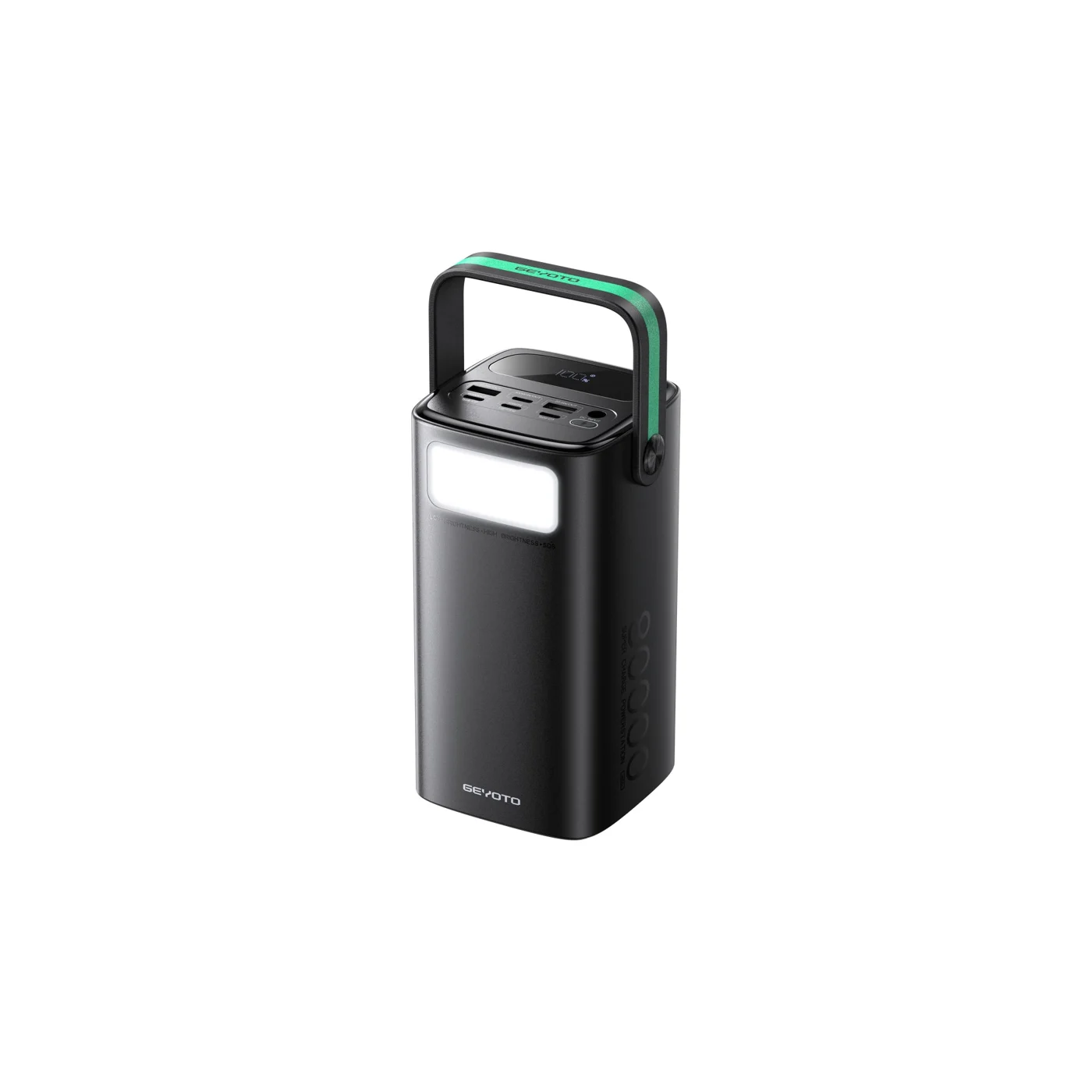
256Wh of DC power in 3.64 pounds, with a 100W USB-C port that fills a laptop or recharges the unit itself. No AC outlets, no inverter overhead, just pocket sized USB power.
Full review →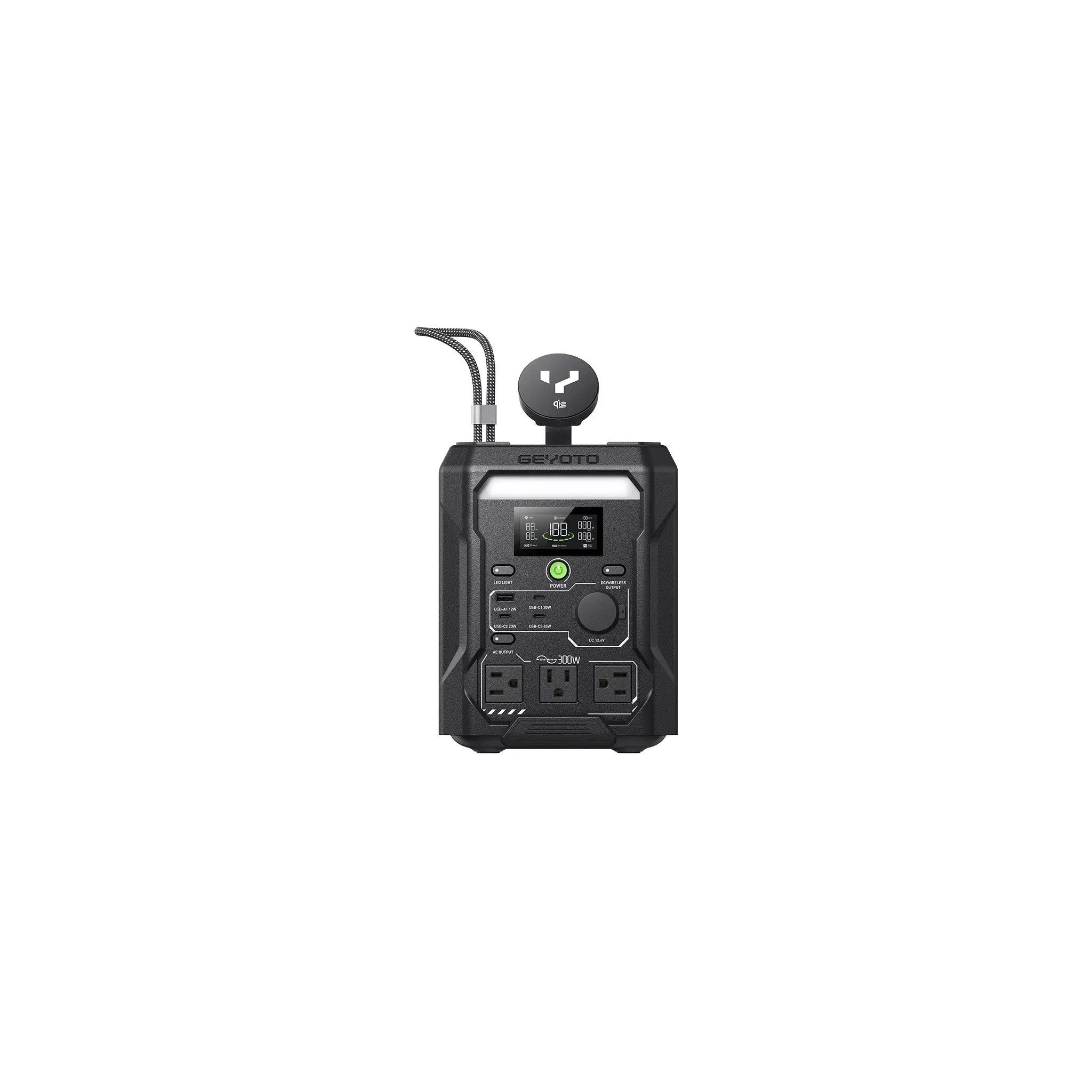
256Wh in 7.72 pounds with nine ports, a 300W inverter, and a wireless charging pad. A one bag travel station for laptops, phones, cameras, and a router through the night.
Full review →