ecoflow
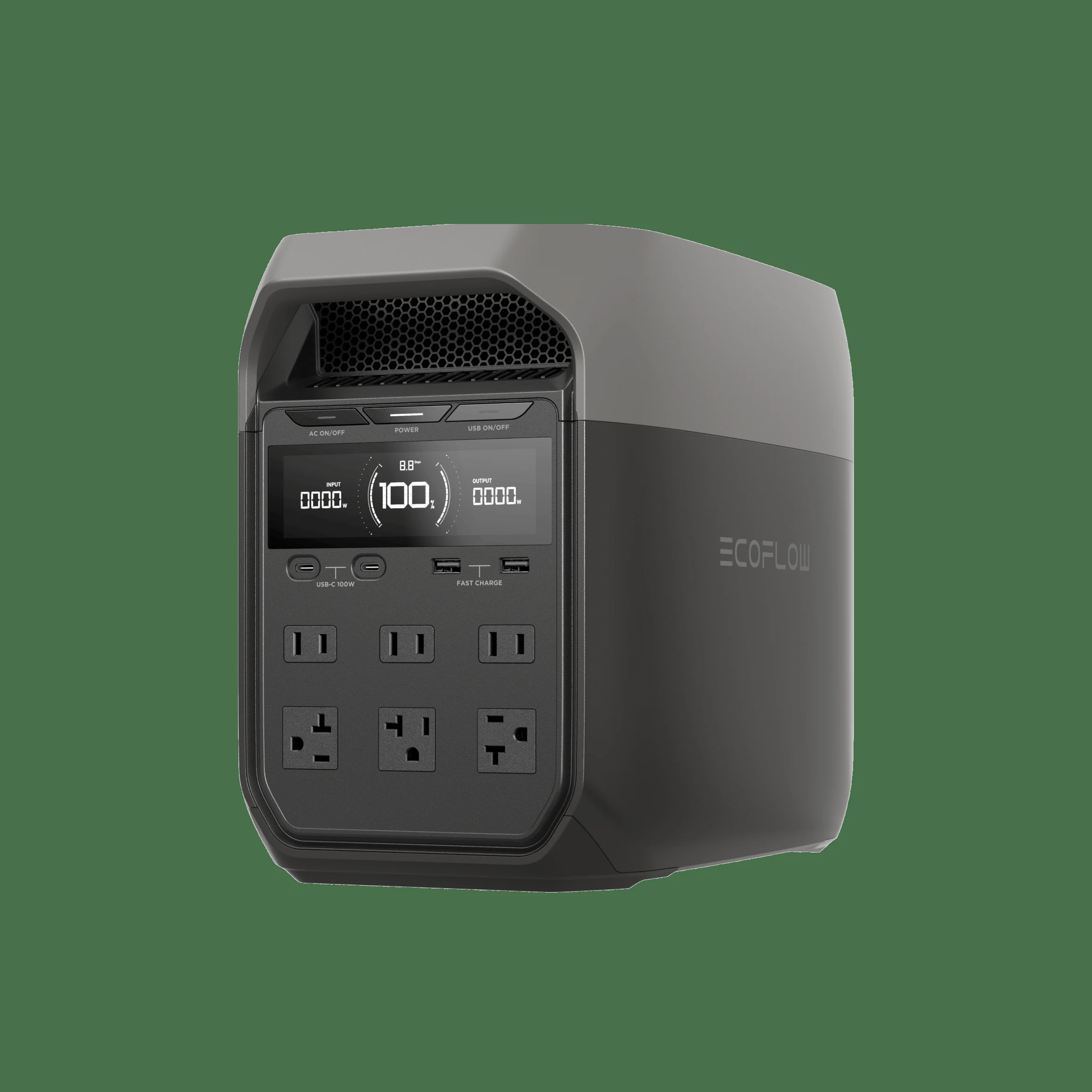
EF ECOFLOW DELTA 2
Budget home backup with 1,024Wh, 1,800W output, 50 minute charging, and a path to 3,072Wh. It covers a fridge, router, and lights through a typical outage, then grows later.
Full review →
Categories
CampingQuiet electricity for the campsite: lights, phones, a fan, and the coffee maker, without a generator's noiseHome backupWhen the grid drops, essentials stay on: fridge, router, lights in one room, phones charged, medical devicesEvents & on-siteRunning shows, shoots, food stalls, and vendor booths off the grid, with clean power and no fumesEmergency prepThe battery you want charged before the storm: communications, lighting, refrigeration, and medical devicesRV / off-gridHouse power that moves with you: 12-volt ecosystems, solar pairing, and batteries that charge from the12V & jump startThe 12-volt rescue: keeping vehicle accessories, lights, and small 12-volt systems alive when you are the onlyProducts
All power stationsCompare specsAferiyAllpowersAnker SOLIXBLUETTIEcoFlowGeyotoGoal ZeroGrowattJackeryRenogyYEAGULCHArticles
Residential vs Business Portable Power: How to Tell What You Actually NeedPortable Power for a Landscaping Company: Ditching the 200-Foot Extension CordPortable Power for a Food Truck That Wants to Plug In AnywhereRunning Job Site Power Without a GeneratorWhole Home Backup vs Appliance Backup: Pick the Right SizeHow Long Will a Power Station Run: A Practical Planning GuidePairing a Solar Panel for a Power Station: What to MatchPortable Power for Outdoor Events: Weddings and ReceptionsGuides
Portable Power for Camping: The Complete Guide to On-Site ElectricityPortable Power for Home Power Outages: A Real Backup Plan for the GridPortable Power for Events & On-Site Work: Running Shows, Shoots, and Stands Off the GridPortable Power for Emergencies: The Battery You Want Charged Before the StormPortable Power for Jump-Starting a Car & Vehicle PowerPortable Power for RV, Van Life & Off-Grid Living Compare AboutTrust
Affiliate Disclosure Privacy Policy Terms of UseFor a daypack that holds only a phone, earbuds, and a small camera, the GEYOTO S35 is the small solar panel made for that limited load. It weighs 1.54 pounds, folds to about 4.8 by 8.3 by 1.6 inches so it can sit inside a jacket pocket, and outputs up to 35W over USB-A and USB-C for direct device charging. There is no station connector on this panel, which keeps the design simple and light, and it means the S35 cannot top up a power station from the sun. The S35 feeds small devices straight through its USB ports at 12V and 1.5A maximum. A phone, a pair of earbuds, a compact action camera, or a lightweight fan can charge on the move without any battery station in the loop. A reader who wants to recharge an N1000, an N300, or a C260 from the sun should buy the S100 or the S200 instead, because this panel is aimed at devices rather than stations. The build matches the rest of the GEYOTO line. Monocrystalline silicon runs at 25.4 percent efficiency, the panel face carries an IP68 rating for rain and dust with the cables and junction box kept dry, and GEYOTO adds a three year member warranty. The panel unfolds to about 23.4 by 16.6 inches, and the 35W headline is a best case laboratory figure, so expect less under a low sun or in shade. It ships with a US cable and a pouch. Between the S35 and the S45, the smaller panel wins when a phone is the only load and the bag is already full. It also suits a cyclist on a long weekend, a parent packing light for a festival, and a backup drawer at home where direct solar beats hunting for a wall socket. Position choice matters more than anything, so face the panel toward the sun, keep the surface clear of dust, and accept that a shaded pitch will harvest far less than the headline rating. Read the full review below, then check the current offer.
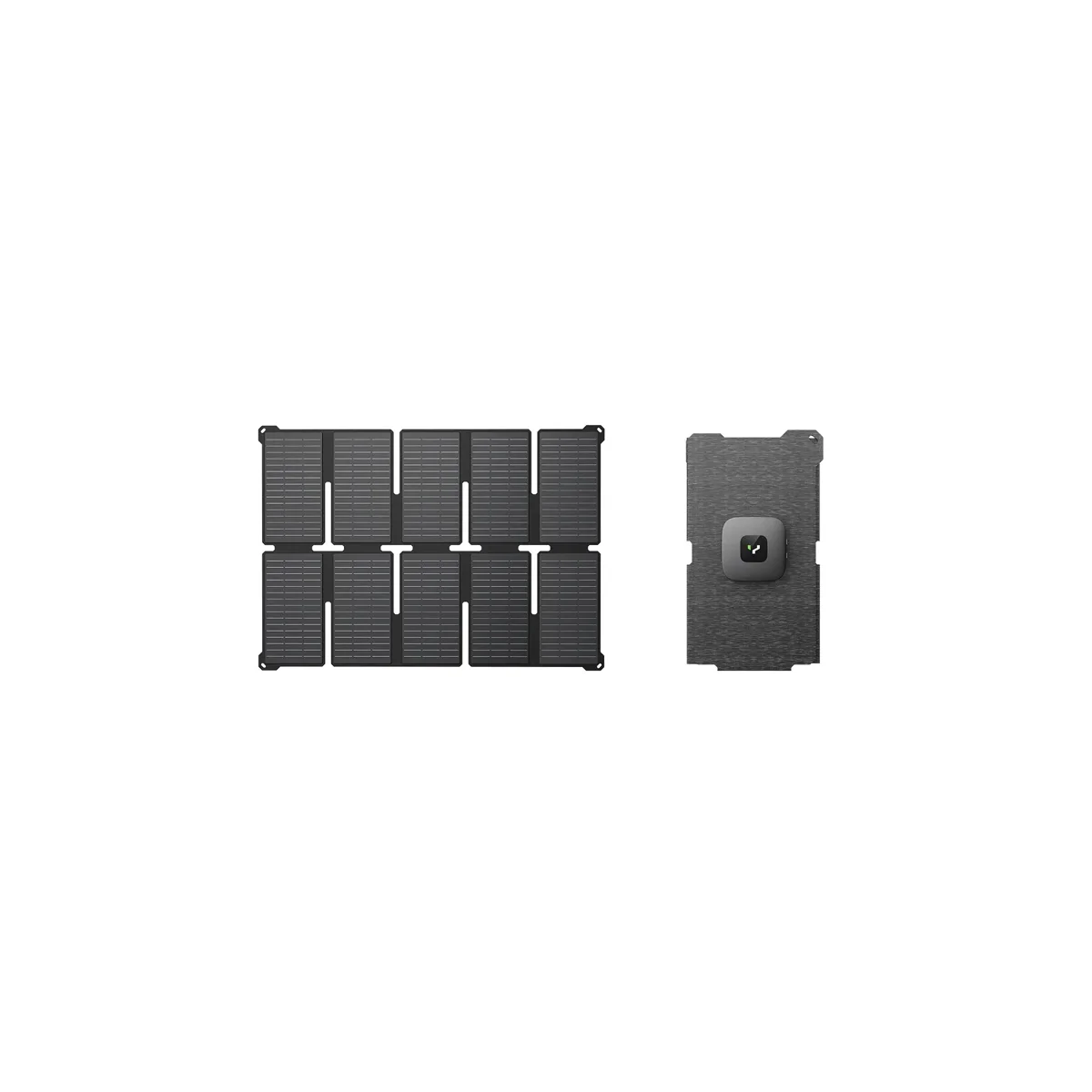
A rooftop-vent top-up, a single daypack carrying nothing but a phone, earbuds, and a small camera, a weekend where the only electronics in the bag are the ones that die by mid-afternoon. That is the circumstance the S35 was made for, and it is the small solar panel for travel that keeps the whole thing honest. At 1.54 lb it is the lightest panel in the GEYOTO line, and it folds to 4.8x8.3x1.6 in, small enough to sit inside a jacket pocket.
**The S35 is a direct-charging panel, so it pairs with the device, not the station.** It feeds a phone, a pair of earbuds, a small action camera, or a lightweight fan straight through USB-A and USB-C at 12V and 1.5A max. There is no MC4 or XT60 port on the S35, so it cannot top up a power station from the sun. A reader planning to recharge an N1000, N300, or C260 off-grid should buy the S100 or S200 instead. For a phone plus maybe one other small device, this small solar panel for travel is exactly the right size.
On paper the build matches the rest of the line. The monocrystalline silicon cells run at 25.4 percent efficiency, an IP68 panel face keeps it working in rain or dust (the cables and junction box stay dry, the usual rule), and GEYOTO adds a 3-year member warranty. The panel unfolds to 23.4x16.6x0.6 in, and the 35W headline is a best-case lab number, so under a low sun or a shaded site expect less. Treat the output as a ceiling, not a promise.
Choosing between the S35 and the S45 is the smallest decision in the line. The S45 adds ten watts and about an ounce of weight for a wider unfolded panel. If the bag is already heavy or the only load is a phone, the S35 is the pick, and if the list grows to a tablet, a headlamp, or a second phone, the S45 gives the margin without much penalty.
For travel solar charging on the smallest budget, the S35 is the small solar panel for travel that works, and it sells through the GEYOTO store, which Amazon does not carry this model on.
A rooftop vent top up, a single daypack carrying nothing but a phone, earbuds, and a small camera, a weekend where the only electronics in the bag are the ones that die by mid afternoon. That is the circumstance the S35 was made for, and it is the small solar panel for travel that keeps the whole thing honest. At 1.54 pounds it is the lightest panel in the line, and it folds to 4.8 by 8.3 inches, small enough to sit inside a jacket pocket.
The direct charging design is what makes the weight work. It feeds a phone, earbuds, a small camera, or a lightweight fan straight over USB-A and USB-C at 12V and 1.5A max, with no station, no inverter, and no controller in the loop. For travel solar charging on the smallest budget, that simplicity is the feature, because every extra box in the chain costs weight the daypack does not have.
The pocket size is the first time saver. A panel that folds into a jacket pocket gets carried on every hike instead of living in the car for the big trip. Solar that travels every day charges more devices than a larger panel that waits for the annual excursion.
The direct USB outputs remove the connection dance. Plug the device into the panel, unfold the cells toward the sun, and the charge starts without a station input to match or a cable to hunt for. That immediacy is what turns a sunny lunch break into a real top up rather than a plan for later.
Think in tiers: the S35 and S45 feed devices directly, while the S100 and S200 feed a power station. Confirm the warranty before you buy, and check whether the pouch and cable are included in the box. Size the wattage to the device list, since a phone alone fits the S35 and a tablet or a headlamp pushes toward the S45.
This fits a daypack, a phone, earbuds, a small action camera, and a lightweight fan. It suits a hiker, a festival goer, and a traveler who wants solar without a station. It does not fit anyone who wants to recharge a power station from the sun, because there is no MC4 or XT60 port, and it will not help a laptop that needs more watts than 35 can give.
What does 35W really charge on a trail. It charges a phone steadily in good sun, keeps earbuds topped, and tops a small action camera over a lunch break. A tablet or a laptop needs more watts than this panel can give. The output is a phone class tool rather than a laptop class one.
Why is there no station connector. Because the panel was designed for direct device charging, with USB-A and USB-C outputs and no MC4 or XT60 port to feed a power station. A reader planning to recharge a station off grid should buy the S100 or S200 instead. The missing connector is the honest boundary of this tier.
How much power should you really expect. The 35W headline is a best case lab number, so under a low sun or a shaded site expect less. Treat the output as a ceiling rather than a promise, and plan the top up around midday sun. The panel still earns its place at lower output because the load is a phone rather than a battery.
Against the S45 the S35 trades ten watts for the lightest carry. The S45 adds ten watts and about an ounce for a wider unfolded panel, which suits a phone plus a tablet or a headlamp. The S35 wins when the bag is already heavy or the only load is a phone. Both are direct charging panels, and the decision is the load list rather than the brand.
Against a larger station panel the S35 trades watts for pocket size. A 100W panel is far stronger and heavier, and it feeds a station rather than a phone. The S35 wins when the trip fits in a daypack and the device list is a phone and earbuds. Choose the larger panel when the station is the load and this one when the pocket is the limit.
A common mistake is buying this panel to top up a power station. There is no MC4 or XT60 port on the S35, so it cannot recharge an N1000, N300, or C260 from the sun. The panel feeds devices directly, and a station level refill needs the S100 or S200 instead.
A second mistake is planning a laptop charge around 35W. A laptop class load needs more watts than this panel can give, and the charge will crawl or stall. Keep the list to a phone, earbuds, and a small camera, and the panel will serve faithfully for years of trail time.
Get the most from this setup by using the midday lunch break as the charging window. Unfold the panel, aim it at the sun, and let the phone top up while you rest. A routine that happens every hike charges more than a grand plan that happens once.
A second habit is keeping the pouch and cable with the daypack rather than in a drawer. A panel that lives in the bag earns its 1.54 pounds every week, while one in a drawer is just a spec sheet. The pouch is sized for exactly that ride, so use it.
Keep the panel face clean with a damp cloth, fold it into its pouch after each outing, and keep the cables dry. The IP68 face forgives rain and dust, but a cable left in a wet pack or a fold left in a hot car shortens the honest life of any pocket panel.
Links open the official listing. Price, terms, and availability can change, so the live page is the source of truth.
Same situation, different option. Worth comparing before you decide.
Budget home backup with 1,024Wh, 1,800W output, 50 minute charging, and a path to 3,072Wh. It covers a fridge, router, and lights through a typical outage, then grows later.
Full review →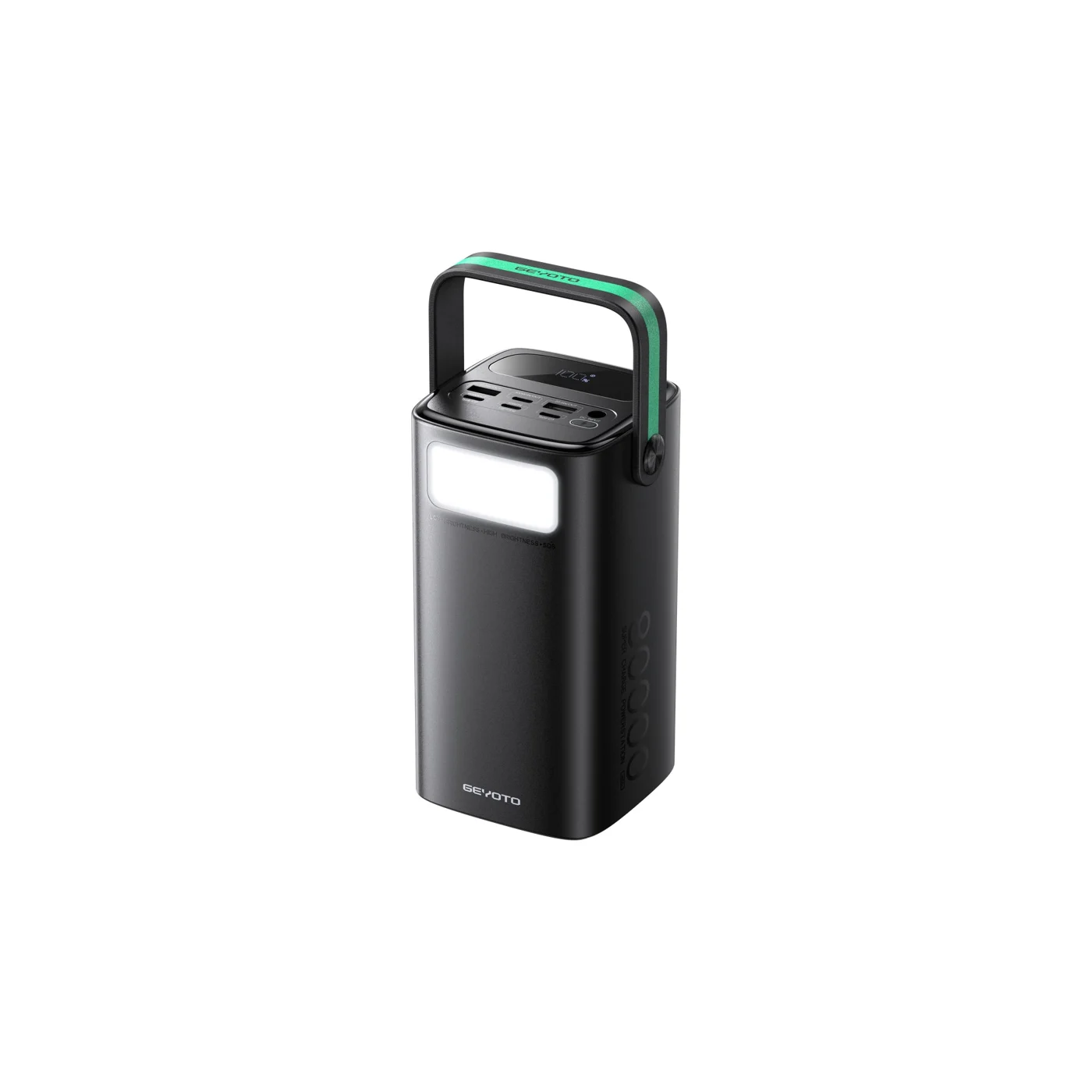
256Wh of DC power in 3.64 pounds, with a 100W USB-C port that fills a laptop or recharges the unit itself. No AC outlets, no inverter overhead, just pocket sized USB power.
Full review →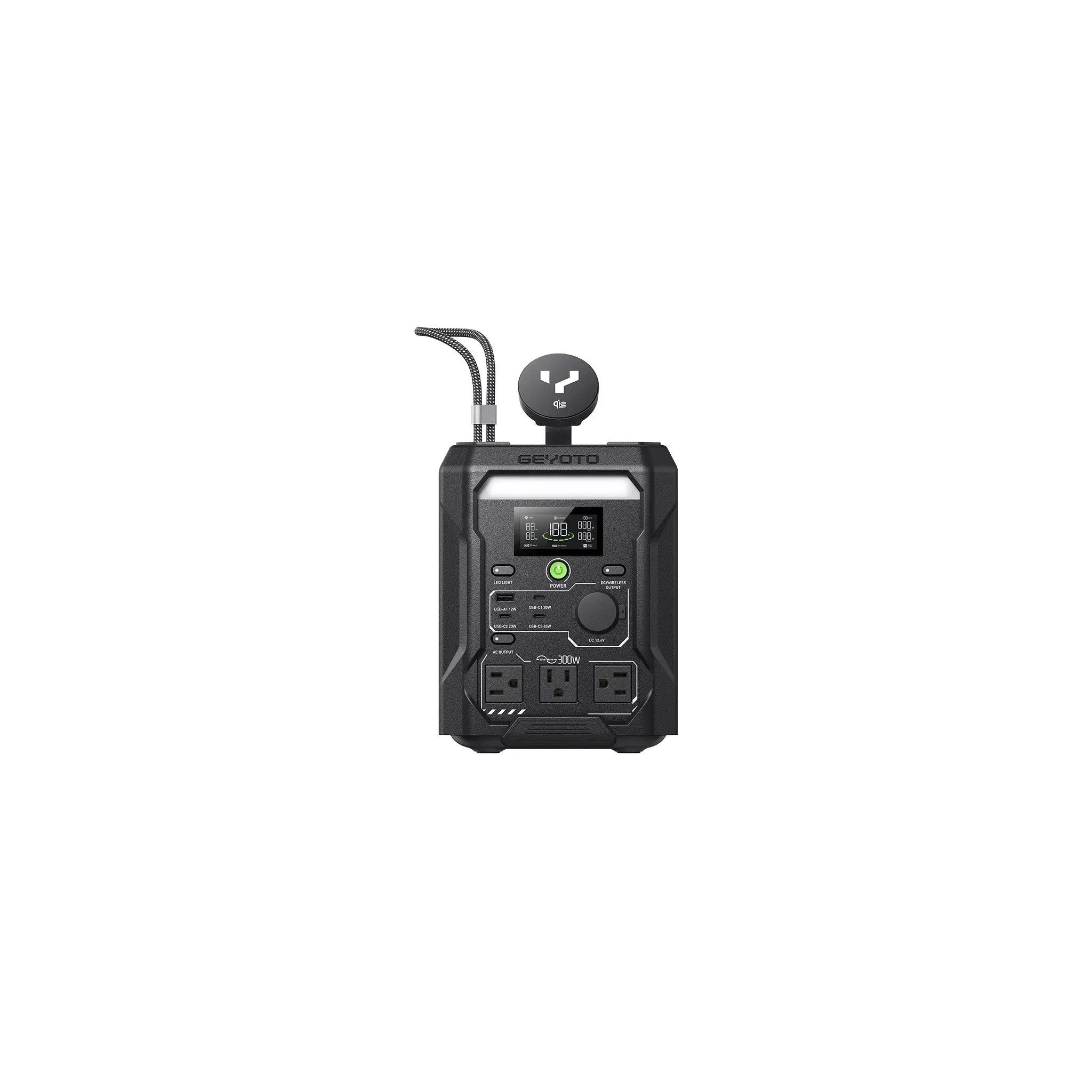
256Wh in 7.72 pounds with nine ports, a 300W inverter, and a wireless charging pad. A one bag travel station for laptops, phones, cameras, and a router through the night.
Full review →