ecoflow
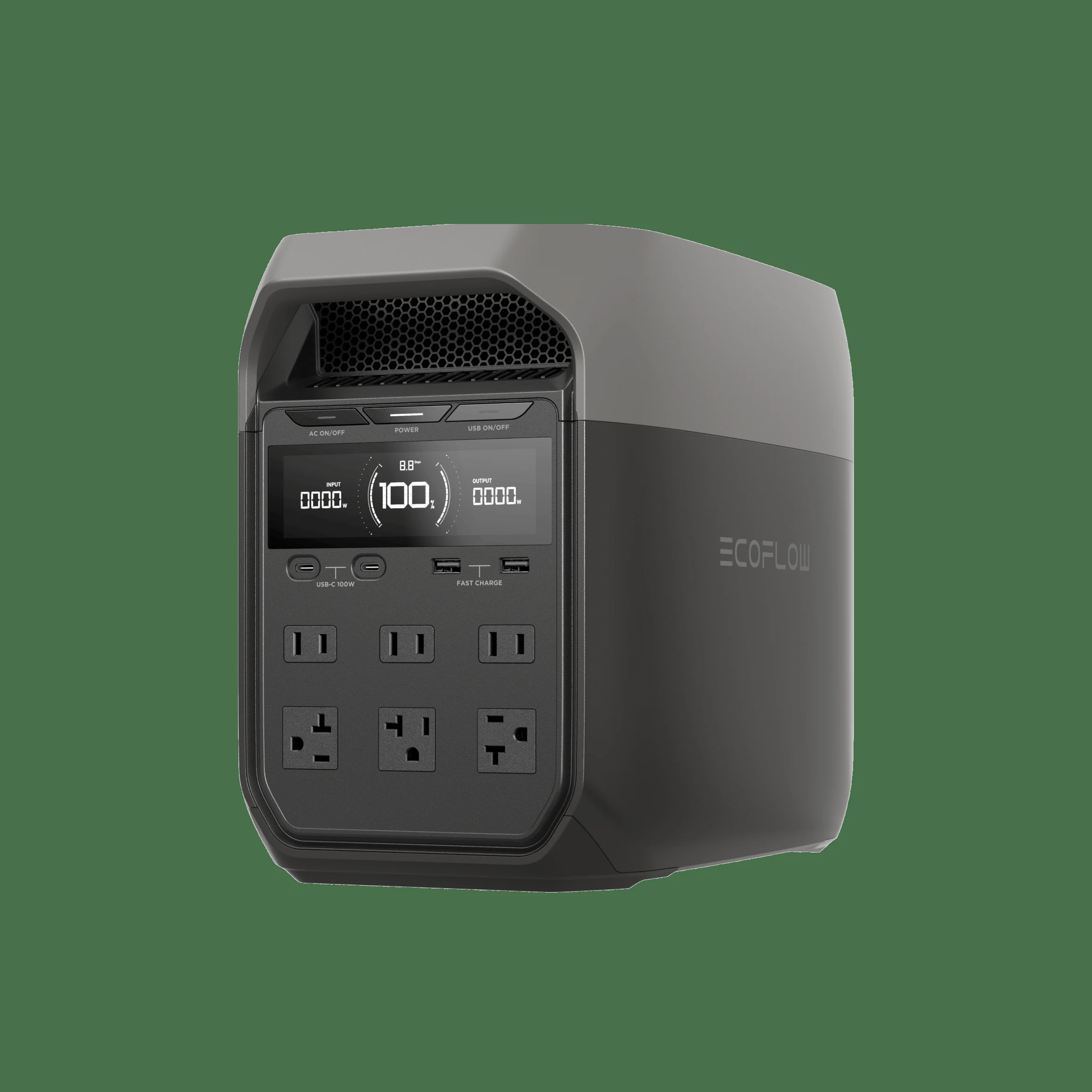
EF ECOFLOW DELTA 2
Budget home backup with 1,024Wh, 1,800W output, 50 minute charging, and a path to 3,072Wh. It covers a fridge, router, and lights through a typical outage, then grows later.
Full review →
Categories
CampingQuiet electricity for the campsite: lights, phones, a fan, and the coffee maker, without a generator's noiseHome backupWhen the grid drops, essentials stay on: fridge, router, lights in one room, phones charged, medical devicesEvents & on-siteRunning shows, shoots, food stalls, and vendor booths off the grid, with clean power and no fumesEmergency prepThe battery you want charged before the storm: communications, lighting, refrigeration, and medical devicesRV / off-gridHouse power that moves with you: 12-volt ecosystems, solar pairing, and batteries that charge from the12V & jump startThe 12-volt rescue: keeping vehicle accessories, lights, and small 12-volt systems alive when you are the onlyProducts
All power stationsCompare specsAferiyAllpowersAnker SOLIXBLUETTIEcoFlowGeyotoGoal ZeroGrowattJackeryRenogyYEAGULCHArticles
Residential vs Business Portable Power: How to Tell What You Actually NeedPortable Power for a Landscaping Company: Ditching the 200-Foot Extension CordPortable Power for a Food Truck That Wants to Plug In AnywhereRunning Job Site Power Without a GeneratorWhole Home Backup vs Appliance Backup: Pick the Right SizeHow Long Will a Power Station Run: A Practical Planning GuidePairing a Solar Panel for a Power Station: What to MatchPortable Power for Outdoor Events: Weddings and ReceptionsGuides
Portable Power for Camping: The Complete Guide to On-Site ElectricityPortable Power for Home Power Outages: A Real Backup Plan for the GridPortable Power for Events & On-Site Work: Running Shows, Shoots, and Stands Off the GridPortable Power for Emergencies: The Battery You Want Charged Before the StormPortable Power for Jump-Starting a Car & Vehicle PowerPortable Power for RV, Van Life & Off-Grid Living Compare AboutTrust
Affiliate Disclosure Privacy Policy Terms of UseThere is a size of power problem that a full AC station is simply too heavy for, and the GEYOTO C260 is shaped for it. It holds 256Wh of 12.8V lithium iron phosphate energy in a 3.64 pound body about the footprint of a travel mug, and the whole output side is USB, with three USB-C ports rated at 100W, 65W, and 15W plus two USB-A sockets at 22.5W each. That 100W port can fast charge a full size laptop or recharge the station itself from a capable wall brick. Because there are no household AC outlets and no inverter, the unit avoids the weight and the conversion losses that come with AC output, which is a real gain for phones, tablets, cameras, drones, and laptops. Refilling keeps the same USB first logic. The station charges over USB-C at up to 100W, and it can also take AC, solar, or vehicle input, so it tops up on a road trip, at a campsite, or from a small folding panel. Practical runtime is generous for its size, with a 60W laptop seeing roughly one full charge plus a little more, a phone getting fifteen to twenty recharges, and a drone battery bank refilling several times. GEYOTO backs the unit with a five year member warranty and a thirty day money back window, and the box ships without a wall charger, so keep a 100W brick in the bag. At 1.6 kilograms the C260 disappears into a daypack, an under seat bag, or a carry on, which is the core difference from the slightly heavier N300 that adds AC outlets. It suits photographers, festival campers, students, and remote workers whose load list is small devices only, and it doubles as a glovebox or desk drawer backup. Read the full review below, then check the current offer.
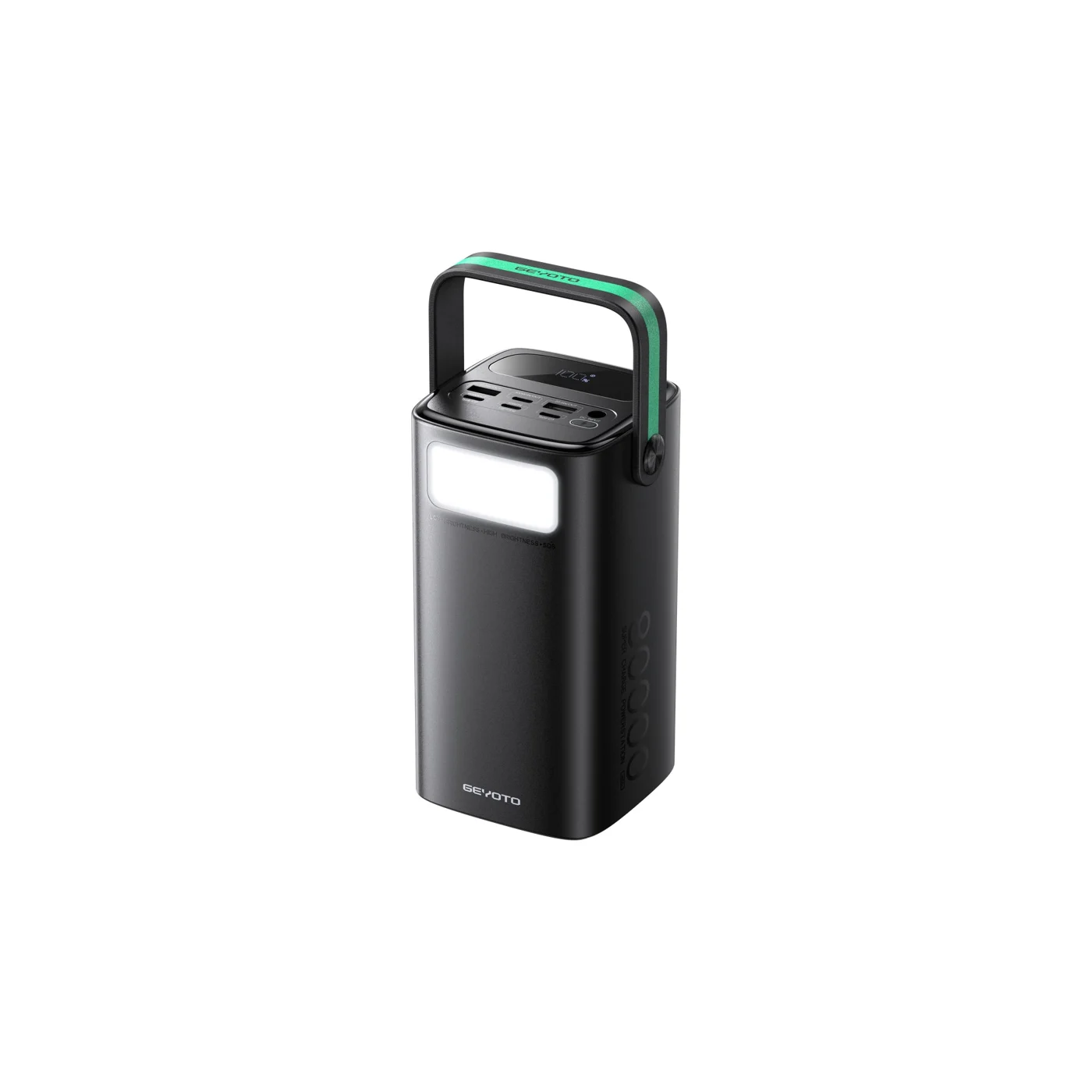
There is a size of power problem that a full AC station is overkill for: a laptop dying on a long flight, a phone flat at a festival, a camera bag that needs a top-up on a shoot. For that, a DC portable power station like the C260 is the right shape. It holds 256Wh of 12.8V LiFePO4 in a 3.64 lb body about the footprint of a travel mug, and the whole output side is USB.
**Why it is a DC portable power station rather than an AC one.** The five outputs are three USB-C ports at 100W, 65W, and 15W, plus two USB-A at 22.5W, and the 100W port fast-charges a MacBook-class laptop or recharges the unit itself from a capable wall brick. There are no AC outlets at all, which is the point: as 12V portable power for a laptop, phone, tablet, drone, or camera, it does not carry inverter overhead. Recharge comes over USB-C at up to 100W, or from AC, solar, or a car socket, so it refills on a road trip or from a small folding panel at a campsite.
Against the N300, the difference is a trade. The N300 at 7.72 lb adds two AC outlets and a 300W inverter for small appliances; the C260 gives all of that up for a body that disappears into a daypack or a carry-on. If the appliance list is empty and the weight budget is tight, the C260 is the better carry. If a small cooler or a 120V light matters, the N300 is the honest pick. Both are 256Wh of LiFePO4, so the battery side is a wash.
Practical runtime: a 60W laptop takes roughly one full charge plus change, a phone sees fifteen to twenty recharges, and a drone battery bank refills several times. For budget DC power for off-grid days it also doubles as a glovebox backup, and GEYOTO backs it with a 5-year member warranty and a 30-day money-back window. One planning note: the box ships without a wall charger.
As a DC portable power station for the smallest jobs, it is the lightest way into the GEYOTO line, and stock plus the current price sit on the GEYOTO store page.
There is a size of power problem that a full AC station is overkill for: a laptop dying on a long flight, a phone flat at a festival, a camera bag that needs a top up on a shoot. The C260 is built for that job, holding 256Wh of LiFePO4 in a 3.64 pound body about the footprint of a travel mug, with the entire output side on USB. For a reader whose load list is laptops, phones, tablets, cameras, and drones, it is the right shape because it carries no inverter overhead at all.
The 100W USB-C port is the quiet centerpiece. It fast charges a MacBook class laptop, and the same port refills the station itself from a capable wall brick at up to 100W. Two more USB-C ports at 65W and 15W plus two USB-A sockets at 22.5W let a whole group charge without a pile of adapters. When the device list is empty of 120V appliances, this is the easiest power you will ever pack.
The recharge paths are the time saver. USB-C at up to 100W refills the unit from a laptop brick, AC tops it at home, solar fills it at a campsite, and a car socket works on the road. Four ways to refill a 256Wh battery means it is rarely stuck waiting on a single source, and a small folding panel can keep it alive off grid without a station in the loop.
The weight is the second time saver. At 3.64 pounds the unit disappears into a daypack or a carry on, and a 60W laptop takes roughly one full charge plus change while a phone sees fifteen to twenty recharges. A power bank that light gets carried and used, while a heavier station stays home and gathers the dust that DC only devices never need.
This is a single fixed size in a pocket class, so the decision is whether 256Wh fits your device list rather than which tier to climb. Confirm the warranty before you buy, since the 5 year member coverage and the money back window are headline details, and check whether a wall charger is included or priced separately. Size for a laptop plus phones, and accept that a 120V appliance means a different class entirely.
This fits carry on travel, camping, day hikes, and emergency kits where the load list is phones, laptops, cameras, and drones. It suits a laptop user who flies often and a photographer who shoots off grid. It does not fit anyone who needs AC outlets, a small fridge, or a 120V light, because there are no AC sockets at all, and those buyers should look at a small inverter station instead.
How many phone charges does 256Wh actually give. A phone sees roughly fifteen to twenty full recharges, and a 60W laptop takes about one full charge plus change. Drone batteries refill several times over. Real numbers bend with cable efficiency and the device itself, but the order of magnitude is right for a weekend of DC only use.
Why are there no AC outlets. Because the DC only design removes inverter overhead, weight, and cost for a device list that never plugs into a wall. A 120V outlet would add an inverter, a fan, and bulk that a pocket class cannot spare. If the appliance list includes a small cooler or a 120V bulb, this is the wrong unit and a small inverter station is the honest buy.
What does not in the box mean for the first charge. The box ships without a wall charger, so the first refill needs a capable USB-C brick or a car cable. A 100W brick refills the unit fastest, but a 65W brick still works. Plan the brick before the trip rather than discovering it at the airport.
Against the N300 the C260 trades AC outlets for lightness. The N300 adds two AC outlets and a 300W inverter at 7.72 pounds for small appliances, while the C260 gives all of that up for a body that disappears into a daypack. If the appliance list is empty and the weight budget is tight, the C260 is the better carry, and if a small cooler matters, the N300 is the honest pick. Both are 256Wh of LiFePO4, so the battery side is a wash.
Against a generic power bank the C260 trades a larger body for a 100W port and a decade grade chemistry. A cheap bank is lighter per dollar but rarely offers a true 100W port that fills a laptop at full speed or a LiFePO4 pack rated for years of cycles. For a laptop carrier, that port is the whole argument.
A common mistake is buying this DC only unit for a 120V appliance and then wondering why it cannot run. There are no AC outlets at all, and no adapter will add one. Read the port list before you buy and match it to the device list, because the C260 is a USB power bank station rather than an AC power station.
A second mistake is forgetting the wall charger is not included. A traveler who arrives with a 15W brick will refill this station slowly and blame the unit for the brick. Pack a capable USB-C brick, ideally 65W or 100W, and the recharge speed will match the headline.
Get the most from this setup by pairing it with a small foldable panel for off grid days. Solar input through USB-C can top the battery during a camping lunch, turning a one day reserve into a whole trip. A 35W or 45W panel is enough for this class, and the pairing costs far less than a station sized solar array.
A second habit is keeping it in the bag you actually carry. A pocket station in a drawer at home does the same job as a larger station in the garage, which is none. Put the C260 in the daypack or the carry on and let the 3.64 pounds earn its place every week.
Store the battery at a mid range charge, top it up every few months, and keep it out of a hot car interior during summer heat. The LiFePO4 pack tolerates travel well, but a baking glovebox or a freezing trunk shortens the honest life of any battery, so a coat pocket in a temperate room is the right long term home.
Links open the official listing. Price, terms, and availability can change, so the live page is the source of truth.
Same situation, different option. Worth comparing before you decide.
Budget home backup with 1,024Wh, 1,800W output, 50 minute charging, and a path to 3,072Wh. It covers a fridge, router, and lights through a typical outage, then grows later.
Full review →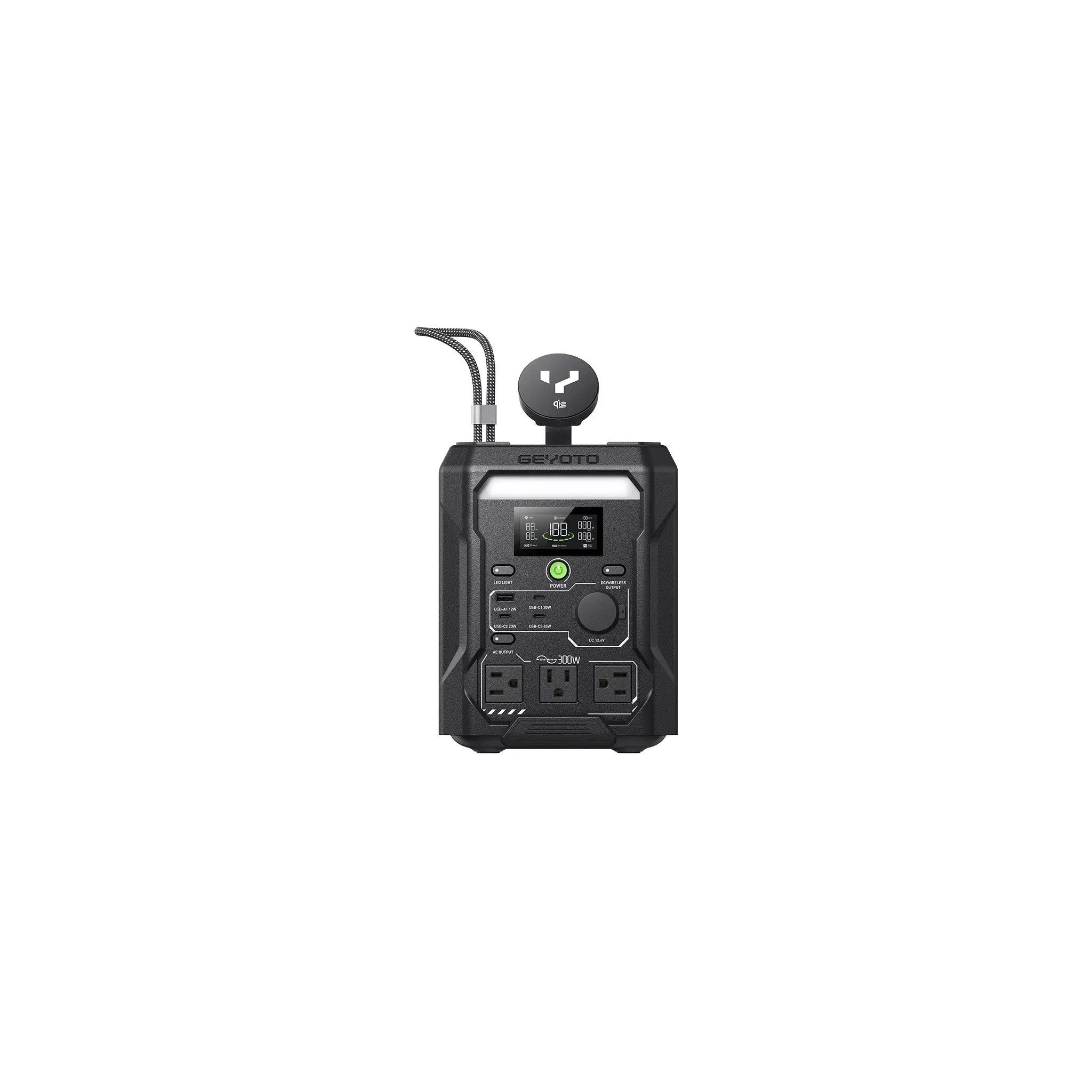
256Wh in 7.72 pounds with nine ports, a 300W inverter, and a wireless charging pad. A one bag travel station for laptops, phones, cameras, and a router through the night.
Full review →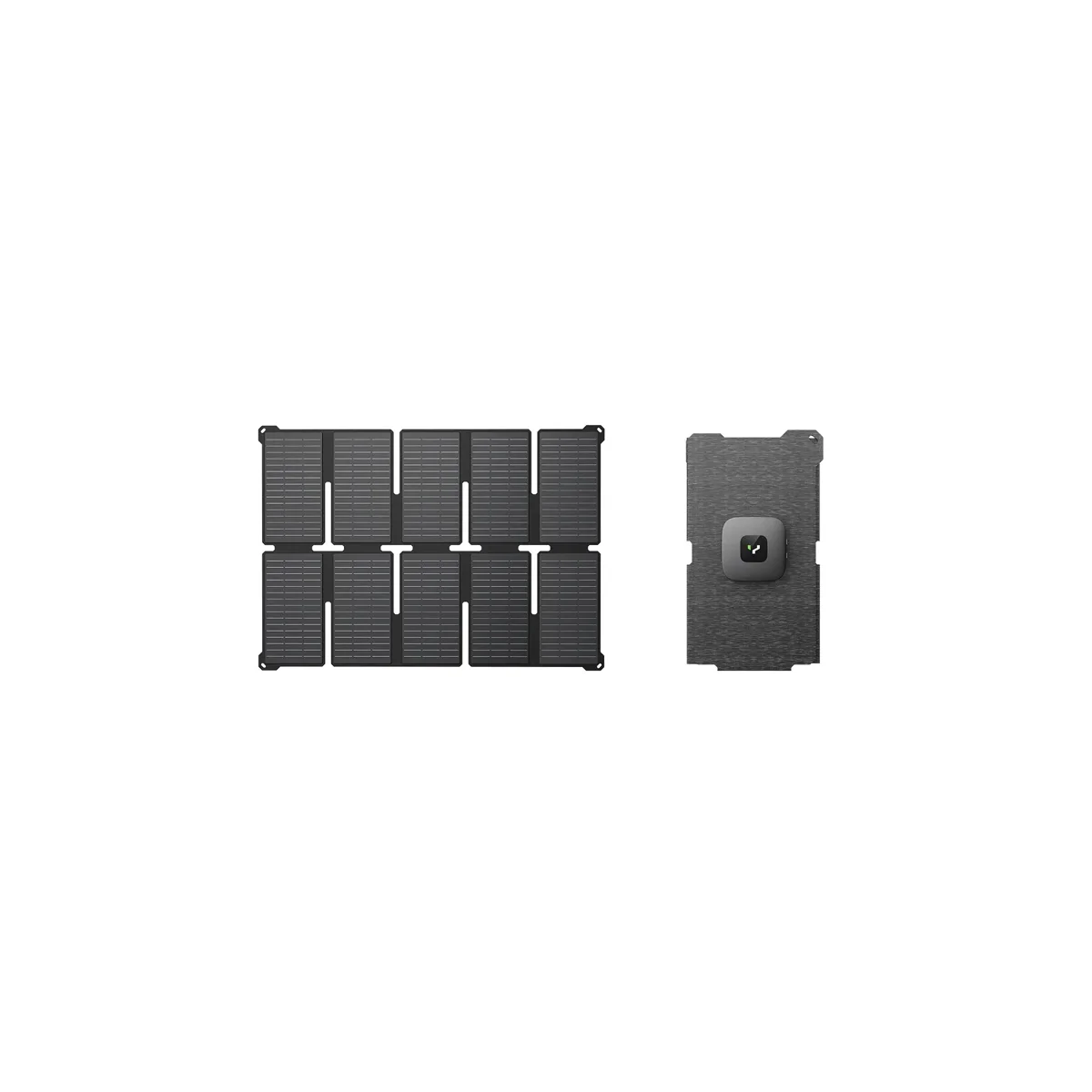
35W of direct solar charging in 1.54 pounds, folding small enough for a jacket pocket. It keeps a phone, earbuds, and a camera alive on the trail with no station in the loop.
Full review →