ecoflow
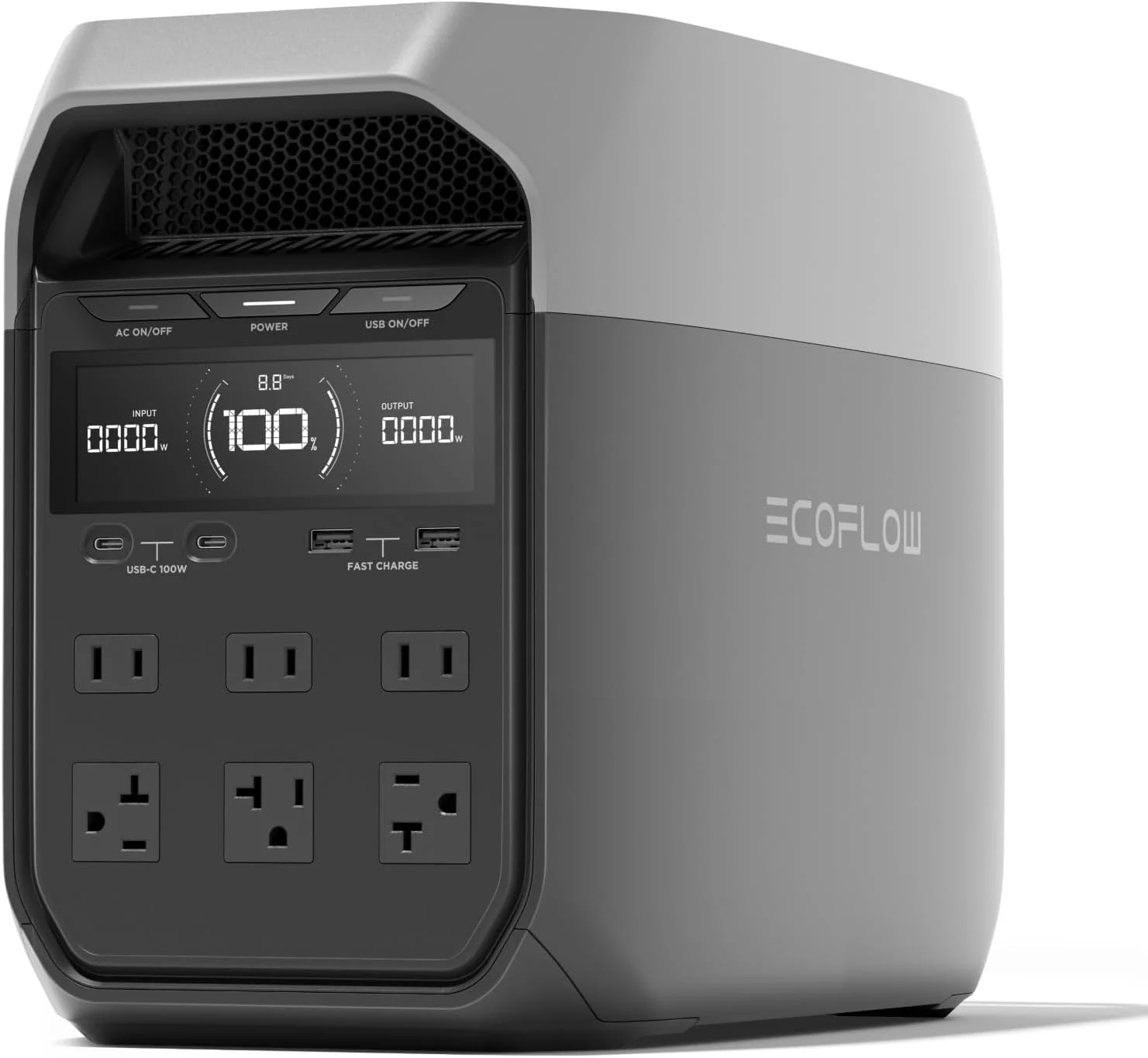
EF ECOFLOW DELTA 3
The fastest 1kWh charge in the line, a 4,000 cycle battery in an IP65 pack, and 27.6 pounds of one hand carry. It refills before the next outage and grows to 5,000Wh later.
Full review →
Categories
CampingQuiet electricity for the campsite: lights, phones, a fan, and the coffee maker, without a generator's noiseHome backupWhen the grid drops, essentials stay on: fridge, router, lights in one room, phones charged, medical devicesEvents & on-siteRunning shows, shoots, food stalls, and vendor booths off the grid, with clean power and no fumesEmergency prepThe battery you want charged before the storm: communications, lighting, refrigeration, and medical devicesRV / off-gridHouse power that moves with you: 12-volt ecosystems, solar pairing, and batteries that charge from the12V & jump startThe 12-volt rescue: keeping vehicle accessories, lights, and small 12-volt systems alive when you are the onlyProducts
All power stationsCompare specsAferiyAllpowersAnker SOLIXBLUETTIEcoFlowGeyotoGoal ZeroGrowattJackeryRenogyYEAGULCHArticles
Residential vs Business Portable Power: How to Tell What You Actually NeedPortable Power for a Landscaping Company: Ditching the 200-Foot Extension CordPortable Power for a Food Truck That Wants to Plug In AnywhereRunning Job Site Power Without a GeneratorWhole Home Backup vs Appliance Backup: Pick the Right SizeHow Long Will a Power Station Run: A Practical Planning GuidePairing a Solar Panel for a Power Station: What to MatchPortable Power for Outdoor Events: Weddings and ReceptionsGuides
Portable Power for Camping: The Complete Guide to On-Site ElectricityPortable Power for Home Power Outages: A Real Backup Plan for the GridPortable Power for Events & On-Site Work: Running Shows, Shoots, and Stands Off the GridPortable Power for Emergencies: The Battery You Want Charged Before the StormPortable Power for Jump-Starting a Car & Vehicle PowerPortable Power for RV, Van Life & Off-Grid Living Compare AboutTrust
Affiliate Disclosure Privacy Policy Terms of UseIf your day involves a full shift of laptop and camera work in the field, a small fridge through an off grid night, and a home backup that can also start a dead vehicle battery, the GEYOTO N1000 is built around that mixed workload. It stores 1,024Wh in an EV grade lithium iron phosphate pack that is UL 1973 certified, and drives a 1,800W inverter with 3,000W of surge from a 25.6 pound body that one person can carry. The cells are rated for more than 4,000 cycles to 80 percent, which places the battery in decade grade territory rather than disposable territory. The uninterrupted switchover deserves attention. It hands the load to battery in under ten milliseconds, so a router, a desktop, or a breathing machine never drops during a grid flicker, and an unsaved document on a laptop survives a brownout that would have closed other systems. A mains charge reaches 80 percent in 43 minutes, and solar input up to 800W lets a single midsize folding panel hold the charge through a camping day. That combination of fast mains charging and strong solar input is a genuine advantage at this price. The port list is wide and thoughtfully chosen. Four AC outlets feed household gear, four USB-C ports deliver 140W each under PD 3.1 for fast laptop charging, two USB-A ports cover older devices, a 126W vehicle port serves car loads, two 25W Qi2.2 wireless pads charge phones without cables, and a 12.6V 30 amp XT60 output can jump start a vehicle with a compatible cable. A window air conditioner, a full kitchen, or a large heater on high belongs with a 2kWh class, and a buyer who only needs phone top ups is better served by a 300 class unit. Read the full review below, then check the current offer.
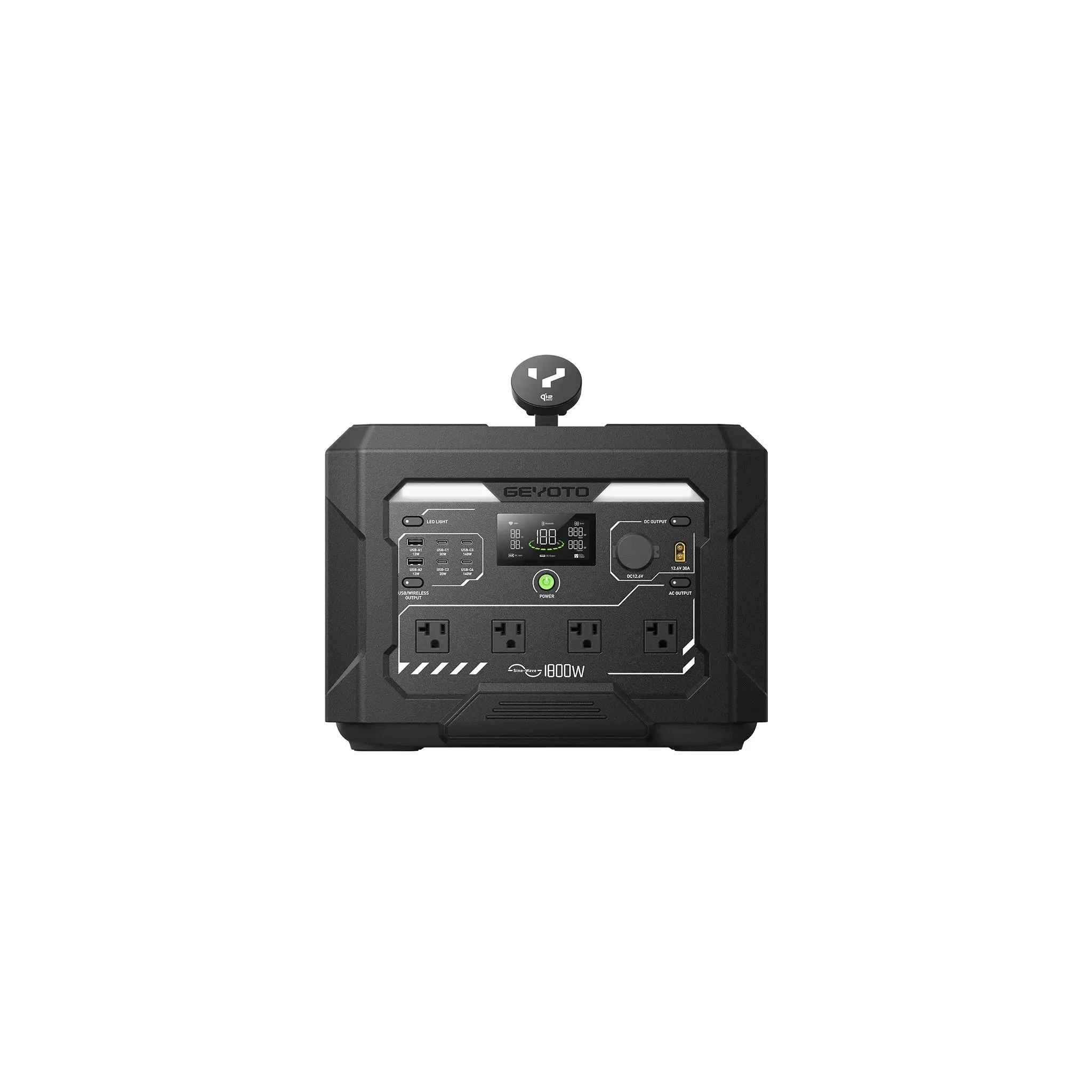
If the job is a full day of laptop and camera work in the field, a small fridge through a serious off-grid overnight, or a home backup that also jump-starts a dead battery, the N1000 is the portable power station under 1000 dollars built for exactly that workload. It stores 1,024Wh in an EV-grade, UL 1973-certified LiFePO4 pack and pushes a 1,800W inverter with 3,000W of surge, all in a 25.6 lb body that one person can actually carry.
**For an affordable home backup, the sub-10 millisecond UPS switch is the quiet differentiator.** When the grid flickers, a router, a desktop, or a CPAP machine never drops, because the transfer happens before anything notices. The same behavior saves an unsaved document on a laptop during a brownout, which is the difference between a backup and an interruption.
**As a portable power station under 1000, the recharge story is where it shows.** Zero to 80 percent takes 43 minutes from the wall, and up to 800W of solar input means a single mid-size folding panel can hold the charge through a camping day. The cells are rated for 4,000-plus cycles to 80 percent, which makes the battery a decade-grade component rather than a two-year one.
The port spread is the second reason it wins at this money. Four AC outlets, four USB-C ports each doing 140W over PD 3.1, two USB-A, a 126W car port, two 25W Qi2.2 wireless pads, and a 12.6V/30A XT60 output that jump-starts a vehicle with a compatible cable. That jump-start output is the feature most 1kWh stations at this price do not offer.
It is not the unit for running a window air-conditioner, a full kitchen, or a large space heater on high, and anyone planning that load should step to the 2kWh tier. A buyer who only needs phone and laptop top-ups is better served by a 300-class unit. Priced in the low-$400s, with the current listing holding the real number, it is the portable power station under 1000 for anyone who needs a full day of serious output without climbing into 2kWh territory.
If the job is a full day of laptop and camera work in the field, a small fridge through an off grid overnight, or a home backup that also jump starts a dead battery, the N1000 is built for exactly that workload. It stores 1,024Wh in an EV grade, UL 1973 certified LiFePO4 pack and pushes a 1,800W inverter with 3,000W of surge, all in a 25.6 pound body that one person can actually carry. For an affordable home backup, that combination of certified cells and portable weight is what the price class rarely delivers together.
The jump start output is the feature most 1kWh rivals do not offer at this money. A 12.6V 30 amp XT60 port jump starts a vehicle with a compatible cable, which turns a home backup into a roadside tool and a camp helper in one box. The sub 10 millisecond UPS switch is the other quiet differentiator: when the grid flickers, a router, a desktop, or a CPAP machine never drops, because the transfer happens before anything notices.
The recharge story is where the N1000 shows. Zero to 80 percent takes 43 minutes from the wall, and up to 800W of solar input means a single mid size folding panel can hold the charge through a camping day. During a rolling outage the unit is back to useful capacity before the next failure arrives, which is the difference between a backup and a one night loan.
The four 140W USB-C ports save time in the small device pile. Each port runs at 140W over PD 3.1, so two laptops and a pair of camera batteries can charge at full speed at once instead of queuing. That throughput matters for anyone whose work day is a laptop and a camera rather than a fridge.
This is a fixed capacity 1kWh tier with no external battery expansion, so the decision is whether 1,024Wh covers your list. Confirm the warranty before you buy, and check whether a solar panel is bundled or priced separately, because the kit math changes the effective price a great deal. Size for the fridge, router, and lights, and accept that a window air conditioner means stepping up to the 2kWh tier rather than stretching this inverter.
This fits a full day of field work, a small fridge overnight, RV and overlanding use, and home backup duty for a router, desktop, or CPAP. It suits a photographer, a remote worker, and a household that wants a jump starter in the same box. It does not fit a window air conditioner, a full kitchen, or a large space heater on high, and a buyer who only needs phone and laptop top ups is better served by a 300 class unit.
How does the jump start output work. A 12.6V 30 amp XT60 port feeds a jump start cable that can start a vehicle from the station's battery. It is a genuine roadside feature rather than a label, and it needs the compatible cable rather than a household plug. Keep the cable in the vehicle and the feature is ready instead of theoretical.
Will the UPS really keep a desktop session open. Yes, a sub 10 millisecond transfer is faster than any desktop power supply or router can detect, so the machine never reboots and the session stays open. That holds for the router and a CPAP as well. Plug the critical gear into the UPS sockets rather than the general outlets so the transfer is automatic.
How far does 1,024Wh go with a small fridge. A small fridge plus a router and lights stretches through a full night and into the morning, which is the job this class exists for. A full size fridge running all day plus a space heater is a 2kWh job. Add 800W of solar input and the single night reserve becomes a multi day system.
Against the N300 the N1000 trades lightness for a full day of capacity and a jump starter. The N300 is lighter and covers phones, a laptop, and a router overnight, but it cannot run a small fridge through a serious off grid night or jump a vehicle. The N1000 is the honest call when the list grows to fridge duty, projector use, or a jump start, and both sit in the same travel line.
Against 2kWh stations the N1000 trades capacity for carryability and price. A 2,048Wh unit doubles the runtime but costs far more, weighs far more, and rarely offers a jump start output. This station wins when the job is a full day of serious output without climbing into 2kWh territory, and it loses only when the load list grows into whole home duty.
A common mistake is running a window air conditioner or a full kitchen on this inverter. The 1,800W limit is honest, and the 3,000W surge only covers brief motor starts rather than sustained cooling loads. Keep the load list to fridge, router, lights, and the device pile, and use the jump starter as the reason to choose this tier rather than pushing it into 2kWh territory.
A second mistake is leaving the jump start cable in a drawer. The XT60 output is only a tool when the cable is in the vehicle. Keep the cable with the station and test the connection once at home, because a roadside jump is the wrong moment to learn the connector.
Get the most from this setup by pairing the 800W solar input with a mid size folding panel. A 200W panel can hold the battery near full through a bright camping day and turn a one night reserve into a multi day one. Test the layout at home so the storm day is execution rather than learning.
A second habit is using the wireless pads for the phones you never remember to plug in. Two 25W Qi2.2 pads on top of the station remove the forgotten cable problem for the whole household. A backup that keeps the phones alive in an outage is worth more than the wattage suggests.
Store the battery at a mid range charge, cycle it fully a couple of times a year, and keep the vents clear of dust so the cooling system holds up during fast charging. The 4,000 plus cycle UL 1973 certified design rewards a dry, temperate spot and a regular top up, and it punishes a battery left empty in a hot garage until the morning it is needed.
Links open the official listing. Price, terms, and availability can change, so the live page is the source of truth.
Same situation, different option. Worth comparing before you decide.
The fastest 1kWh charge in the line, a 4,000 cycle battery in an IP65 pack, and 27.6 pounds of one hand carry. It refills before the next outage and grows to 5,000Wh later.
Full review →
Anker 2kWh backup with a decade rated battery, four AC outlets, three USB-C ports, and a dedicated RV outlet. Familiar, quiet, and built to sit ready for a decade.
Full review →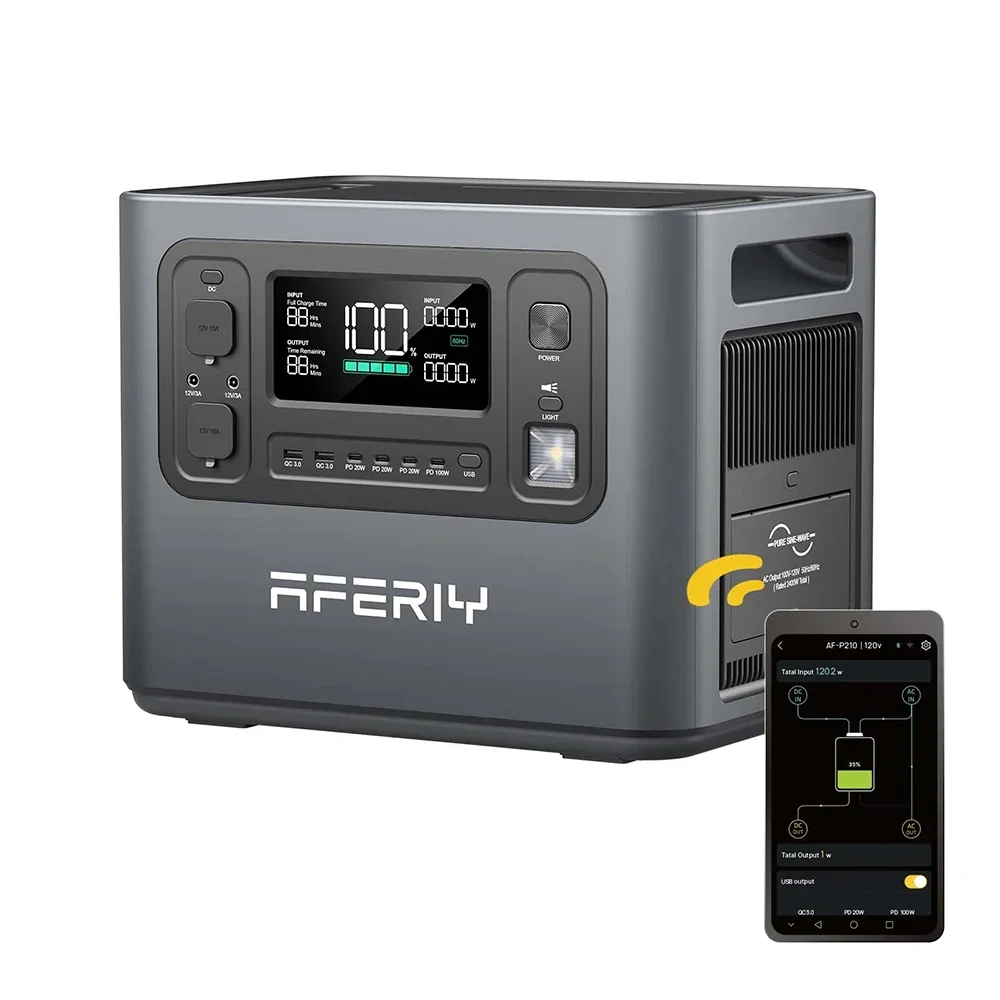
A 2kWh campsite station that doubles as your home UPS, with 4,800W of surge headroom, 16 ports, and a 7 year warranty. It keeps the site running on weekends and the house covered when the grid fails.
Full review →