bluetti
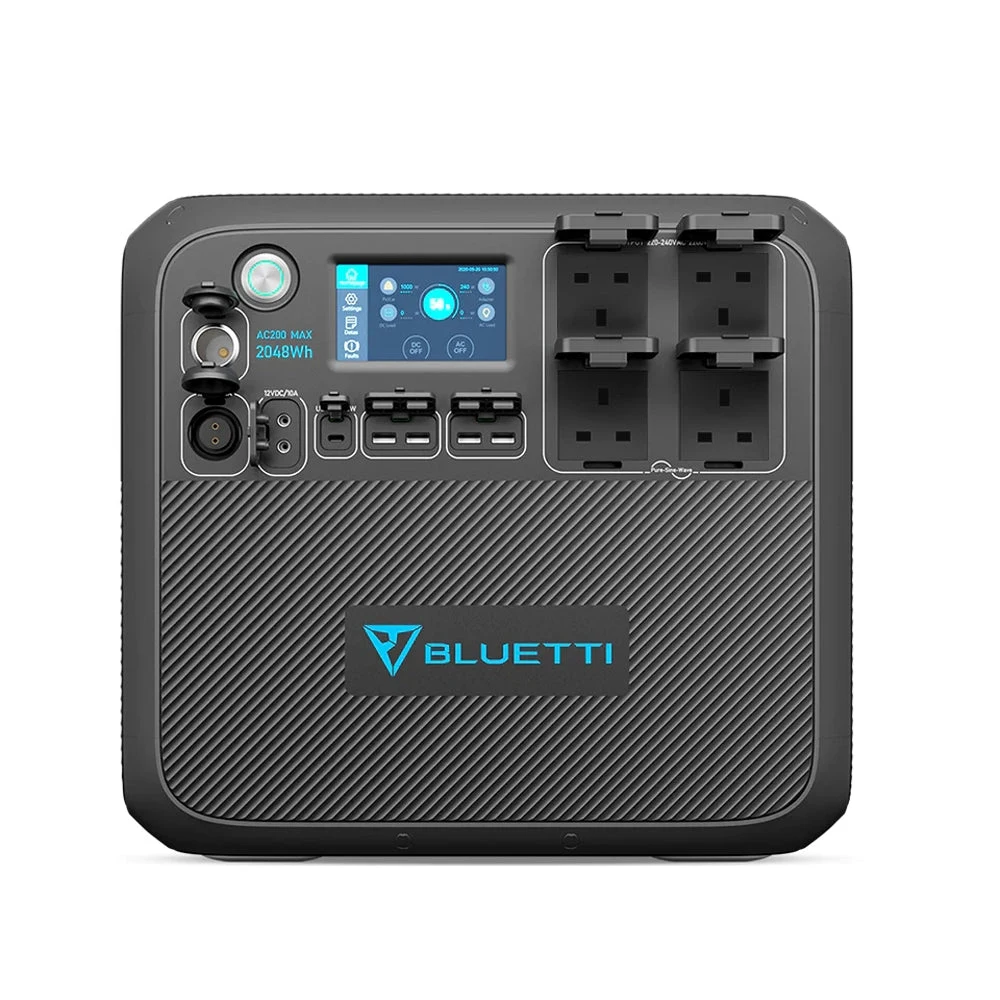
BLUETTI AC200MAX
Solar first backup with 900W input, 4,800W surge, and a path to 8,192Wh with three add on batteries. Built for multi day outages, RV shore power, and off grid cabins.
Full review →
Categories
CampingQuiet electricity for the campsite: lights, phones, a fan, and the coffee maker, without a generator's noiseHome backupWhen the grid drops, essentials stay on: fridge, router, lights in one room, phones charged, medical devicesEvents & on-siteRunning shows, shoots, food stalls, and vendor booths off the grid, with clean power and no fumesEmergency prepThe battery you want charged before the storm: communications, lighting, refrigeration, and medical devicesRV / off-gridHouse power that moves with you: 12-volt ecosystems, solar pairing, and batteries that charge from the12V & jump startThe 12-volt rescue: keeping vehicle accessories, lights, and small 12-volt systems alive when you are the onlyProducts
All power stationsCompare specsAferiyAllpowersAnker SOLIXBLUETTIEcoFlowGeyotoGoal ZeroGrowattJackeryRenogyYEAGULCHArticles
Residential vs Business Portable Power: How to Tell What You Actually NeedPortable Power for a Landscaping Company: Ditching the 200-Foot Extension CordPortable Power for a Food Truck That Wants to Plug In AnywhereRunning Job Site Power Without a GeneratorWhole Home Backup vs Appliance Backup: Pick the Right SizeHow Long Will a Power Station Run: A Practical Planning GuidePairing a Solar Panel for a Power Station: What to MatchPortable Power for Outdoor Events: Weddings and ReceptionsGuides
Portable Power for Camping: The Complete Guide to On-Site ElectricityPortable Power for Home Power Outages: A Real Backup Plan for the GridPortable Power for Events & On-Site Work: Running Shows, Shoots, and Stands Off the GridPortable Power for Emergencies: The Battery You Want Charged Before the StormPortable Power for Jump-Starting a Car & Vehicle PowerPortable Power for RV, Van Life & Off-Grid Living Compare AboutTrust
Affiliate Disclosure Privacy Policy Terms of UseWhen the grid fails for a night and you want to keep the fundamentals alive without hauling a 2kWh brick down the stairs, the ALLPOWERS P1800 is built for that smaller, urgent job. It holds 1,024Wh of lithium iron phosphate energy and feeds it through a 1,800W inverter with 3,600W of short term peak, a combination that covers a household fridge, a router, a few lights, and a laptop at once. In plain runtime terms, a modern fridge averaging near 150W once its compressor settles can ride on this station for roughly fifteen hours, and a rounded set of essentials can share the night and the next morning without rationing. A microwave can run for short stints, though a window air conditioner or a full kitchen run asks more than this class delivers, so honest load planning matters here. The appeal of this station is how quickly it comes back after a deep drain. A mains charge reaches about 80 percent in an hour, and a solar input rated up to 650W through the XT60 connection can work alongside the wall, shortening the wait further on bright days. ALLPOWERS rates the cells for more than 3,000 cycles while holding at least 70 percent of capacity, which supports years of occasional emergency use. A switchover under 10 milliseconds means a router or a desktop does not reboot during a flicker, and the Bluetooth plus Wi-Fi link to the phone app lets you check charge and output from indoors. At roughly 33 pounds, the P1800 is a genuine one person carry between garage, basement, vehicle, and campsite, which is a real advantage over heavier 2kWh rivals. It sits in ALLPOWERS long running solar lineup as the portable midsize option between compact travel units and full house systems. Choose it for overnight outages, weekend camping, and a car based backup kit where portability and fast refilling matter more than whole home endurance. Read the full review below, then check the current offer.
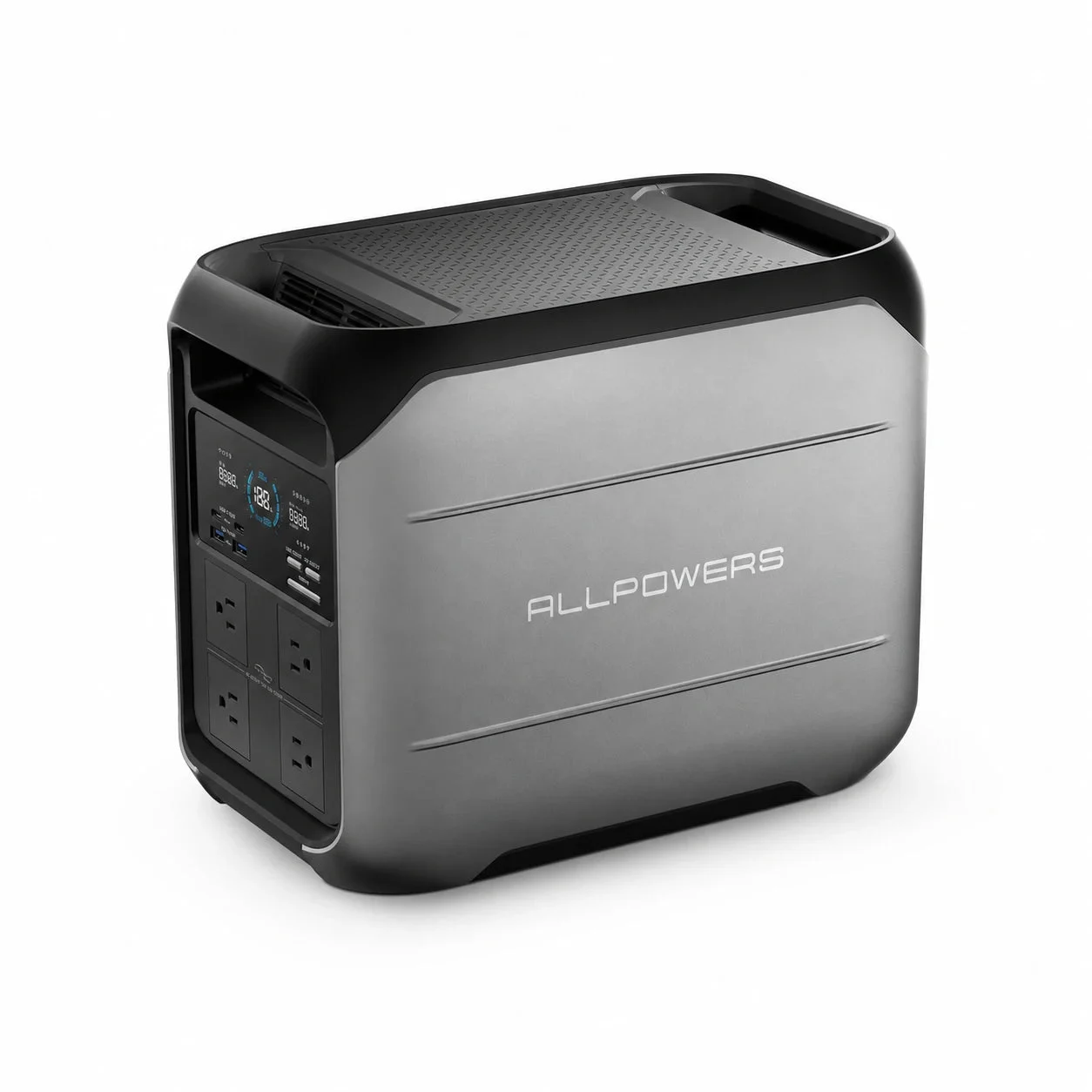
Most conversations about home backup power for outages start with the battery and end with a generator, and the ALLPOWERS P1800 sits in the gap between: a 1,024Wh LiFePO4 station with a 1,800W inverter (3,600W peak) that one person can carry, and a recharge speed that shrinks the downtime between outages to roughly an hour. That combination is the whole point of this station, and the rest of this page is about what it can actually keep running.
The arithmetic in plain words: a typical household refrigerator averages somewhere around 150W once the compressor settles, so a full P1800 holds roughly 15 hours of fridge-only duty, and the number falls toward a full day of combined essentials once the router, the LED lights, and a laptop join the load. That is a comfortable overnight-and-morning outage covered end to end. The 1,800W ceiling also handles a microwave in short bursts and most small kitchen appliances, while a window air conditioner or a full kitchen run is genuinely too much for this class. A reader who needs that output should step up to a 2kWh station instead of stretching this one.
**As a piece of home backup power for outages, the P1800's quiet strength is how fast it comes back.** A wall charge reaches 80 percent in about an hour, solar adds up to 650W of MPPT input on the XT60 port, and the two sources can run together to halve the wait. When power flickers rather than fails, the built-in UPS hands the load over in under 10 milliseconds, so a router or a desktop keeps running without a reboot. The cells carry a 3,000-plus cycle rating at 70 percent or better remaining capacity, and at about 33 pounds the unit moves between garage, basement, and vehicle without a dolly.
ALLPOWERS has spent well over a decade in the solar business, and the P1800 shows that maturity in the details rather than in the headline numbers. If your need is home backup power for outages that one person can carry, with the flexibility to use the same unit at a campsite on weekends, this station was designed to keep essentials running through the next weather event. The asking price changes with the market, so a quick look at the brand's current listing before you order is the only homework this purchase requires.
Most home backup advice jumps straight from a small power bank to a generator, skipping the middle where this station lives. The P1800 fills that gap with a 1,024Wh battery and enough inverter to run the loads that actually matter in an outage: the fridge cycling, the router staying up, lights on, and laptops charging. It covers the overnight and morning of a typical storm without the fuel, noise, and fumes of a combustion generator, which is why it belongs in a hallway closet rather than a shed.
The lightness changes how the station gets used. At about 33 pounds and with 3,000 plus cycle LiFePO4 cells, this is a unit you will actually move between the garage, the basement, and the trunk for a campsite weekend. A backup that lives where you can reach it and that you have tested on real camping loads is worth more than a larger station that stays bolted to the floor and untested until the one night it matters.
The recharge speed is where hours come back. A wall charge reaches 80 percent in about an hour, and the XT60 solar port accepts up to 650W through an MPPT controller, so a panel array can push charge in while the wall outlet does its own work. During a rolling outage with short restorations in between, the station is back to useful capacity before the next blackout arrives.
The three AC input modes, fast at 1,200W, standard at 800W, and silent at 500W, let you trade speed for noise depending on where the station sits. A living room recharge at night can run in silent mode while the unit tops up quietly, and a morning scramble before a storm can use fast mode. That control is a small thing that removes the annoyance factor from keeping a backup ready.
This is a fixed capacity 1kWh tier, so the shopping question is not how to expand but whether 1,024Wh covers your essential load list. Check the warranty terms carefully before you buy, because coverage length varies widely in this price class, and confirm that the solar cables and app are included rather than sold separately. Size for the fridge first, then the router and lights, and accept that a window air conditioner is beyond this tier.
This fits a household that needs essential power through a typical overnight outage, plus camping and RV use on weekends. It suits fridge and router duty, a laptop, and lights, with a microwave in short bursts. It does not fit a full kitchen, a window air conditioner, or a multi day outage without solar support, and those buyers should move up to a 2kWh station rather than stretching this one.
For how long will a full charge run a refrigerator. A typical household fridge averages around 150W once the compressor settles, which works out to roughly 15 hours of fridge only duty from a full P1800. Add a router, LED lights, and a laptop and the number falls toward a full day of combined essentials. That covers a normal storm, and a solar panel extends it through longer events.
What does the silent 500W charging mode cost you. It stretches the recharge from about an hour toward longer than two, which is the trade for running the fans at a level that will not bother a sleeping person. Use silent mode for overnight top ups and fast mode when the clock matters. The station gives you the choice, and the right answer depends on whether the outage is rolling or whether you have all night.
Will the UPS really keep a desktop alive. A sub 10 millisecond transfer is faster than any desktop power supply or router can detect, so the machine never reboots and the session stays open. That holds for the router and a CPAP as well. Plug the critical gear into the UPS sockets rather than the general outlets so the transfer is automatic.
Against heavier 1kWh rivals the P1800 trades a chunk of weight for recharge speed and app control. Units in the 45 to 50 pound range offer similar output but rarely match the one hour charge or the three input modes, and they punish anyone who tries to carry them to a car. If the station needs to move between floors and vehicles, the lighter build is the practical winner even with the same capacity.
Against cheaper 1kWh stations the P1800 trades a low sticker price for the 1,800W inverter and MPPT solar input. Budget rivals often pair 1kWh with a 1,000W or 1,200W inverter that cannot start a fridge compressor or run a microwave, which makes the headline capacity misleading. This unit's inverter ceiling is honest, and the 650W solar input means a panel can keep the battery working through a long day.
A common mistake is sizing for every appliance in the house instead of the essential list. A 1,024Wh battery is a rationing tool, and plugging in a space heater or a kettle on top of the fridge will drain it in an hour. Decide the outage load list in advance, write it on a card, and treat everything else as a luxury that waits for grid power.
A second mistake is charging only from solar and never testing the AC input modes. Solar is the campsite path, but the fast AC charge is the storm reset, and it deserves a trial run before the weather turns. Plug the station into the wall once, confirm the fast and silent modes, and make sure the app pairs with your phone while the sky is calm.
Get the most from this setup by pairing it with a modest foldable panel. A panel in the 100 to 200W range, matched to the 650W input ceiling, can hold the battery near full through a bright outage day and turn a one night reserve into a multi day one. Number the cables and test the XT60 connection at home so the outage day is assembly, not learning.
A second habit is using the silent mode to keep the station topped up in a living space. Because the battery ages with calendar time as well as cycles, a station that sits at a healthy mid charge and gets topped off gently will serve longer than one that is left empty in a shed. Store it where you can see the app level without thinking about it.
Keep the station at a mid range charge during storage, cycle it through a full charge and a partial discharge a couple of times a year, and keep the vents free of dust so the cooling system holds up in summer heat. The LiFePO4 cells tolerate years of standby well, but a hot shed or a freezing garage shortens the honest lifespan of any battery chemistry.
Links open the official listing. Price, terms, and availability can change, so the live page is the source of truth.
Same situation, different option. Worth comparing before you decide.
Solar first backup with 900W input, 4,800W surge, and a path to 8,192Wh with three add on batteries. Built for multi day outages, RV shore power, and off grid cabins.
Full review →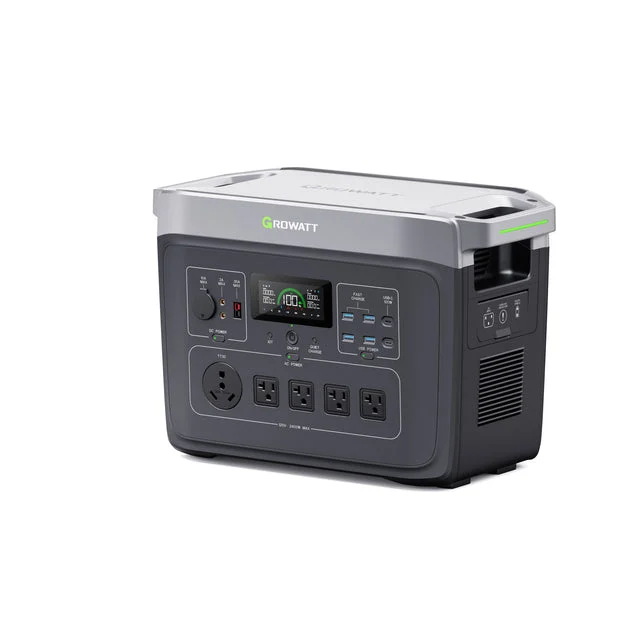
2,048Wh with under 15 millisecond emergency switching, minus 22 degree cold start, and expansion to 6,144Wh. A value 2kWh station that keeps the desktop, the router, and the fridge alive.
Full review →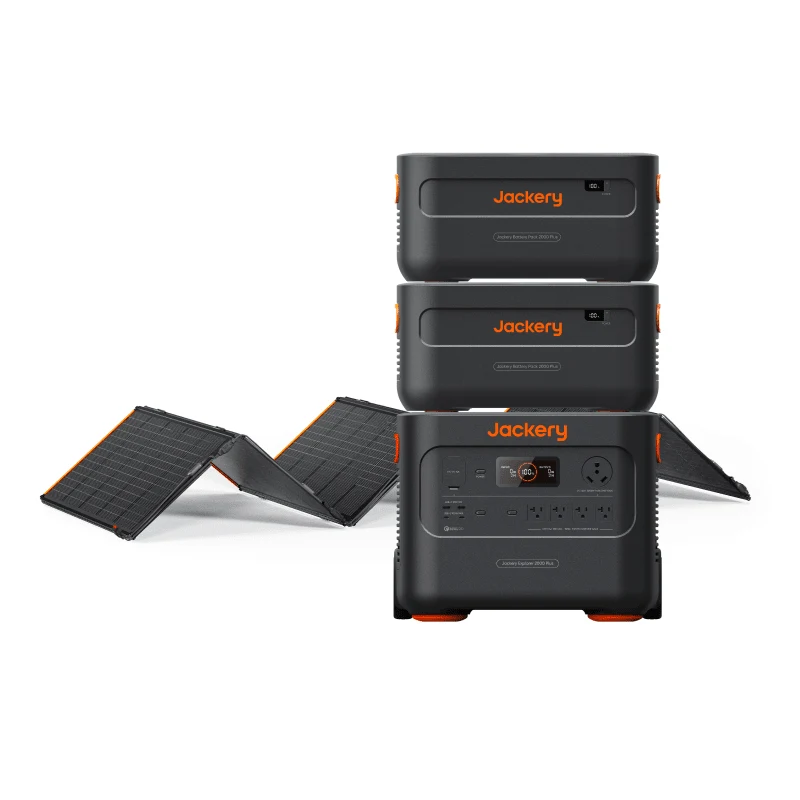
2,042Wh with 3,000W output and a 6,000W surge that runs a fridge, sump pump, router, and lights together. It scales toward 12kWh and is built for the worst case outage.
Full review →